
Cedar River and the Cedar Valley Nature Trail
2623 IA-150, Vinton, IA
Vinton, IA
A long rail-trail that follows the Cedar River through woods, prairie, and small towns, one of the first great rail-to-trail conversions in the country.
The Cedar Valley Nature Trail is one of Iowa's premier rail-trails, a long path that follows the Cedar River through the eastern part of the state, connecting the Cedar Rapids and Waterloo areas through a chain of small towns. Built on a former railroad grade, it was among the first rail-to-trail conversions in the nation, and it remains a favorite for cyclists and walkers seeking a long, level route through beautiful country.
Passing near Vinton and other river towns, the trail winds through hardwood timber, restored prairie, and farm fields, often within sight of the Cedar River itself. It offers a quiet, car-free way to experience the Cedar Valley, a landscape shaped by the river and the railroads that once ran beside it.
What Travelers Love
- Miles of level, easy trail on a converted railroad grade
- Riverside stretches beside the Cedar River, with woods and prairie
- Trailhead towns like Vinton where you can stop for a bite
- A route friendly to cyclists, walkers, and families alike
Worth Knowing
- The surface mixes paved and crushed-limestone sections, so check bike tires
- Services are spread out between towns, so carry water and snacks
- Spring and fall bring the best trail conditions and scenery
- The trail connects to other eastern Iowa routes for longer rides
Learn about Cedar River and the Cedar Valley Nature Trail
From railroad to rail-trail
The trail follows the grade of a former interurban and freight railroad that once linked the Cedar Valley's towns. When the line was abandoned, local advocates worked to convert it into a public trail, part of a national rail-to-trail movement that has turned thousands of miles of unused railbeds into recreation corridors. The Cedar Valley Nature Trail was among the early and influential examples of that idea.
Because it follows a railroad grade, the trail is remarkably level and gentle, ideal for long-distance cycling and easy walking. The old rail corridor also means the route passes through the hearts of the towns it connects, so riders can stop for food, water, or a look around before continuing along the river.
The Cedar River and its valley
The Cedar River is one of Iowa's major waterways, flowing from the north through the eastern part of the state on its way to join the Iowa River. Its valley is a broad, fertile corridor of woodland, prairie remnants, and farm fields, and the river itself supports fishing, paddling, and abundant wildlife along its banks.
The trail keeps company with the river for much of its length, offering glimpses of the water through the trees and stretches where the path runs close beside it. In spring the timber greens up and wildflowers bloom along the corridor, and in fall the hardwoods turn, making those the prime seasons for a ride through the valley.
River towns of the Cedar Valley
The trail threads through a series of small eastern Iowa towns, including Vinton, a county seat on the Cedar River with a historic downtown, and it links toward the larger cities of Cedar Rapids and Waterloo at either end. These towns grew up along the railroad and the river, and today they serve as trailheads and rest stops for the people who use the path.
Part of the pleasure of a long ride is watching the landscape shift from town to country and back again, the trail carrying you from a small-town main street out into the timber and prairie and on to the next town. It is a low-key, human-scale way to see the Cedar Valley, one river town at a time.
The land and its first peoples
The Cedar River valley is the ancestral homeland of the Meskwaki, the Sauk, and the Ioway, for whom the state is named, peoples who lived, hunted, and traveled along this river long before the railroads. Their descendants remain part of Iowa today, and the Meskwaki own their Settlement in the nearby Iowa River valley near Tama, land they purchased to remain in their homeland.
The river valleys of eastern Iowa were rich in game, fish, and timber, drawing Native peoples for thousands of years. The trail that now follows the old rail grade traces a corridor of human travel far older than the railroad, a reminder that the river has guided people through this country for a very long time.
Closest Boutels
The closest Boutel™ stays, so you can turn this stop into an overnight. Each is a place we chose through independent editorial review, never a paid placement.
Details
Vinton, IA
Frequently asked questions
What are the Cedar River and the Cedar Valley Nature Trail?
The Cedar River and the Cedar Valley Nature Trail run through east-central Iowa, where the scenic Cedar River winds through the region and a popular rail-trail follows part of the river valley between Cedar Rapids and the Waterloo and Cedar Falls area. The Cedar Valley Nature Trail, a long paved and crushed-stone path on a former railroad line, offers miles of walking, biking, and nature viewing through woodlands, prairies, farmland, and small towns along the river corridor. Together the river and trail invite paddling, cycling, and quiet nature outings. With its scenic river and long recreation trail, the Cedar River and Cedar Valley Nature Trail offer a rewarding outdoor destination in east-central Iowa.
What can you do on the Cedar Valley Nature Trail?
You can walk, run, bike, or in places ride the long rail-trail through woodlands, prairies, farmland, and small towns along the Cedar River valley, watch for birds and wildlife, enjoy the river scenery, and connect between towns like Cedar Rapids and the Waterloo and Cedar Falls area. On the river itself, you can paddle and fish. The long, gentle trail is ideal for cycling and easy walking. With its miles of scenic rail-trail and the Cedar River for paddling, the Cedar River and Cedar Valley Nature Trail offer a relaxing outdoor experience in east-central Iowa.
What safety tips apply on the Cedar River and Cedar Valley Nature Trail?
On the trail, share the path courteously with other walkers and cyclists, wear a helmet when biking, bring water and sun protection for the long, sometimes shadeless stretches, and watch for road crossings. On the Cedar River, always wear a life jacket when paddling or fishing, check water levels and conditions before you go, as the river can run high or fast after rain, and never enter flooded water. Being prepared for the trail and cautious of river conditions ensures a safe and enjoyable outing on the Cedar River and Cedar Valley Nature Trail in east-central Iowa.
When is the best time to visit the Cedar River and Cedar Valley Nature Trail?
Late spring through fall is the best time for biking, walking, and paddling, when the weather is mild and the river valley is green or, in autumn, colorful, with summer good for river recreation and fall especially beautiful along the trail, a favorite for cycling amid the color. River levels run highest and swiftest after spring rains. Winter is cold, though the trail may draw some hardy users. For the best combination of pleasant weather and scenery, aim for late spring through fall on the Cedar River and Cedar Valley Nature Trail in east-central Iowa.
What is near the Cedar River and the Cedar Valley Nature Trail?
The Cedar River and Cedar Valley Nature Trail run through east-central Iowa between Cedar Rapids, with the National Czech and Slovak Museum, and the Waterloo and Cedar Falls area, home to the Grout Museum District, within reach of the Amana Colonies, Palisades-Kepler State Park, and Lake Macbride State Park. That makes the Cedar River and Cedar Valley Nature Trail a scenic stop to combine with Cedar Rapids, the Grout Museum District, and the other attractions of east-central Iowa on a visit to the state.
Nearby
Lincoln Highway Heritage Byway
18 miles away
Iowa's stretch of the Lincoln Highway, America's first coast-to-coast road, laid out in 1913 and now a marked heritage byway.
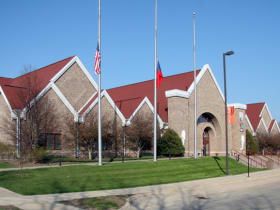
National Czech and Slovak Museum and Library
24 miles away
The National Czech and Slovak Museum and Library anchors the Czech Village district of Cedar Rapids, telling the story of the Czech and Slovak immigrants who shaped this city.
Grout Museum District
26 miles away
The Grout Museum District in Waterloo packs several museums into one visit.

Amana Colonies
30 miles away
The Amana Colonies are seven historic villages on the Iowa River west of Iowa City, founded in the 1850s by a German religious group that lived communally for nearly 80 years.