
Cape Kiwanda State Natural Area
Cape Kiwanda Dr
Pacific City, OR
A soft gold headland you can climb, a huge sand dune to run down, and flat-bottomed fishing boats launching straight off the beach into the surf.
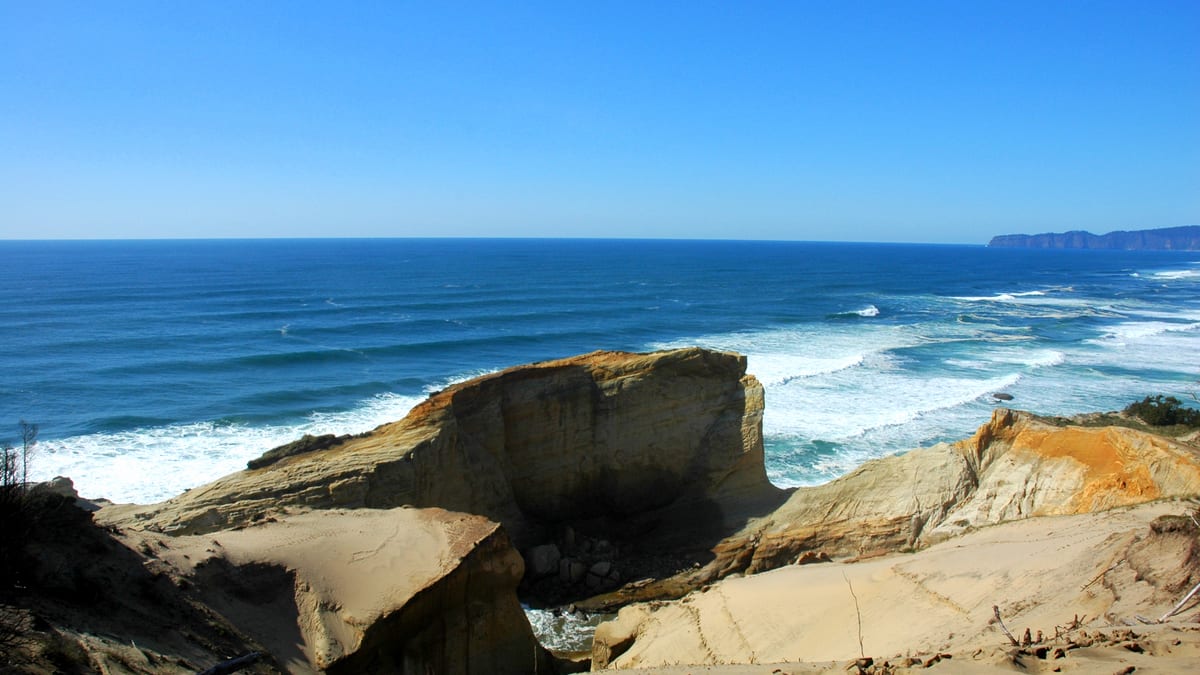
Cape Kiwanda is the friendly, golden one of Oregon's three great capes. Where Cape Lookout and Cape Meares are dark basalt cliffs, Kiwanda is soft sandstone the color of honey, a low headland you can actually walk out onto, streaked and swirled by the sea into arches, chasms, and little caves. Behind it rises a huge sand dune, and just offshore stands a 327-foot sea stack that locals call Haystack Rock, taller and farther out than the more famous one at Cannon Beach up the coast.
What really sets this beach apart floats right on the water. Pacific City is the last place in the American West where fishermen still launch flat-bottomed dory boats straight off the open sand, gunning the motor through the surf and, at the end of the day, riding a wave back in to slide up onto the beach. It is a working tradition more than a hundred years old, and watching it happen turns an already beautiful beach into something you will remember.
What Travelers Love
- Climbing the giant sand dune for a wide view of the ocean, the cape, and offshore Haystack Rock
- Watching the dory fishing boats launch and land right on the open beach, something you can see almost nowhere else
- The warm, glowing color of the sandstone headland, especially in late afternoon light
- Wide, walkable sand with tide pools, sea caves, and one of the most photographed coastlines in Oregon
Worth Knowing
- The headland itself is soft, crumbling sandstone with unfenced cliff edges and sneaker waves below, so stay well back from the edge and keep children close
- The big dune is a real workout, a steep climb up loose sand, so wear shoes you do not mind filling and take your time
- Parking fills fast on summer weekends and sunny evenings, so arriving early or late in the day is the easy move
- There is a small town of shops and food right at the beach, but bring water and sun protection for time out on the sand
Learn about Cape Kiwanda State Natural Area
A headland the sea carved out of sandstone
Most of the Oregon coast is armored in hard, dark volcanic rock, but Cape Kiwanda is made of much softer sandstone, laid down as ancient sea-bottom sand and then lifted up and left exposed. Because it is soft, the ocean has been able to sculpt it, and the result is a headland unlike any other on the shore: warm gold and rust-red cliffs swirled with layers, hollowed into sea caves, pierced by natural arches, and split by deep, narrow chasms where waves boom in and out.
A ridge of hard basalt along the north side once shielded the sandstone from the full force of the surf, which is part of why the cape survived at all. Even so, it keeps changing. Storms and big waves carve away at it every winter, and a well-known rock formation the sandstone once held has already collapsed into the sea. That softness is exactly what makes the cape so beautiful and also why the edges are dangerous, and why it is a place to admire more than to scramble around on.
The great dune and the view from the top
Rising behind the headland is the Great Dune, a tall hill of sand piled up over thousands of years on top of the older rock. Climbing it is the classic Cape Kiwanda thing to do, and it is honest work: the sand is loose and steep, so you take two steps up and slide one step back, and by the top your shoes are full. The reward is one of the finest views on the coast, a sweep of open Pacific, the colorful cape below, the dory boats coming and going, and the big sea stack standing alone offshore.
The dune is crowned with tough beach grass and a few wind-stunted spruce trees, and the loose sand on the ocean side makes for a fast, laughing run or roll back down. Families with kids tend to spend as much time on the dune as on the beach itself. From the top you can also look south across the mouth of the Nestucca River and north toward the dark cliffs of Cape Lookout, so the whole shape of this part of the coast lays itself out at once.
The last dory beach in the West
A dory is a flat-bottomed, shallow boat that can be launched right off the sand instead of from a harbor. Around the early 1900s, fishermen at Pacific City figured out that the relatively calm water in the lee of Cape Kiwanda let them run these boats straight into the surf, motor out past the sea stack to the fishing grounds, and then ride a wave back in and slide up onto the beach at the end of the day. It is believed to be the only place in the western United States where fishing is still done this way.
Pacific City is home port to a whole fleet of these boats, and on a good morning you can stand on the sand and watch them go, timing the swell, punching through the breakers, and roaring off toward the horizon. Landing is the real show: a boat surfs in on a wave, hits the beach at speed, and coasts up onto the sand. It is a living piece of Oregon coast history happening right in front of you, free to watch, and it turns a walk on the beach into a front-row seat.
Visiting Cape Kiwanda
Cape Kiwanda sits at the north end of Pacific City, reached off Highway 101 about a half hour south of Tillamook. Parking is right beside the beach, and from the lot it is a short walk across the sand to the base of the dune and the headland. There is no fee to be on the beach, and a cluster of shops and food sits right at the sand, which makes this an easy stop to fit into a coast drive.
Treat the sandstone headland with real respect. The rock is soft and crumbles, the cliff edges are unfenced, and the surf below can send up sudden, powerful sneaker waves, so the safe plan is to enjoy the cape from the beach and the dune rather than climbing out to the edges. Come early or late in the day and you get softer light, thinner crowds, and the best chance of catching the dory boats at work, which is when Cape Kiwanda is at its most magical.
Closest Boutels
The closest Boutel™ stays, so you can turn this stop into an overnight. Each is a place we chose through independent editorial review, never a paid placement.
Details
Pacific City, OR
Frequently asked questions
Is Cape Kiwanda safe, and why are there fences?
The fences at Cape Kiwanda are there for a serious reason and should never be crossed. Unlike the hard basalt of most Oregon capes, this headland is soft sandstone that can crumble and give way without warning, and people have fallen to their deaths after climbing past the safety barriers. Enjoy the views and photos from behind the fence line, keep children close, and do not venture onto the seaward cliffs, no matter how many footprints you see out there.
Can you climb the dune at Cape Kiwanda?
Yes, and it is one of the highlights. A large sand dune rises behind the beach, and climbing it is a steep, calf-burning workout rewarded with sweeping views of the cape, the ocean, and Haystack Rock offshore. Take your time, wear shoes you do not mind filling with sand, and know that the way down is a lot more fun than the way up.
How is this Haystack Rock different from the one at Cannon Beach?
They share a name but are different rocks on different beaches. Pacific City's Haystack Rock stands about a mile offshore from Cape Kiwanda and is actually taller than its more famous cousin at Cannon Beach, rising over three hundred feet from the water. You admire it from the beach and the dune here rather than walking up to it.
What is there to do at Cape Kiwanda?
Beyond climbing the dune and taking in Haystack Rock, this is the home of Pacific City's dory boats, flat-bottomed fishing boats that famously launch straight off the beach through the surf, an only-here sight if you catch them heading out. At low tide you can explore the rocks and soft sandstone at the base of the cape, where tide pools and fossils turn up, and the wide beach is good for a long walk.
When is the best time to visit Cape Kiwanda?
Summer brings the warmest, calmest weather and the best chance of seeing the dory boats, while low tide any time of year opens up the beach and the rocks at the base of the cape. Sunset here is spectacular, with Haystack Rock silhouetted offshore. Come dressed for wind and cooler coastal temperatures, and check a tide table if you want to explore the base of the headland.
Outside the Park

Bob Straub State Park
1.6 miles away
A wild three-mile sand spit with the open Pacific on one side and the quiet Nestucca River on the other, saved from becoming a highway.
Cascade Head: Coastal Prairie and Salmon Estuary
9.9 miles away
Cascade Head's coastal prairie hosts the rare Oregon silverspot butterfly, which depends on early blue violet plants found only in this type of native grassland.
Road's End State Recreation Area, Lincoln City
14 miles away
Road's End is the locals' beach in Lincoln City: no amenities, no services, just a rocky headland and a wide sand beach that's usually half-empty even in summer.
Tillamook Air Museum
16 miles away
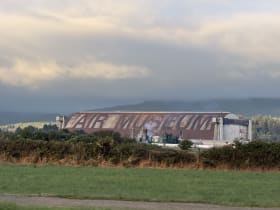
The blimp hangar itself is the attraction: it's so large that visitors report seeing clouds form inside on humid days.
Devil's Lake State Recreation Area
17 miles away
A large, sheltered freshwater lake right in the middle of Lincoln City, just off US 101 and a short walk from the beach, calm for paddling when the ocean is rough.