

Bighorn Canyon National Recreation Area
20 Hwy 14A E
Lovell, WY
A cold, deep-blue lake winding through a canyon nearly a thousand feet deep, with a herd of wild horses ranging the desert above.
Bighorn Canyon is one of the great overlooked landscapes of the northern Rockies. Over long ages the Bighorn River sawed a gorge nearly a thousand feet deep through folded layers of ancient rock, and in the 1960s the Yellowtail Dam backed the river up into Bighorn Lake, a slender reservoir that threads more than 70 miles up the canyon and across the state line into Montana.
The result is a place of startling contrasts: cold blue water at the bottom of sheer red and gray walls, dry badlands and sage flats above, and a herd of wild horses ranging the Pryor Mountains along the western edge. It is quiet, big, and a little wild, the kind of park you can have largely to yourself.
What Travelers Love
- The heart-stopping view straight down into the canyon from Devil Canyon Overlook
- A chance to spot the free-roaming Pryor Mountain wild horses
- Boating, fishing, and paddling on the long, quiet waters of Bighorn Lake
- Wide-open badlands and desert scenery with almost no crowds
Worth Knowing
- This is remote high desert, so carry water, fuel, and a full tank before heading out on the back roads
- Summer is hot and largely shadeless, while spring and fall are far more comfortable for hiking
- The wild horses are truly wild, so watch them from a distance and never feed or approach them
- The Wyoming south district and the Montana north district are not connected by road inside the park
Learn about Bighorn Canyon National Recreation Area
Devil Canyon Overlook
The signature view is from Devil Canyon Overlook, reached by the paved Bighorn Canyon road out of the south district. From the railed platform the canyon drops away almost a thousand feet to the lake, where the walls narrow and the water turns a deep, still blue far below.
The overlook sits where Devil Canyon joins the main gorge, and the layered cliffs read like a diagram of deep time. Swifts and swallows dart along the rock, and on a clear day the view stretches for miles across the folded country of the Bighorn Basin.
The Pryor Mountain wild horses
The western side of the recreation area overlaps the Pryor Mountain Wild Horse Range, one of the first federally protected wild horse ranges in the country. Its mustangs are thought to descend from old Spanish colonial stock, and many carry the primitive dun coloring and dorsal stripe of those early horses.
The horses range from the desert flats near Lovell up into the high Pryor Mountains, following the season and the forage. Sightings are never guaranteed, but the drive up the Bad Pass road and the trails near the state line offer a real chance to see them living free, and it is a moving thing to watch.
The lake and the river
Bighorn Lake is the center of life in the park in summer. Boaters, anglers, and paddlers launch from the marinas to fish for walleye, trout, and bass and to explore the shaded coves where the canyon walls rise straight from the water. Below the dam, the tailwater of the Bighorn River is famous among fly anglers.
This country has been home to Native peoples for thousands of years, and the Crow, whose reservation borders the recreation area to the north, hold the Bighorn and Pryor country as part of their traditional homeland. The Bad Pass Trail along the canyon rim was a travel route across the basin for many generations.
Visiting
The Wyoming south district is reached from Lovell, where a visitor center introduces the canyon, the wildlife, and the human history and offers maps and current conditions. From there the Bighorn Canyon road leads north to Horseshoe Bend on the lake and on to Devil Canyon Overlook.
Come prepared for empty country: services are few, distances are long, and summer heat is serious. Spring wildflowers and fall's cooler air make the finest seasons for hiking the desert trails and watching for horses and bighorn sheep along the way.
Closest Boutels
The closest Boutel™ stays, so you can turn this stop into an overnight. Each is a place we chose through independent editorial review, never a paid placement.
Details
Lovell, WY
Frequently asked questions
What is Bighorn Canyon National Recreation Area?
Bighorn Canyon National Recreation Area, spanning the border of north-central Wyoming and southern Montana, surrounds Bighorn Lake, a long reservoir on the Bighorn River set within a dramatic, deep canyon of towering, colorful rock walls. Created by a dam, the reservoir winds for miles through spectacular scenery, offering boating, fishing, and stunning overlooks, while the surrounding country features wildlife including wild horses in the nearby Pryor Mountains, historic ranches, hiking, and camping. The sheer canyon walls rising above the blue water are the signature sight. With its dramatic canyon, reservoir recreation, and wildlife, Bighorn Canyon offers a striking destination spanning northern Wyoming and southern Montana.
What can you do at Bighorn Canyon National Recreation Area?
You can boat, fish, kayak, and paddle on the long reservoir winding through the canyon, take in the spectacular canyon overlooks, hike the trails, camp at the campgrounds, watch for wildlife including bighorn sheep and the wild horses of the nearby Pryor Mountains, visit historic ranch sites, and swim in the warmer months. The dramatic views of the canyon walls above the water are unforgettable. Fishing and boating are especially popular. With its reservoir recreation, canyon overlooks, hiking, and wildlife, Bighorn Canyon National Recreation Area offers a rewarding outdoor experience spanning north-central Wyoming and southern Montana.
What safety tips apply at Bighorn Canyon?
The reservoir sits in a deep canyon where winds can quickly create hazardous waves on the water, so boaters and paddlers should wear life jackets, check the forecast, and stay alert to changing conditions, while the surrounding country is hot, dry desert and canyon terrain in summer, so carry plenty of water and sun protection. Stay back from the steep, crumbly canyon edges at overlooks, and keep children and pets close. Watch for wildlife and give animals space. Being prepared for the water, heat, and canyon edges ensures a safe visit to Bighorn Canyon National Recreation Area in northern Wyoming and southern Montana.
When is the best time to visit Bighorn Canyon National Recreation Area?
Late spring through early fall is the prime time for boating, fishing, and enjoying the reservoir and canyon, when the weather is warm and the water recreation is at its best, though summer can be very hot in the canyon country, so bring water and sun protection, while spring and fall offer milder temperatures and good wildlife viewing. Winter is cold and quiet. For the best combination of warm-weather water recreation and access, aim for late spring through early fall at Bighorn Canyon National Recreation Area in northern Wyoming and southern Montana.
What is near Bighorn Canyon National Recreation Area?
Bighorn Canyon National Recreation Area is in north-central Wyoming and southern Montana, near the town of Lovell, the Pryor Mountain Wild Horse Range, the Bighorn Mountains with the Medicine Wheel and Bighorn National Forest, and within reach of Cody to the west. That makes Bighorn Canyon a striking outdoor stop to combine with the Pryor Mountain wild horses, the Medicine Wheel, Bighorn National Forest, and the other attractions of north-central Wyoming on a visit to the state.
Nearby
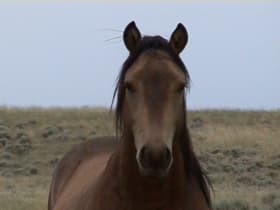
Pryor Mountain Wild Horse Range
18 miles away
The first public wild horse range in the United States, set aside in 1968 and home to a rare Spanish-descended mustang herd, including the descendants of the famous stallion Cloud.

Medicine Wheel National Historic Landmark
20 miles away
Medicine Wheel is a prehistoric stone circle 80 feet in diameter on a wind-scoured ridge at 9,642 feet in the Bighorn Mountains, reached by a 1.5-mile walk from a locked gate.

Little Bighorn Battlefield National Monument
40 miles away
This is a somber, powerful history stop that older kids often find unforgettable.