

American West Heritage Center
615 E 400 N, Wellsville, UT
Wellsville, UT
A working slice of frontier Cache Valley where blacksmiths, wagon teams, and a restored pioneer homestead bring the old West back to life.
The American West Heritage Center is a living-history site spread across farm ground in Utah's Cache Valley, where the story of the northern Utah frontier is told not on placards but by people in period dress actually doing the work. Blacksmiths hammer at a forge, a team of draft horses pulls a wagon along the lane, and a restored pioneer homestead stands as it might have in the middle 1800s.
Rather than one museum building, it is a collection of settings that trace the region across time, from a Native encampment and a mountain-man rendezvous to a pioneer farmstead. Costumed interpreters invite visitors to try the crafts and chores themselves, which makes it a favorite stop for families and a genuinely different way to understand how Cache Valley was settled.
What Travelers Love
- Watching heritage trades like blacksmithing, weaving, and hand milling done the old way
- Wagon and pony rides across the farm fields with the Wellsville Mountains behind them
- Meeting the sheep, cattle, chickens, and draft horses on the working farm
- Big seasonal festivals that fill the grounds with music, food, and mountain-man reenactors
Worth Knowing
- Much of the experience is outdoors on the farm, so dress for Cache Valley weather and wear closed shoes
- Programming is seasonal, with the fullest schedule in the warm months and special fall and holiday events
- The living-history area is family paced, with plenty of hands-on activities aimed at kids
- Check ahead before visiting, since which trades and demonstrations are running varies by day and season
Learn about American West Heritage Center
The valley the center remembers
Long before pioneers arrived, Cache Valley was home to the Northwestern Shoshone, whose bands wintered and gathered across this well-watered basin between the Bear River and Wellsville ranges. The Shoshone people remain in the region today, and their long presence in the valley is part of the history the center works to represent honestly rather than as a footnote to the pioneer story.
The valley took its name from the fur trappers who cached, or hid, their pelts here in the 1820s, gathering each summer for the raucous trading rendezvous that the center reenacts. Latter-day Saint settlers moved in beginning in the 1850s, laying out farm towns like Wellsville, and the homesteads, crafts, and farming methods on display trace how those families built a life out of the northern Utah ground.
A living-history farm, not a static museum
What sets the center apart is that the work is real. The forge is lit, the looms are strung, the fields are planted, and the animals are cared for, so a visit changes with the season and the day. In spring there may be lambs and planting, in fall a harvest, and throughout the warm months a rotating cast of heritage trades from candle dipping to Dutch-oven cooking.
Interpreters here aim to hand you the tools rather than simply talk at you. Children can card wool, grind grain, or take a turn at simple chores, and wagon and pony rides carry visitors out across the farm. It is the kind of place where a family can spend a slow afternoon and leave with a real sense of the daily labor that settlement demanded.
Festivals through the year
The center is best known for its seasonal festivals, when the whole grounds come alive. Summer brings a large frontier and mountain-man gathering with black-powder demonstrations, traders' rows, and period music, and other warm-weather events fold in pioneer games, food, and craft.
Autumn is a signature season, with a harvest and Halloween celebration that turns the farm into a corn maze, pumpkin patch, and haunted-woods experience, and the holidays bring their own candlelit programming. Because the schedule shifts year to year, it is worth checking what festival lines up with your visit.
The setting and its wildlife
The farm lies against the base of the Wellsville Mountains, one of the steepest small ranges in the country and a famous autumn flyway where thousands of migrating hawks, eagles, and falcons stream south along the ridgeline each fall. The open fields and hedgerows around the center draw songbirds, meadowlarks, and the occasional deer down from the foothills.
Cache Valley's four clear seasons shape every visit: green and busy with lambing in spring, warm and full of festivals in summer, gold and harvest-minded in fall, and quiet under snow in winter. On a clear day the mountain wall behind the farm makes even a short stop feel like a step out of the modern valley.
Closest Boutels
The closest Boutel™ stays, so you can turn this stop into an overnight. Each is a place we chose through independent editorial review, never a paid placement.
Details
Wellsville, UT
Frequently asked questions
What is the American West Heritage Center?
The American West Heritage Center, near Logan in northern Utah's Cache Valley, is a living-history farm and heritage site that brings the frontier and pioneer era of roughly 1820 to 1920 to life. Across a historic farm, a mountain-man encampment, a Native American area, and more, costumed interpreters and hands-on activities recreate the daily life and skills of the Old West. It is an engaging, immersive destination that turns regional history into a fun, interactive experience for all ages.
What can you do at the American West Heritage Center?
You can explore the historic farm with its animals and costumed interpreters, take wagon or pony rides, watch demonstrations of pioneer crafts and frontier skills, and experience recreated encampments. The center is especially known for its festivals, including a beloved spring Baby Animal Days, a summer Mountain Man Rendezvous, and a fall harvest celebration with a corn maze and seasonal fun. These events are the biggest draws and offer the fullest, liveliest experience.
When is the best time to visit the American West Heritage Center?
Spring through fall is the main season, timed to the farm activities and the center's signature festivals, so the best time often depends on which event you want to catch, from baby animals in spring to the harvest festival in fall. Because much of the experience revolves around these seasonal events and daily programming, checking the current calendar before you go helps you plan a visit around the activities that interest you most.
Is the American West Heritage Center good for families?
Very much so. The hands-on activities, farm animals, wagon and pony rides, and interactive demonstrations make history tangible and fun for children, while adults enjoy the authentic pioneer and frontier interpretation. The seasonal festivals in particular are geared toward family fun. It is an enriching, active outing that lets kids and grown-ups alike step into the Old West, making it a standout family destination in the Cache Valley.
What is near the American West Heritage Center?
The center sits in scenic Cache Valley near the college town of Logan, close to the beautiful Logan Canyon Scenic Byway, which leads to turquoise Bear Lake, and to the elk of Hardware Ranch in winter. The valley offers historic charm, dining, and outdoor recreation. That makes the heritage center an easy and rewarding stop on a broader exploration of northern Utah's scenery, history, and small-town appeal.
Nearby
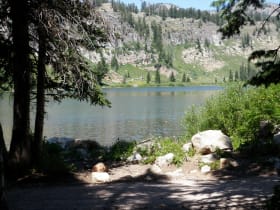
Logan Canyon Scenic Byway
9.1 miles away
Logan Canyon is a dramatic limestone canyon carved by the Logan River, one of the most scenic mountain drives in northern Utah.

Bear River Migratory Bird Refuge
18 miles away
The Bear River Migratory Bird Refuge sits at the north end of the Great Salt Lake where the Bear River delta creates a freshwater marsh within the hypersaline lake system.
Hardware Ranch Wildlife Management Area
19 miles away
Hardware Ranch is a state wildlife management area in Blacksmith Fork Canyon where 600-700 wild elk concentrate in winter to eat hay provided by wildlife managers.
Inspiration Point
19 miles away
Willard Bay State Park sits on a freshwater impoundment on the east shore of the Great Salt Lake north of Ogden.
Willard Bay State Park
20 miles away
Willard Bay is a freshwater bay separated from the Great Salt Lake by a 5-mile dike. It's an anomaly - fresh water surrounded by salt desert.