
Yuma Territorial Prison State Historic Park
100 N Prison Hill Blk Rd, Yuma, AZ
Yuma, AZ
The grim stone cells and iron gates of a notorious frontier prison on a bluff above the Colorado River, once feared across the Arizona Territory as the Hellhole.
Yuma Territorial Prison was one of the most infamous places in the Old West, a frontier lockup that opened in 1876 on a bluff above the Colorado River and housed some of the Arizona Territory's most notorious offenders until it closed in 1909. Newspapers of the day called it the Hellhole, a name that stuck, though the prison was in fact relatively modern for its time. Today its surviving cellblocks, guard tower, and grounds form a state historic park that vividly preserves the harsh world of frontier justice.
Visitors can walk into the original stone-and-iron cells where prisoners were held several to a cramped room, peer into the punishing dark cell cut into the rock, and climb the main guard tower for a sweeping view over the river. A museum tells the stories of the men and women who did time here, an unexpectedly varied cast that ranged from stagecoach robbers and murderers to polygamists and those jailed simply for being poor or defiant. It is a place both grim and fascinating, one of Arizona's most memorable historic sites.
What Travelers Love
- Stepping inside the original stone-and-iron cellblocks and the fearsome dark cell
- Climbing the main guard tower for a view over the river and the town
- The vivid, often surprising stories of the prisoners who did time here
- The dramatic setting on a bluff above the Colorado River
Worth Knowing
- The summer heat in Yuma is extreme, so visit in the cooler months or early in the day
- The site is a preserved ruin with exposed stone and metal that gets very hot in the sun, so bring water
- The museum and cells tell a serious history of punishment and hardship, worth reading slowly
- Pair a visit with the nearby Colorado River State Historic Park and Yuma's historic downtown
Learn about Yuma Territorial Prison State Historic Park
A prison built by its first prisoners
This corner of the Colorado River had long been a crossing and gathering place for the Quechan people, whose homeland lies along the lower river and who remain here today as the Quechan Tribe, and for other native peoples of the region. In the era of American settlement, Yuma became a key river port, where steamboats coming up from the Gulf of California met wagon roads heading inland, and the site on the bluff was chosen for a territorial prison.
The prison opened in 1876, and in a telling touch, the first seven inmates built their own cells. Over the following decades more than three thousand prisoners passed through, held in cramped stone cells fitted with iron cages, in a hot and difficult climate. The worst punishment was the dark cell, a lightless chamber cut into the rock where troublesome inmates were confined in solitary darkness. For all its fearsome reputation, the prison actually had, for its day, notable amenities, and it closed in 1909 when it outgrew its cramped hilltop site and a new prison was built at Florence.
Inside the cells
Walking the grounds today, visitors enter the surviving cellblocks, low ranges of stone cells fronted with iron grating, where several men shared each small, hot room. The scale and starkness of the cells convey the hardship of imprisonment on the desert frontier far better than any description. Nearby is the dark cell, the solitary-confinement chamber hollowed from the rock, a place whose oppressive darkness lingers with everyone who steps inside.
The main guard tower rises over the site, and climbing it rewards visitors with a fine view over the Colorado River, the town of Yuma, and the surrounding desert, the same commanding vantage the guards once used. Around the grounds lie the prison cemetery and the remains of other buildings, each adding to the picture of a self-contained frontier institution perched above the river.
The stories the museum tells
The museum on the site is what brings the place to life, gathering the records, photographs, and belongings of the prisoners into a rich and often surprising human story. The inmates were a varied lot, and their crimes ranged from murder and robbery to offenses that seem strange or unjust today. Among the best-known was a woman named Pearl Hart, jailed for a stagecoach robbery, whose case drew wide attention in the newspapers of the era.
The exhibits also puzzle over the prison's contradictions. For its time it was relatively progressive, with a library, a school where inmates could learn to read, and even electric power and ventilation ahead of much of the surrounding territory, so much so that locals sometimes resentfully called it the country club on the Colorado. Yet the heat, the crowding, the dark cell, and the harshness of frontier incarceration were real. Reading the individual stories, of escape attempts, of illness, of the varied lives that led people here, is the heart of a visit.
The river, the town, and the seasons
The prison sits at the heart of Yuma's historic riverfront, and a visit pairs naturally with the nearby Colorado River State Historic Park, which preserves the old army quartermaster depot that supplied forts across the territory by steamboat and wagon, and with the walkable historic downtown. The Colorado River itself, once a busy artery of steamboats, still flows below the bluff, greening the desert with the farms and date groves that made Yuma an agricultural center.
Season matters greatly here, for Yuma is one of the hottest and sunniest places in the country. Summer brings punishing heat that makes touring the exposed stone site uncomfortable, so the prime months run from fall through spring, when the low desert is mild and pleasant. In winter, Yuma fills with visitors escaping colder climates, and the comfortable days are perfect for exploring the prison, the river parks, and the town. Whenever you come, the combination of grim history and dramatic riverside setting makes the Yuma Territorial Prison an unforgettable stop.
Closest Boutels
The closest Boutel™ stays, so you can turn this stop into an overnight. Each is a place we chose through independent editorial review, never a paid placement.
Details
Yuma, AZ
Frequently asked questions
What is Yuma Territorial Prison State Historic Park?
Yuma Territorial Prison State Historic Park preserves the notorious frontier prison that operated in Yuma, Arizona, from 1876 into the early 1900s, once holding some of the Old West's most hardened criminals. Perched above the Colorado River, the site retains original cell blocks, the main gate, guard tower, and the dreaded dark cell, along with a museum full of artifacts and prisoner stories. Infamous in legend and film, the prison offers a fascinating and sobering look at frontier justice, punishment, and daily life behind its stone-and-adobe walls.
What can you see at the Yuma Territorial Prison?
You can walk through the original cell blocks and peer into the cramped cells, see the imposing main gate and guard tower, visit the notorious dark cell used for solitary punishment, and explore a museum filled with photographs, artifacts, prisoner records, and stories of the inmates and their crimes. Interpretive exhibits explain daily life, escapes, and the prison's surprisingly progressive features for its time. The combination of authentic structures and vivid history makes for an engaging and atmospheric visit into the Old West's harsh justice system.
Why was the Yuma Territorial Prison so notorious?
The prison earned its fearsome reputation from its harsh desert location, sweltering heat, and strict conditions, including the infamous dark cell where troublesome inmates were confined in darkness, which prisoners dreaded. It housed hundreds of convicts, including famous outlaws, over its roughly three decades of operation. Despite the grim legend, the prison was actually considered fairly modern for its era, with amenities unusual at the time. Its combination of tough conditions, colorful inmates, and Old West drama made it legendary in history and popular culture.
When is the best time to visit the Yuma Territorial Prison?
The cooler months from fall through spring are by far the most comfortable, since Yuma is one of the hottest places in the country and summer heat is extreme, making the exposed prison grounds punishing then, so if visiting in summer, go early and bring plenty of water and sun protection. Mornings are best in warm weather. A visit takes a couple of hours. Checking current hours before you go is wise. The mild winter months are especially pleasant for exploring this historic desert site.
What is near the Yuma Territorial Prison?
The prison is in Yuma, in the far southwestern corner of Arizona along the Colorado River near the California and Mexico borders, close to the Colorado River State Historic Park, the historic downtown, and the river itself, with the desert wildlife refuges and Organ Pipe Cactus National Monument within the broader region. That makes the Yuma Territorial Prison a fascinating historical stop to combine with Yuma's other heritage sites, the Colorado River, and the desert attractions of far southwestern Arizona.
Outside the Park
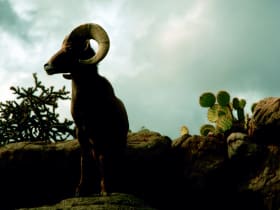
Kofa National Wildlife Refuge
53 miles away
The Kofa Mountains rise 4,000 feet from the Sonoran Desert floor in a 665,000-acre wildlife refuge.
Salvation Mountain
62 miles away
Salvation Mountain is a three-story adobe and paint sculpture built by Leonard Knight starting in 1985 on the slope of a small desert hill near the Salton Sea.