
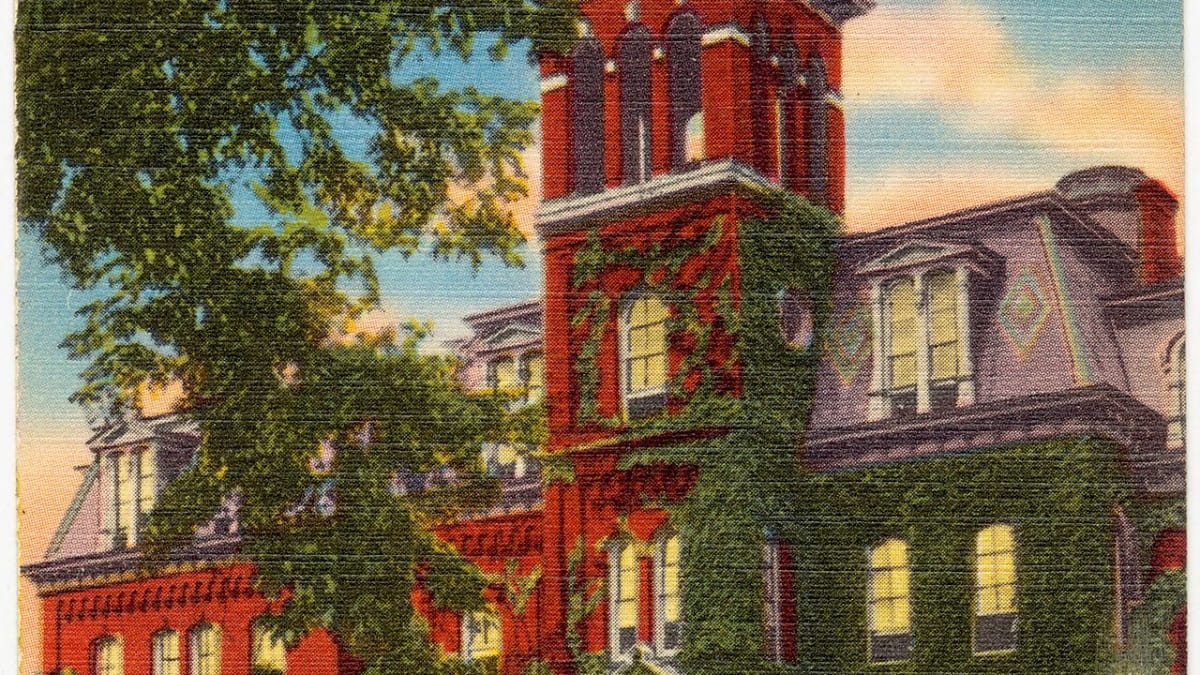
Woodburn Hall
1515 University Ave, Morgantown, WV
Morgantown, WV
The clock-towered brick landmark at the heart of West Virginia University, one of the most recognizable buildings in the whole state.
Woodburn Hall is the signature building of West Virginia University and one of the most recognizable landmarks in the entire state. Its tall, ornate clock tower, capped by a steep mansard roof in the Second Empire style, rises above the downtown campus in Morgantown and has become a visual symbol of the university, appearing on countless photographs, seals, and keepsakes.
Built in the late nineteenth century, Woodburn Hall anchors a trio of historic buildings around a green known as Woodburn Circle, the oldest and most beloved corner of the WVU campus. For generations of students and alumni, the sight of its clock tower is inseparable from their memory of the university, and it remains a working academic building at the heart of a lively college town.
What Travelers Love
- The graceful Second Empire clock tower that has become a symbol of the university
- A handsome, historic centerpiece to a walkable, lively college campus
- The landmark's place in generations of WVU tradition and memory
- Its setting in a spirited university town on the Monongahela River
Worth Knowing
- It is an active academic building, so the interior is used for classes and offices
- The exterior and the surrounding Woodburn Circle are the main draw for visitors
- The campus is busiest during the academic year and on football weekends
- Morgantown's hilly streets and campus reward comfortable walking shoes
Learn about Woodburn Hall
A landmark clock tower
Woodburn Hall was completed in the late 1870s as part of the growing campus of West Virginia University, which had been founded a decade earlier as the state's land-grant college. Built of brick in the elaborate Second Empire style then in fashion, its most striking feature is the tall central clock tower crowned by a steep mansard roof, giving the building a distinctive, almost European silhouette.
Over the decades that tower became the emblem of the university. Its image appears in the school's iconography, and its clock and bell have marked the passing hours for generations of students. Alongside two neighboring historic buildings, Woodburn Hall frames Woodburn Circle, the green heart of the original campus and one of the most cherished spots in Morgantown.
The heart of a land-grant university
West Virginia University was established shortly after the state itself was formed, created under the federal land-grant program that founded public universities across the country to teach agriculture, engineering, and the practical arts alongside the classics. From modest beginnings it grew into the state's flagship university, and the downtown campus around Woodburn Circle marks its historic core.
Woodburn Hall has served many academic purposes over its long life, housing classrooms, departments, and offices as the university expanded around it. Today WVU sprawls across multiple campuses in Morgantown, connected by a unique automated transit system, but the old downtown campus and its clock tower remain the symbolic and sentimental center of university life.
Morgantown, the river college town
Morgantown grew along the Monongahela River, which gave the town its early trade and industry, and it developed into a spirited college town shaped by the presence of the university. The river valley and the surrounding hills give the city its scenery, and the mix of students, sports, and river-town character gives it its energy, especially on game days when the town rallies behind the WVU Mountaineers.
The city is also a gateway to the outdoor country of the northern highlands, with river trails, nearby state forests, and the foothills of the Alleghenies within easy reach. Coopers Rock State Forest, with its famous overlook, and Cheat Lake lie just outside town, making Morgantown a base for both campus life and mountain recreation.
The land and the river
The Monongahela River valley around Morgantown was ancestral homeland and shared hunting ground of the Lenape, the Shawnee, and the Haudenosaunee, who traveled and hunted the river corridor and the surrounding hills long before the town and university rose. None of those nations is federally recognized in West Virginia today, and their descendant nations continue in other states, but the river valley they knew still shapes the city.
The river gave Morgantown its name in trade and its early growth, and it still runs through the heart of the city below the campus. Woodburn Hall, rising on the hillside above, looks out over that valley much as it has for well over a century, a fixed landmark in a place that has grown and changed around it while it has stayed the enduring symbol of the university.
Closest Boutels
The closest Boutel™ stays, so you can turn this stop into an overnight. Each is a place we chose through independent editorial review, never a paid placement.
Details
Morgantown, WV
Frequently asked questions
What is Woodburn Hall?
Woodburn Hall, on the campus of West Virginia University in Morgantown, is the iconic and beloved architectural symbol of the university, a stately nineteenth-century building crowned by a distinctive clock tower. With its handsome brick architecture, arched entrance, and picturesque tower, Woodburn Hall is one of the most photographed and cherished landmarks in the state, appearing on countless university images and representing the heart of WVU. Set amid the historic campus, it embodies the university's history and spirit. A quick but iconic stop for visitors, it is a point of pride. With its landmark architecture and clock tower, Woodburn Hall offers a delightful destination in West Virginia.
What can you do at Woodburn Hall?
You can admire and photograph the iconic Woodburn Hall with its distinctive clock tower and handsome architecture, stroll the historic West Virginia University campus around it, take in the collegiate atmosphere, and combine a visit with exploring Morgantown and the university, including a ride on the unique WVU Personal Rapid Transit. The landmark building and its tower are the draw, a beloved symbol of the university and state, and a favorite photo spot. With its iconic architecture and campus setting, Woodburn Hall offers a delightful stop in Morgantown, West Virginia.
When is the best time to visit Woodburn Hall?
As an outdoor campus landmark, Woodburn Hall can be admired and photographed year-round, with spring through fall offering the most pleasant weather to stroll the campus, and fall especially beautiful with autumn color framing the historic building. The campus is lively when the university is in session and quieter during breaks. Clear days are best for photos of the tower. For the most pleasant weather and beautiful setting, aim for spring through fall, with fall especially lovely, at Woodburn Hall in Morgantown, West Virginia.
Why is Woodburn Hall important to West Virginia University?
Woodburn Hall is important to West Virginia University as its most iconic and beloved architectural symbol, a stately historic building whose distinctive clock tower has come to represent the university itself, appearing on countless images, publications, and memorabilia. Standing at the heart of the historic campus, it embodies WVU's history, tradition, and spirit, and generations of students and alumni cherish it as a symbol of their university. This role as the enduring face of WVU makes Woodburn Hall a point of pride and a beloved landmark in Morgantown, West Virginia.
What is near Woodburn Hall?
Woodburn Hall is on the West Virginia University campus in Morgantown in northern West Virginia, near the WVU Personal Rapid Transit, within reach of Coopers Rock State Forest, Cheat Lake, and Pricketts Fort State Park near Fairmont. That makes Woodburn Hall a delightful stop to combine with the WVU Personal Rapid Transit, Coopers Rock State Forest, and the other attractions of the Morgantown area on a visit to West Virginia.
Nearby

WVU Personal Rapid Transit
0.1 miles away
Ride a piece of 1970s tech-future that actually got built. The WVU Personal Rapid Transit runs small driverless cars on an elevated track between the universitys campuses, and instead of a fixed route...

Cheat Lake
6.5 miles away
An easy water day near Morgantown. Cheat Lake is a long reservoir with a lakeside park where families can walk the paved trail, fish from the bank, launch a kayak or canoe from the boat ramp, and find...

Coopers Rock State Forest
8.8 miles away
Coopers Rock delivers one of the great views in West Virginia for very little effort.
Pricketts Fort State Park
11 miles away
People racing between Morgantown and Clarksburg rarely realize a full frontier fort sits just off the interstate.