Valley of Ten Thousand Smokes
Valley of Ten Thousand Smokes, Katmai National Park
King Salmon, AK
A stark, moon-like plain of volcanic ash and river-cut gorges, born of the largest eruption of the 20th century.
In June 1912, a volcano called Novarupta erupted in what is now Katmai National Park, the most powerful volcanic eruption anywhere in the world in the twentieth century. It buried a river valley under hundreds of feet of glowing ash, and for years afterward countless columns of steam rose from the cooling ground, so an early explorer named it the Valley of Ten Thousand Smokes.
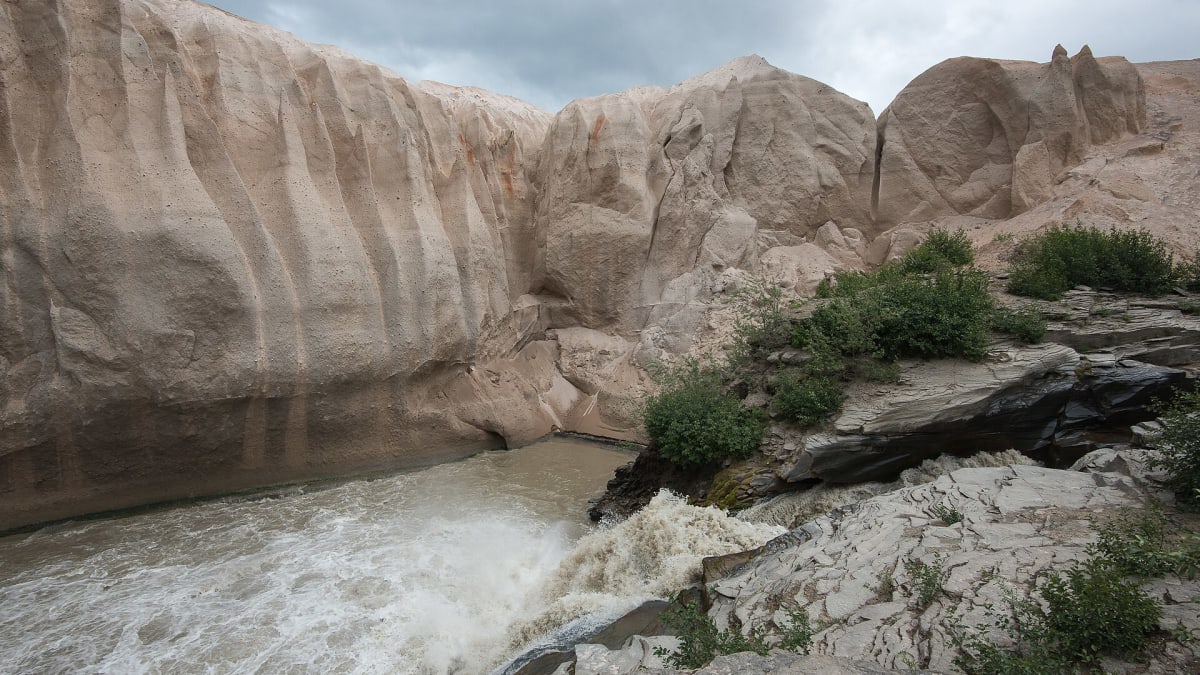
The smokes are long gone now, but the valley remains a stark, moon-like plain of pale ash, cut by rivers into deep, colorful gorges. Reaching it takes real effort, a long guided bus ride from remote Brooks Camp, but the reward is one of the most powerful and otherworldly landscapes in all of Alaska.
What Travelers Love
- Standing in a vast, silent plain of volcanic ash that looks like another planet
- The story of Novarupta, the largest volcanic eruption of the 20th century
- Deep, colorful gorges the rivers have carved through the ash
- Ukak Falls and other water cutting dramatically through the volcanic deposits
Worth Knowing
- The valley is reached by a long guided bus tour from Brooks Camp; there is no road from outside
- Brooks Camp itself is reached only by floatplane or boat from King Salmon, so plan well ahead
- It sits inside Katmai National Park; weather is cold and changeable, so bring layers and rain gear
- This is bear country and true backcountry, so follow all ranger guidance
Learn about Valley of Ten Thousand Smokes
The Novarupta eruption
The 1912 eruption released far more material than the famous 1980 eruption of Mount St. Helens, and it darkened skies and dropped ash across a huge area. Most of the material came from Novarupta, though the nearby summit of Mount Katmai collapsed into a caldera as its magma drained away underground.
The scale is hard to grasp until you stand in the valley the eruption created and realize the flat plain around you is hundreds of feet of solidified ash and pumice. It is a rare, close-up look at the raw power that shapes Alaska's volcanic coast.
A landscape still healing
For years after the eruption, superheated gas and steam rose from the buried valley floor through countless vents, or fumaroles, that gave the valley its name. As the deposits slowly cooled over the following decades, the smokes faded away, leaving the quiet ash plain seen today.
Rivers have since carved deep gorges through the soft volcanic rock, exposing bands of color and creating waterfalls like Ukak Falls. Life is returning slowly, with hardy plants taking hold at the edges, a living lesson in how landscapes recover from catastrophe.
Visiting the valley
Most visitors reach the valley on a ranger-narrated bus tour that runs from Brooks Camp out to an overlook and trailhead high above the ash plain, a long trip on a rough road through wild country. From the overlook, short walks and longer, strenuous hikes lead down toward the valley floor and the gorges.
Because the valley is so remote and the weather so changeable, visits require planning, warm layers, and a flexible schedule. For those who make the journey, it is an unforgettable counterpoint to the bears and salmon that draw most people to Katmai.
Closest Boutels
The closest Boutel™ stays, so you can turn this stop into an overnight. Each is a place we chose through independent editorial review, never a paid placement.
Details
King Salmon, AK
Frequently asked questions
What is the Valley of Ten Thousand Smokes?
The Valley of Ten Thousand Smokes is a vast ash-filled valley in Katmai National Park, Alaska, created by the 1912 eruption of the volcano Novarupta, the largest volcanic eruption anywhere in the world in the twentieth century. The eruption buried the valley under hundreds of feet of glowing ash, and for years steam rose from countless vents in the cooling ground, which gave the valley its name. Today the smokes are gone, leaving a stark, moon-like plain cut by rivers into deep gorges. Reached by a long guided bus ride from remote Brooks Camp, it is one of the most otherworldly landscapes in the national park system.
How do you get to the Valley of Ten Thousand Smokes?
Reaching the Valley of Ten Thousand Smokes takes real effort and planning. First you travel to Brooks Camp within Katmai National Park, which is accessible only by floatplane or boat, usually from the town of King Salmon. From Brooks Camp, a ranger-narrated bus tour travels a long, rough road out to an overlook and trailhead high above the valley. There is no road into the park from the outside. Because of the remote location, limited transportation, and changeable weather, it is important to book well in advance and allow flexibility in your schedule.
How big was the Novarupta eruption?
The 1912 Novarupta eruption was the largest volcanic eruption of the twentieth century, releasing far more material than the well-known 1980 eruption of Mount St. Helens. It sent enormous volumes of ash and pumice into the air, darkened skies, and dropped ash over a vast area of Alaska and beyond. Most of the erupted material came from Novarupta itself, while the summit of nearby Mount Katmai collapsed into a caldera as its underground magma drained toward Novarupta. Standing in the ash-filled valley the eruption created, where the flat plain is hundreds of feet of solidified ash, is the best way to grasp the sheer scale of the event.
Is the Valley of Ten Thousand Smokes still smoking?
No, the valley no longer smokes. In the years right after the 1912 eruption, superheated steam and gas rose from countless vents, called fumaroles, in the hot, freshly deposited ash, which is what inspired the name Valley of Ten Thousand Smokes. As the thick deposits slowly cooled over the following decades, those fumaroles gradually died out, and today the valley is a quiet, stark plain of pale volcanic ash rather than a steaming landscape. What remains are the deep gorges that rivers have carved through the ash, colorful exposed rock, and waterfalls, all telling the story of the eruption and the slow recovery since.
What else is there to do at Katmai besides the valley?
Katmai National Park is most famous for its brown bears, and the biggest draw is Brooks Falls, where bears gather each summer to catch salmon leaping up the waterfall, one of the great wildlife spectacles in the world. Most visitors base themselves at Brooks Camp, which offers the bear-viewing platforms, ranger programs, and the departure point for the bus to the Valley of Ten Thousand Smokes. Combining a few days of bear watching at Brooks Falls with the long trip out to the volcanic valley makes for a remarkable Katmai visit, pairing abundant wildlife with one of the most dramatic volcanic landscapes on earth.
Nearby

Katmai National Park and Brooks Falls
18 miles away
Brooks Falls is one of the great wildlife scenes on earth: in July, brown bears stand shoulder to shoulder at a low waterfall, snapping sockeye salmon out of the air as the fish leap upstream.