

Shoshone Falls
Shoshone Falls Grade
Twin Falls, ID
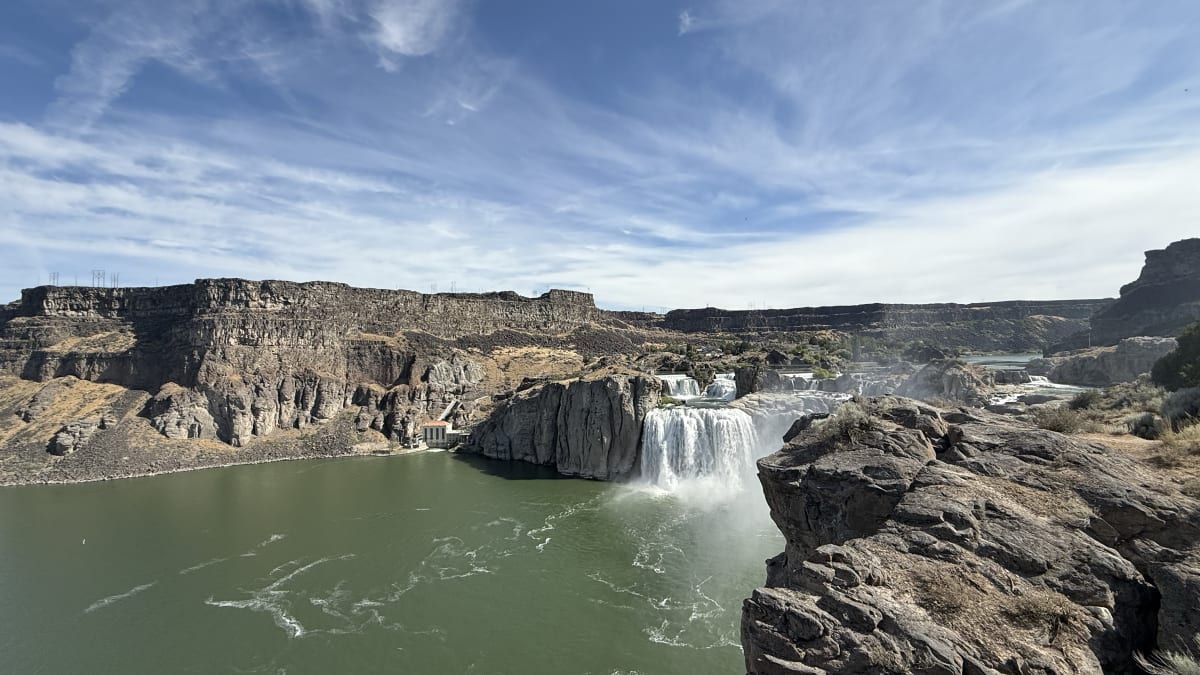
A Snake River waterfall that plunges farther than Niagara, thundering over a horseshoe of dark basalt on the edge of Twin Falls.
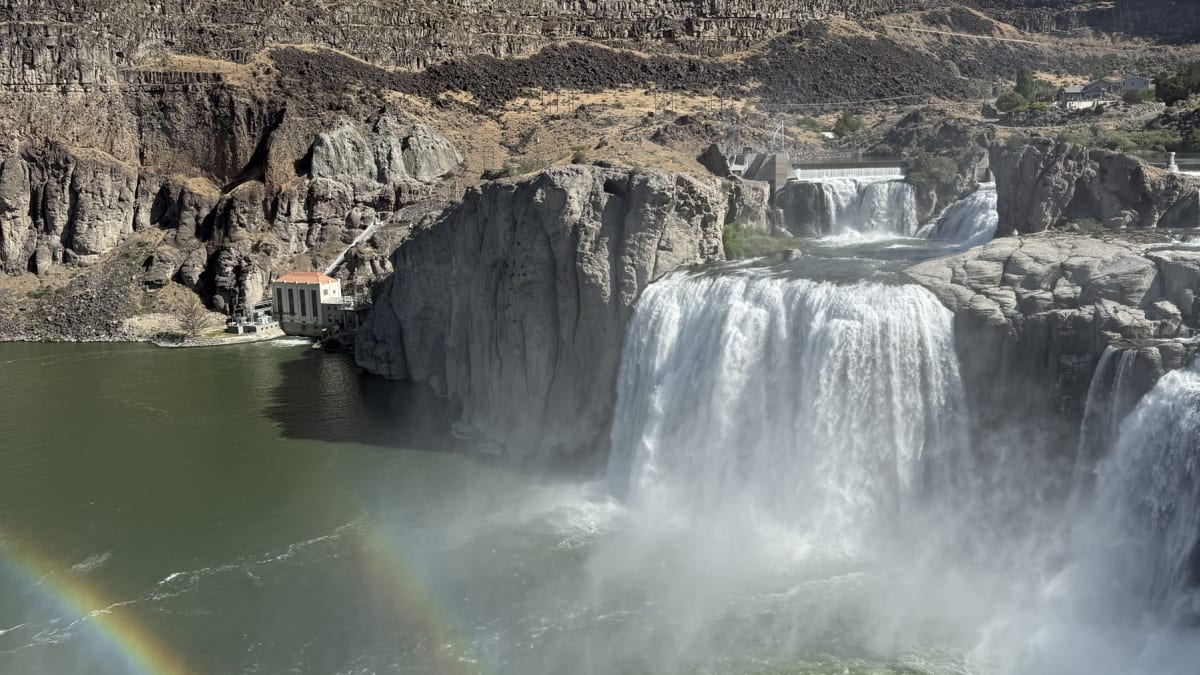
Shoshone Falls is often called the Niagara of the West, and the nickname is earned: the Snake River pours over a horseshoe rim of dark basalt and drops about two hundred and twelve feet, farther than Niagara itself. At full spring flow it is a genuine spectacle, a broad curtain of whitewater thundering into the canyon just outside Twin Falls.
The catch, and the honest part of the story, is the water. The Snake here is heavily used for irrigation and hydropower, so by late summer the falls can shrink to a thin veil. In spring, when snow is melting off the mountains upstream, the river is loud and full, and that is the moment to see it.
What Travelers Love
- A waterfall that actually drops farther than Niagara, framed by a horseshoe of black canyon walls
- The overlook and park right at the lip of the Snake River canyon
- Spring, when snowmelt sends the whole river roaring over the rim
- Rainbows in the mist on a sunny morning
Worth Knowing
- The falls are strongest in spring; by late summer, irrigation and hydropower can slow the flow to a trickle, so time your visit for high water
- There is a fee to enter the city park at the falls during the busy season
- The overlooks are dramatic and the drop is real, so keep children close to the railings
- The access road is steep and winding down into the canyon
Learn about Shoshone Falls
How the falls formed
The Snake River Plain is floored with layer upon layer of ancient lava, and the river has cut a deep canyon down through it. Shoshone Falls is where the river drops off a hard ledge of that basalt into the gorge below.
The canyon and its many waterfalls were dramatically shaped by the Bonneville Flood, a catastrophic Ice Age flood that tore down the Snake River corridor when a natural dam holding back an enormous lake to the southeast failed. That flood scoured the canyon, plucked away rock, and helped carve the rim you see today.
Because the falls are formed on hard rock over softer layers, the plunging water has hollowed the base into a deep pool, and the whole horseshoe steps back upstream over long spans of time as the ledge erodes.
A river the salmon could not pass
Long before dams, Shoshone Falls was a natural barrier that salmon and steelhead could not climb, which shaped the fisheries and the peoples of the whole upper Snake. The Shoshone and Bannock peoples, whose name the falls carry, lived and fished along this river for countless generations and remain here today.
For nineteenth-century travelers on the Oregon Trail and later the railroads, the falls became one of the West's celebrated natural wonders, a place people detoured to see, which is how the Niagara of the West nickname took hold.
The canyon around it
The falls are only one stop along a spectacular reach of the Snake River canyon. Just downstream, the Perrine Bridge spans the gorge, and BASE jumpers legally leap from it year-round. Dierkes Lake, tucked beside the falls, offers calmer water and short trails.
The canyon rim holds hawks and swifts, and the river below draws waterfowl. In the surrounding Magic Valley, springs pour straight out of the canyon walls, feeding the Thousand Springs country downstream.
When to go
Come in spring, from roughly April into June, for peak flow, when the snowmelt makes the falls roar and the odds of rainbows in the mist are highest. This is the single best window.
By high summer the diverted river can leave the falls thin, though the canyon and park are still worth the stop. The park is generally open through the warm season, and mornings bring the softest light and the best rainbows.
Closest Boutels
The closest Boutel™ stays, so you can turn this stop into an overnight. Each is a place we chose through independent editorial review, never a paid placement.
Details
Twin Falls, ID
Frequently asked questions
What is Shoshone Falls?
Shoshone Falls, on the Snake River near Twin Falls in southern Idaho, is a spectacular waterfall often called the Niagara of the West, plunging over two hundred feet, even higher than Niagara Falls, into the dramatic Snake River Canyon. When the river runs high, the wide, powerful falls thunder over the rim in a breathtaking display, framed by the rugged canyon walls. A viewing park with overlooks, trails, and picnic areas offers stunning vistas of the falls and canyon. One of Idaho's most beloved natural wonders, it draws visitors from far and wide. With its towering waterfall and canyon scenery, Shoshone Falls offers a spectacular destination in Idaho.
When is the best time to see Shoshone Falls?
Spring, roughly April through June, is by far the best time to see Shoshone Falls at its most powerful, when snowmelt swells the Snake River and the falls thunder over the rim in a breathtaking display, while in late summer and fall, water is often diverted for irrigation and the falls can slow to a trickle. So the flow varies greatly by season and year. Checking current water conditions before you go is wise. For the most dramatic, powerful falls, aim for spring, especially after a good snow year, at Shoshone Falls near Twin Falls, Idaho.
What can you do at Shoshone Falls?
You can view the spectacular waterfall from overlooks in the viewing park, take in the dramatic Snake River Canyon scenery, walk the trails and paths, picnic, and photograph the falls and canyon, especially glorious when the water runs high in spring. The falls, the canyon views, and the park are the highlights. There is typically a park entrance fee per vehicle. Nearby, the Snake River Canyon offers other attractions like the Perrine Bridge. With its towering waterfall, canyon overlooks, and park, Shoshone Falls offers a rewarding stop near Twin Falls, Idaho.
What safety tips apply at Shoshone Falls?
The overlooks sit atop the steep canyon rim, so stay on designated paths and behind railings, keep back from the edges, and watch children closely, as the drops are significant. Never climb over barriers or attempt to reach the water or the top of the falls, where the powerful current is deadly. The paths can be busy in spring. Wear sturdy shoes and bring sun protection. Staying behind the railings, keeping back from the canyon edges, and supervising children ensure a safe visit to Shoshone Falls in Idaho.
What is near Shoshone Falls?
Shoshone Falls is on the Snake River near Twin Falls in southern Idaho, within reach of the Perrine Bridge BASE jump viewing area, the Perrine Coulee Waterfall, the Canyon Rim Trail, Balanced Rock, and the Thousand Springs and Hagerman Fossil Beds areas. That makes Shoshone Falls a spectacular stop to combine with the Perrine Bridge, the Canyon Rim Trail, and the other attractions of the Twin Falls area in southern Idaho on a visit to the state.
Nearby
Perrine Bridge BASE Jump Viewing Area
3.3 miles away
Perrine Bridge north of Twin Falls spans the Snake River canyon 486 feet above the river, and BASE jumpers leap from the bridge legally year-round.
Canyon Rim Trail
3.4 miles away
A paved, mostly level clifftop path along the south rim of the Snake River Canyon, nearly 500 feet above the river.
Perrine Coulee Waterfall
3.7 miles away
Perrine Coulee Falls drops 197 feet into the Snake River Canyon on the south side of the canyon just west of the Perrine Bridge.