
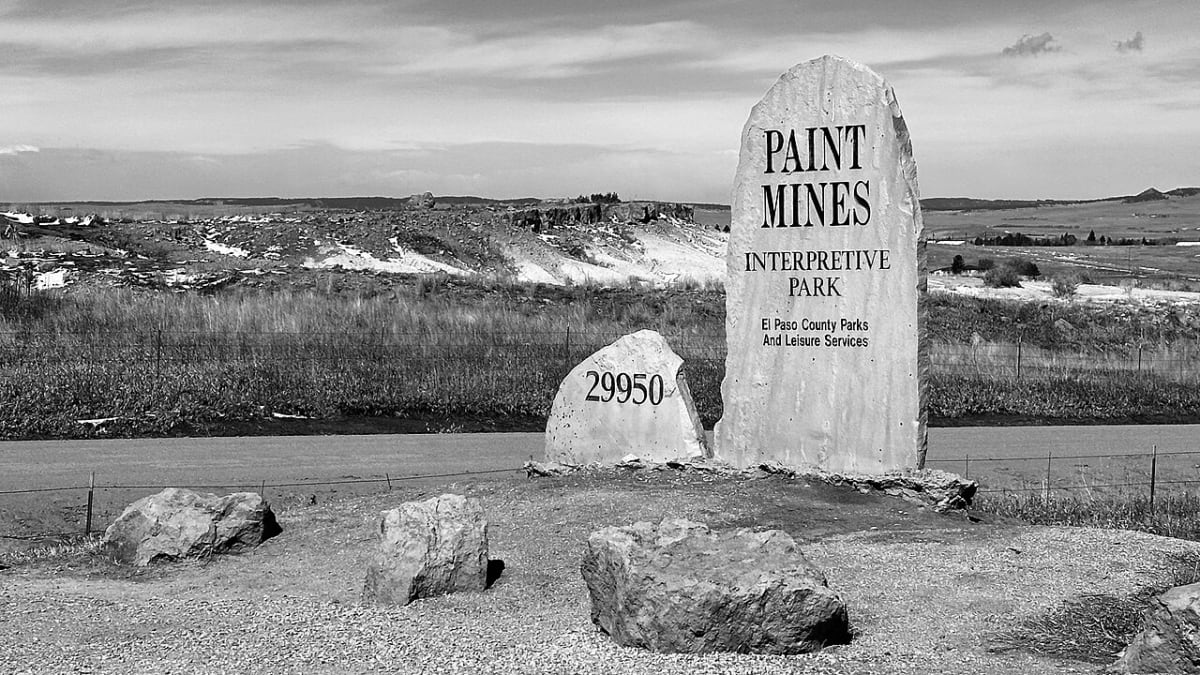
Paint Mines Interpretive Park
12616 Paint Mine Rd, Calhan, CO
Calhan, CO
A secret pocket of banded clay spires and hoodoos hidden in a fold of the grassland, where the earth turns pink, orange, and lavender.
Paint Mines Interpretive Park is one of Colorado's most surprising landscapes, a hidden pocket of colorful badlands tucked into an otherwise flat sweep of eastern-plains grassland. Walk in from the parking area and the ground suddenly drops into a maze of gullies filled with clay spires, hoodoos, and walls banded in pink, orange, white, gray, and lavender, glowing in the low light of morning and evening.
The colors come from oxidized clays and minerals, and the delicate spires are the work of water and time carving the soft rock. Beyond its beauty, this is a place with a long human story: people have gathered clay here for tools, pottery, and pigment for thousands of years, which is why the park is protected as an archaeological site as well as a scenic one.
What Travelers Love
- Stumbling onto a hidden canyon of colorful clay hoodoos in flat grassland
- The layered bands of pink, orange, white, and lavender in the rock
- Easy, family-friendly trails through the formations
- The deep human history, with people using this clay for thousands of years
Worth Knowing
- Stay on the trails and do not climb on or collect the fragile clay formations
- There is little shade, so bring water, sun protection, and a hat
- It is a designated archaeological site, so leave every artifact where it lies
- Storms and lightning are a real hazard on the open plains, so watch the sky
Learn about Paint Mines Interpretive Park
How the colors and hoodoos formed
The rock at Paint Mines is mostly clay and sandstone laid down millions of years ago, in layers that trapped different minerals as they formed. Iron compounds tint the clay in shades of pink, orange, red, and yellow, while other minerals lend whites, grays, and purples, so the exposed slopes read like bands of paint stacked one on another.
The spires and hoodoos are sculpted by erosion. A harder cap of rock protects the softer clay beneath it, and as wind and especially water wear away the surrounding ground, tall thin columns are left standing. Because the clay is soft, the formations are fragile and always slowly changing, which is why visitors are asked to stay on the trails and let the wind and rain do the shaping.
A place used by people for millennia
People have come to the Paint Mines for a very long time, drawn by the same colorful clays that make it beautiful today. Archaeological evidence shows human presence here reaching back thousands of years, with the clay quarried and fired for pottery and ground for pigment, and the site holds a rich record of that use.
This is the plains country of the Cheyenne and Arapaho peoples, among others, whose homelands stretched across eastern Colorado, and the land carries their long history. The park is a protected archaeological area, and part of visiting respectfully is leaving every stone, shard, and artifact exactly where it lies for others to encounter and for its story to stay whole.
The trails and the light
A network of easy, mostly flat trails loops out from the parking area and down into the badlands, making Paint Mines welcoming for families and casual walkers. The loops let you wind among the hoodoos and along the banded walls, and the whole park can be explored in a couple of unhurried hours.
Timing matters here. The colors are richest in the soft, angled light of early morning and late afternoon, when the clay seems to glow, and midday sun tends to flatten and wash them out. Photographers especially love the golden hours, and the low light also spares you the worst of the shadeless heat on the open plains.
Grassland wildlife and the seasons
The park protects not just the formations but the surrounding shortgrass prairie, a habitat that supports pronghorn out on the flats, coyotes, jackrabbits, and a range of grassland birds, from meadowlarks singing on the fence posts to hawks hunting overhead. It is a good reminder that the eastern plains, often overlooked, hold their own quiet abundance.
Spring and fall are the most comfortable seasons, mild and often uncrowded, with spring greening the grass and fall bringing crisp, clear air. Summer is hot and exposed, with the added danger of afternoon thunderstorms and lightning on the open plains, so early visits are wise. Winter is cold and stark, and a dusting of snow on the colored clay can be strikingly beautiful.
Closest Boutels
The closest Boutel™ stays, so you can turn this stop into an overnight. Each is a place we chose through independent editorial review, never a paid placement.
Details
Calhan, CO
Frequently asked questions
What is Paint Mines Interpretive Park?
Paint Mines Interpretive Park, near the town of Calhan on the plains east of Colorado Springs, Colorado, is a striking and colorful natural area famous for its vividly banded clay formations, hoodoos, and badlands in shades of orange, yellow, purple, white, and red. Shaped by erosion over thousands of years, these otherworldly, rainbow-hued spires and gullies also hold archaeological significance, as the area was used by ancient peoples who mined the colorful clays. With scenic trails winding through the surreal landscape, Paint Mines offers a unique, photogenic, and fascinating outdoor experience unlike anywhere else in the region, blending geology, color, and history.
What can you do at Paint Mines Interpretive Park?
You can hike the trails that wind through and among the colorful clay formations, hoodoos, and badlands, marvel at and photograph the vivid, banded rock in its ever-changing light, learn about the geology and the area's archaeological history through interpretive information, and enjoy the surreal, peaceful scenery on the open plains. The relatively easy trails make it accessible, though staying on them is important to protect the fragile formations. With its extraordinary colorful landscape, scenic trails, and rich history, Paint Mines Interpretive Park offers a unique and memorable outing east of Colorado Springs.
What safety precautions should I take at Paint Mines Interpretive Park?
The park is on the open, exposed plains with little to no shade, so bring plenty of water, sun protection, and a hat, especially in summer when it can be hot, and be aware there are few facilities. Afternoon thunderstorms bring dangerous lightning on the exposed terrain, so check the weather and leave if storms approach. Stay on the designated trails to protect the fragile clay formations and for your safety, since climbing on them is prohibited and damaging. Being prepared for sun, heat, and weather, and staying on trails, ensures a safe and responsible visit.
When is the best time to visit Paint Mines Interpretive Park?
Spring and fall offer the most comfortable temperatures for exploring this exposed, shadeless park, while summer can be hot with afternoon thunderstorms, so early morning visits with plenty of water are best then, and winter is cold but the colorful formations can be striking with snow. The colors of the clay are especially vivid in the soft light of morning and evening and after rain. For the best combination of comfortable weather, beautiful light, and safety from heat and storms, aim for spring, fall, or an early summer morning at this colorful park.
What is near Paint Mines Interpretive Park?
The park is near the town of Calhan on the eastern plains of Colorado, within reach of Colorado Springs to the west with its many attractions including Garden of the Gods, Pikes Peak, and the Cheyenne Mountain Zoo, and the open ranch country of the plains. That makes Paint Mines Interpretive Park a unique and colorful stop to combine with the attractions of the Colorado Springs area on a visit to the region, offering a striking and offbeat natural wonder east of the city.
Nearby
Garden of the Gods
34 miles away
This one is no secret, but the trick most visitors miss is how little you have to do for the best of it.
Red Rock Canyon Open Space
35 miles away
A quieter red-rock counterpart to the nearby Garden of the Gods, this nearly 1,500-acre city open space west of downtown Colorado Springs holds tilted sandstone hogbacks, old stone quarries, and a sma...

Cheyenne Mountain Zoo
36 miles away
Cheyenne Mountain Zoo sits at 6,714 feet on the slope of Cheyenne Mountain, making it the highest elevation zoo in the United States and one of a kind in the way the terrain is incorporated into the a...