
Oliver Lee Memorial State Park
409 Dog Canyon Rd, Alamogordo, NM
Alamogordo, NM
A hidden green canyon with a running spring cuts into the desert face of the Sacramento Mountains, a rare ribbon of water in the dry Tularosa Basin.
Oliver Lee Memorial State Park guards the mouth of Dog Canyon, one of the most striking places where the wall of the Sacramento Mountains meets the flat desert of the Tularosa Basin. Fed by an unusual perennial spring, the canyon holds a ribbon of green, reeds, willows, and running water, in a land where water almost never shows itself on the surface, making it a true oasis.
That water is also why the place carries a name and a history. The park preserves the ranch of Oliver Lee, a controversial cattleman of the frontier era whose life here was bound up with the bitter disputes over land and water that marked the settling of the basin. Between the lush canyon, the desert views, and the human drama, the park packs a great deal into a small footprint at the edge of the mountains.
What Travelers Love
- A green, spring-fed canyon slicing into an otherwise dry desert mountain front
- The steep, dramatic Dog Canyon Trail climbing into the Sacramento Mountains
- The preserved historic ranch house and the story of the water disputes here
- Wide views out over the Tularosa Basin toward White Sands from the trail
Worth Knowing
- The main trail up Dog Canyon is steep, exposed, and demanding, so carry plenty of water and start early in warm months
- The perennial spring makes this a rare oasis, so stay on trails to protect the fragile canyon habitat
- Summer heat in the basin is intense and afternoon storms can flood the canyon, so plan around the weather
- The historic ranch house is open on a limited basis, so check ahead if seeing inside matters to your visit
Learn about Oliver Lee Memorial State Park
Dog Canyon and its rare spring
Dog Canyon is a deep notch cut into the western face of the Sacramento Mountains, and its distinguishing feature is water. A perennial spring rises within it and keeps a stream running, nourishing a lush band of vegetation that stands out vividly against the sparse desert scrub of the surrounding basin.
This reliable water made the canyon important long before the state park, drawing people to it across the ages. In a basin where surface water is precious and rare, an oasis like this shaped who could live and graze here, and it remains an ecological refuge where plants and animals concentrate along the green thread of the stream.
The Oliver Lee ranch and its history
The park is named for Oliver Lee, a cattleman and figure of the turbulent frontier who built his ranch at the mouth of Dog Canyon, drawn by its dependable water. His preserved ranch house stands in the park, furnished to reflect the era and open for a look into ranch life at the edge of the mountains.
Lee's story is a controversial one, entangled in the range wars, land disputes, and the sensational disappearance of a father and son whose case became one of the most notorious of the territorial era. Lee was tried in connection with it and acquitted, and the truth remains debated. The park does not shy from this complicated legacy, which gives the peaceful canyon a darker undercurrent of history.
The trail and the geology
The signature hike is the Dog Canyon National Recreation Trail, a steep and strenuous route that climbs high into the Sacramento Mountains from the canyon mouth. It gains serious elevation on an exposed path, rewarding the effort with ever-wider views back across the Tularosa Basin toward the white shimmer of the dunes.
The canyon itself is a lesson in geology, its walls exposing layers of ancient rock uplifted and tilted as the Sacramento Mountains rose along a great fault, while the basin dropped away below. The abrupt boundary between mountain and basin, so clear here, is the reason the spring surfaces and the reason the views are so sweeping.
Wildlife and the seasons
The green canyon draws wildlife to its water. Mule deer move through, and the cliffs and slopes are home to birds of prey, canyon wrens, and the desert creatures that come to drink. In the wetter pockets, the contrast between reeds and stream on one side and dry desert scrub on the other is striking.
Spring and fall are the best times to visit and to tackle the strenuous canyon trail, with mild temperatures and, in spring, wildflowers. Summer in the basin is punishingly hot and prone to afternoon thunderstorms that can flood the canyon, so an early start and good water are essential. Winter days are cool and clear, and the park is quiet, a fine time for the lower trails and the ranch house.
Closest Boutels
The closest Boutel™ stays, so you can turn this stop into an overnight. Each is a place we chose through independent editorial review, never a paid placement.
Details
Alamogordo, NM
Frequently asked questions
What is Oliver Lee Memorial State Park?
Oliver Lee Memorial State Park, near Alamogordo in southern New Mexico, is a scenic park set at the mouth of the dramatic Dog Canyon in the Sacramento Mountains, where steep canyon walls rise abruptly from the desert. The park combines striking natural beauty with rich history, preserving a historic ranch connected to the colorful frontier figure Oliver Lee and offering a chance to explore the rugged canyon. With its spectacular Dog Canyon trail, historic ranch site, desert and mountain scenery, camping, and abundant wildlife, Oliver Lee Memorial State Park offers a rewarding blend of hiking, history, and dramatic landscapes in southern New Mexico's Tularosa Basin.
What can you do at Oliver Lee Memorial State Park?
You can hike the challenging and scenic Dog Canyon National Recreation Trail, which climbs steeply up the canyon with stunning views, explore the historic Frenchy's ranch site and learn about the park's frontier history including the story of Oliver Lee, camp at the campground, watch for wildlife including desert bighorn sheep, and enjoy the dramatic canyon and desert scenery. The visitor center offers exhibits. The Dog Canyon trail is a highlight for fit hikers. With its dramatic canyon hiking, ranch history, camping, and beautiful scenery, Oliver Lee Memorial State Park offers a rewarding outdoor and historical experience near Alamogordo in southern New Mexico.
How hard is the Dog Canyon Trail at Oliver Lee Memorial State Park?
The Dog Canyon National Recreation Trail is strenuous, climbing steeply and dramatically up the canyon and gaining significant elevation over its length, so hiking even part of it is a real workout, though the views are spectacular. The trail is rugged, exposed, and hot, with rocky, uneven footing, so it demands good fitness, sturdy shoes, and plenty of water. Many hikers do a portion for the views rather than the full climb. Knowing the trail's difficulty, carrying ample water, hiking in cooler hours, and turning back as needed helps you enjoy this beautiful but demanding canyon trail safely.
When is the best time to visit Oliver Lee Memorial State Park?
Fall through spring offers the most comfortable temperatures for hiking the exposed Dog Canyon trail and exploring the park, avoiding the intense heat of summer in the Tularosa Basin, while spring can bring wildflowers and cooler mornings. Mornings are best in warm months for the strenuous trail. Winter is mild and pleasant for hiking. For the best combination of comfortable weather and safe conditions on the demanding canyon trail, aim for the cooler months from fall through spring at Oliver Lee Memorial State Park, hiking in the cooler hours and carrying plenty of water.
What is near Oliver Lee Memorial State Park?
Oliver Lee Memorial State Park is near Alamogordo in southern New Mexico, within reach of the spectacular White Sands National Park, the New Mexico Museum of Space History, the Three Rivers Petroglyph Site, and the mountain town of Cloudcroft in the Sacramento Mountains. That makes Oliver Lee Memorial State Park a scenic stop to combine with White Sands National Park, the Space History museum, and the other attractions of southern New Mexico on a visit to the state.
Outside the Park
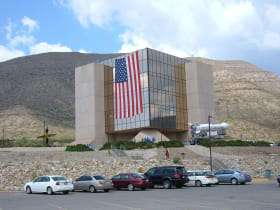
New Mexico Museum of Space History
8.2 miles away
This museum sits right where a lot of American rocketry actually happened, since White Sands Missile Range is just over the mountains.

White Sands National Park
15 miles away
The world's largest gypsum dune field, rolling waves of brilliant white sand you can sled down.
Lake Lucero Overlook
36 miles away
The overlook is on White Sands National Park's Alkali Flat Trail, accessible as a 5-mile round trip.
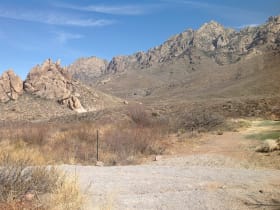
Dripping Springs Natural Area
49 miles away
Most people in Las Cruces have not been to Dripping Springs, which is 10 miles from downtown. The ruins of the Van Patten Mountain Camp, a resort that operated in the 1880s, are at the canyon head.