
Navajo National Monument
AZ-564, Shonto, AZ
Shonto, AZ
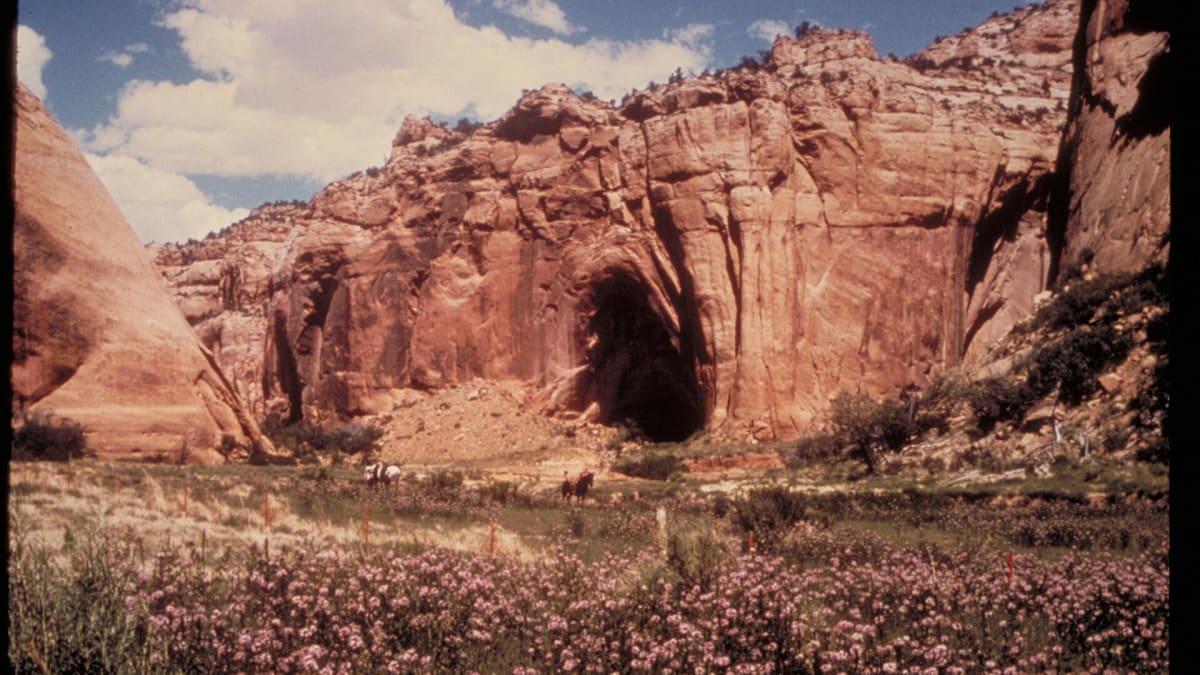
Three of the best-preserved cliff dwellings in the Southwest, built in high sandstone alcoves and set within the living homeland of the Navajo, Hopi, and other Pueblo peoples.
Navajo National Monument protects three remarkable cliff dwellings, Betatakin, Keet Seel, and Inscription House, built by Ancestral Puebloan people in sheltered sandstone alcoves more than seven centuries ago. Betatakin, tucked into a vast curving amphitheater of rock, is visible from an easy overlook trail, while the larger and more remote Keet Seel is one of the best-preserved dwellings of its kind anywhere in the Southwest.
Though it carries the name Navajo, the monument sits on Navajo Nation land while honoring the ancestors of today's Hopi and other Pueblo peoples, who trace their clans and migrations to these very canyons. The high plateau setting, the quiet, and the sense of stepping into a living cultural story make it one of Arizona's most rewarding and least crowded destinations.
What Travelers Love
- The overlook view of Betatakin cradled in its enormous curving alcove
- Free ranger-led hikes to Betatakin and the longer trek to Keet Seel
- The high, quiet plateau setting far from busy park corridors
- Learning the deep living connection between the site and today's Pueblo peoples
Worth Knowing
- The dwellings themselves can only be reached on ranger-guided hikes, and access to Keet Seel is limited
- This is sacred ancestral ground on the Navajo Nation, so treat the sites and the land with respect
- The elevation is high, so hikes are strenuous and the air is thin; carry plenty of water
- Winter brings snow and possible closures, so check conditions before making the drive
Learn about Navajo National Monument
The people who built the dwellings
The stone-and-mortar villages here were raised by Ancestral Puebloan people in the thirteenth century, farmers who grew corn, beans, and squash on the canyon floors and mesa tops and built their homes into protected alcoves. Betatakin and Keet Seel were occupied for only a few generations before the people moved on, part of a broader migration across the Colorado Plateau.
These builders were not a vanished culture. Their descendants live today among the Hopi and other Pueblo nations, who regard these canyons as ancestral homes tied to clan histories and migration stories. The site now lies within the Navajo Nation as well, so several living peoples hold connection to this ground, and that layered relationship is central to how the monument is understood and cared for.
Betatakin and Keet Seel
Betatakin sits in a single enormous alcove, a great curved hollow in the sandstone that shelters the dwelling from sun and storm. From the visitor center overlook you can see it across the canyon, small against the sweep of stone, and a ranger-led hike descends to it for a closer look. The name comes from a Navajo word meaning ledge house.
Keet Seel is larger and far more remote, reached by a long and strenuous backcountry hike that the Park Service limits to protect it. Because it was sealed off and little disturbed for centuries, it survives in extraordinary condition, with original timbers, plaster, and even preserved corncobs. Reaching it is a genuine expedition and one of the great walks in the Southwest.
The high plateau country
The monument stands on the Colorado Plateau at high elevation, in a landscape of Navajo sandstone cut by deep, sheer canyons. This is the same rock that forms so many of the region's cliffs and alcoves, laid down as ancient dunes and later carved by water into the shapes seen today. The alcoves that shelter the dwellings formed where seeping water weakened the stone and slabs fell away.
The mesa tops carry a pinyon-juniper woodland, dry and fragrant, with sagebrush flats and scattered ponderosa pine at the higher edges. It is quiet country, big and open, and the drive in across the plateau is part of the experience, a slow approach through the heart of the Navajo Nation.
Wildlife and seasons
The woodlands here support mule deer, coyotes, jackrabbits, and a range of birds, from pinyon jays working the trees to ravens and raptors riding the canyon updrafts. In the cool shaded alcoves and along seeps, hanging gardens of ferns and wildflowers cling to the wet sandstone, small pockets of green in the dry country.
Late spring through early fall is the season for the guided hikes, with warm days and cool nights at elevation. Summer afternoons can bring monsoon thunderstorms, so hikers watch the sky. Winter is cold and often snowy up here, and trails and the road may close, so a winter visit means checking ahead and coming prepared for the plateau chill.
Closest Boutels
The closest Boutel™ stays, so you can turn this stop into an overnight. Each is a place we chose through independent editorial review, never a paid placement.
Details
Shonto, AZ
Frequently asked questions
What is Navajo National Monument?
Navajo National Monument, on the Navajo Nation in northeastern Arizona, preserves remarkably well-preserved ancestral Puebloan cliff dwellings built into sandstone alcoves over seven centuries ago. Its most famous sites, Betatakin and Keet Seel, are among the best-preserved cliff dwellings in the Southwest, tucked into dramatic canyon walls. With a free visitor center, easy overlook trails, and ranger-guided hikes to the dwellings, the monument offers a moving glimpse into the lives of the people who once thrived here, set amid striking high-desert canyon scenery.
Can you visit the cliff dwellings at Navajo National Monument?
Yes, but access varies by site. You can view the impressive Betatakin dwelling from an easy overlook trail near the visitor center, while actually hiking to Betatakin or the more remote Keet Seel requires a ranger-guided or permitted trip that is strenuous and offered only seasonally, so plan ahead. The guided hikes are long and demanding across canyon terrain. For most visitors, the overlook trails offer wonderful views of the dwellings and canyons without the difficult descent, and admission to the monument is free.
What can you do at Navajo National Monument?
You can explore the visitor center's exhibits on ancestral Puebloan and Navajo culture, walk the short, accessible Sandal Trail to the Betatakin overlook and other rim trails for canyon and dwelling views, and, in season, join a ranger-guided hike down to Betatakin or a longer trek to Keet Seel with a permit. Camping is available at the free campgrounds. The combination of archaeology, culture, and scenery makes it a rewarding and peaceful stop that honors the area's deep Native heritage.
When is the best time to visit Navajo National Monument?
Spring through fall is best, when the weather is pleasant and the ranger-guided hikes to the cliff dwellings are typically offered, with spring and fall most comfortable for the strenuous treks and summer hot at midday. The overlook trails can be enjoyed year-round, though winter brings cold and occasional snow at this high elevation. Because guided hike availability is seasonal and limited, checking current schedules and permit requirements before you go is important if you hope to reach the dwellings up close.
What is near Navajo National Monument?
The monument is on the Navajo Nation in northeastern Arizona, within reach of the iconic Monument Valley to the north, the town of Page with Antelope Canyon, Horseshoe Bend, and Lake Powell to the west, and the broader canyon and mesa country of the Four Corners region. That makes Navajo National Monument a meaningful and scenic stop on a road trip exploring the Native lands, ancient sites, and dramatic landscapes of northeastern Arizona and the wider Southwest.
Nearby

Rainbow Bridge National Monument
34 miles away
Rainbow Bridge is a giant, curving arch of sandstone hidden deep in the canyons of Lake Powell, and you can only reach it by boat or a long hike, which keeps its sky wonderfully wild and dark.

Goosenecks State Park
46 miles away
At Goosenecks the San Juan River doubles back on itself again and again, carving a set of entrenched meanders that drop over 1,000 feet below the rim.

Antelope Canyon
47 miles away
Antelope Canyon is a slot canyon carved into Navajo sandstone by flash floods, with smoothly sculpted walls and dramatic light beams that appear mid-day from April through October.