Missouri Botanical Garden
4344 Shaw Blvd, St. Louis, MO
St. Louis, MO
One of the oldest botanical gardens in the country, where a geodesic-dome rainforest, a serene Japanese garden, and centuries of plant science share the same historic grounds.
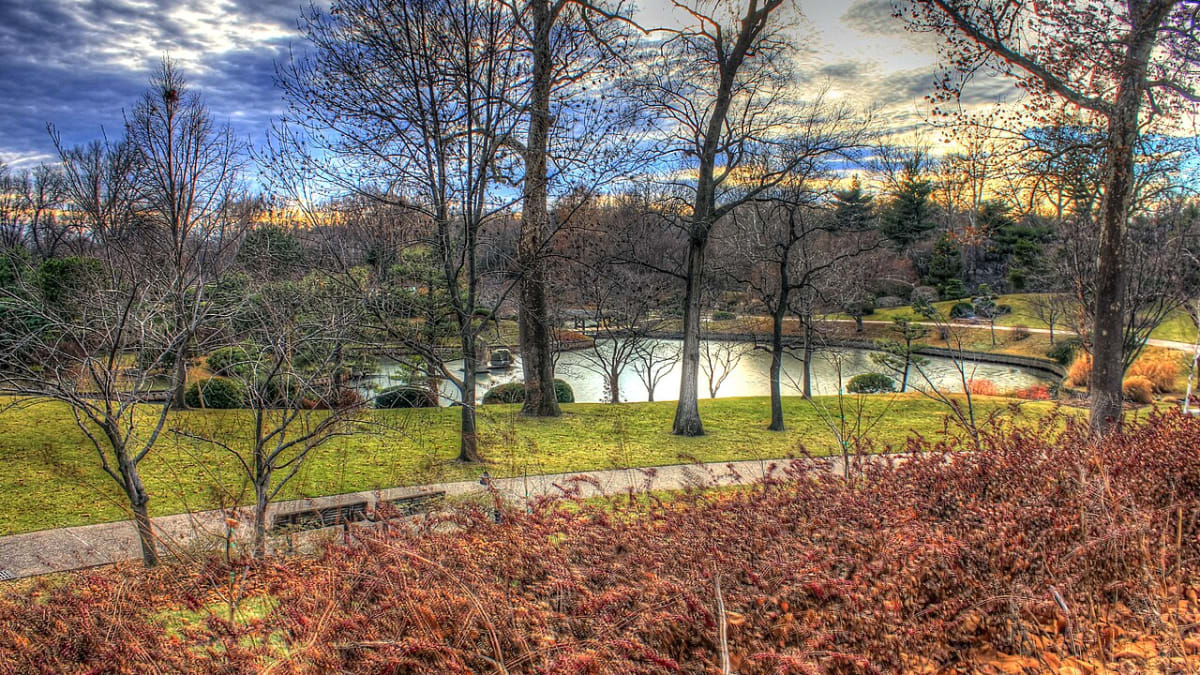
The Missouri Botanical Garden, known to locals simply as Shaw's Garden, is one of the oldest botanical gardens in the United States and one of the most respected in the world. Founded in the 1850s by an English-born St. Louis merchant named Henry Shaw, it has grown into a vast and beautiful landscape of themed gardens, historic buildings, glasshouses, and a serene Japanese garden, all on grounds Shaw first laid out on his own estate.
It is far more than a pretty place to stroll. The garden is a globally important center of botanical research and plant conservation, its scientists working around the world to name, study, and protect plants before they vanish. Its most iconic feature, the Climatron, is a soaring geodesic dome that encloses a living tropical rainforest under glass, a marriage of futuristic engineering and lush nature that has become a symbol of the whole institution.
What Travelers Love
- The Climatron, a geodesic-dome greenhouse holding a lush tropical rainforest
- The large and serene Japanese garden with its lake, bridges, and koi
- The founder's original 1850s estate house and gardens preserved on the grounds
- Seasonal displays, from spring bulbs to lantern festivals and holiday lights
Worth Knowing
- The grounds are extensive, so comfortable walking shoes and time are rewarded
- The Climatron is humid and warm year-round, a welcome refuge on a cold day
- Spring blooms and the seasonal festivals draw the biggest crowds
- The garden is a donation-supported institution that also does global plant research
Learn about Missouri Botanical Garden
Henry Shaw and the founding
Henry Shaw came to St. Louis from England as a young man and made a fortune in the hardware and trade business of a booming frontier city, retiring wealthy while still fairly young. Inspired by the great gardens of Europe, especially the royal botanic gardens at Kew, he resolved to create a public botanical garden for St. Louis, and in the 1850s he opened his grounds to the public, laying the foundation for the institution that still bears the state's name.
Shaw did not simply build a pleasure garden. He endowed it, tied it to serious scientific work, and arranged for it to continue after his death, ensuring it would be both a place of beauty and a center of learning. His original country estate house, a handsome nineteenth-century residence, still stands on the grounds, and Shaw himself is buried in a mausoleum on the property he loved.
The Climatron and the glasshouses
The garden's most famous landmark is the Climatron, a geodesic dome built in the 1960s in the visionary style associated with the engineer Buckminster Fuller. Beneath its clear panels grows a self-contained tropical rainforest, with towering plants, waterfalls, and warm, humid air, so that stepping inside on a St. Louis winter day feels like walking into the jungle. It was a landmark of both horticulture and architecture when it opened, and it remains a wonder.
Around the Climatron, other glasshouses and conservatories shelter specialized collections, from desert plants to delicate orchids. Together they let the garden grow and display species from climates all over the world, and they support the conservation work of keeping rare and endangered plants alive. For visitors, they mean there is always something green and blooming to see, no matter the season outside.
The Japanese garden and the grounds
Among the garden's many themed areas, the Japanese garden is a special favorite, one of the largest of its kind in North America. Built around a lake with islands, bridges, stone lanterns, and carefully placed rocks and plantings, it is designed as a strolling garden meant to be experienced slowly, revealing new compositions at every turn. Koi glide in the water, and the scene shifts beautifully with the seasons.
Beyond it lie rose gardens, a woodland garden, a children's garden, formal European-style gardens, and more, spread across grounds large enough to spend a full day exploring. The variety is the point: the garden gathers the plant life and garden traditions of the world into one place, so a single visit can carry you from a tropical dome to a formal parterre to a quiet Japanese lakeside.
Science, seasons, and conservation
Behind the beauty, the Missouri Botanical Garden is one of the world's leading centers of plant science. Its researchers travel the globe to document and study plants, maintaining vast collections of specimens and databases used by botanists everywhere, and leading efforts to conserve species threatened by habitat loss. That research mission, dating back to Shaw's original vision, sets the garden apart from an ordinary public park.
Every season brings a different face. Spring explodes with bulbs and flowering trees, summer fills the outdoor gardens with color, fall lights the woodland and Japanese gardens, and winter draws visitors indoors to the glasshouses and to seasonal events like garden lantern festivals and holiday light displays. Whenever you come, there is something in bloom or on display, indoors or out.
Closest Boutels
The closest Boutel™ stays, so you can turn this stop into an overnight. Each is a place we chose through independent editorial review, never a paid placement.
Details
St. Louis, MO
Frequently asked questions
What is the Missouri Botanical Garden?
The Missouri Botanical Garden, in St. Louis, is one of the oldest and finest botanical gardens in the country, a beautiful and world-renowned center for horticulture, conservation, and research. Spanning acres of stunning display gardens, the garden features a magnificent Japanese garden, a rose garden, a children's garden, seasonal displays, historic buildings, and the iconic Climatron, a geodesic-dome greenhouse housing a lush tropical rainforest. A gorgeous green oasis and a leader in plant science, it delights garden lovers and families through the seasons. With its display gardens and Climatron, the Missouri Botanical Garden offers a spectacular destination in Missouri.
What can you see at the Missouri Botanical Garden?
You can stroll acres of beautiful display gardens, including a magnificent Japanese garden, a rose garden, and a children's garden, explore the iconic Climatron dome greenhouse with its tropical rainforest, see seasonal flower displays and historic buildings, and enjoy the conservatories and grounds. The stunning Japanese garden, the Climatron rainforest, the variety of display gardens, and the seasonal blooms are the highlights, offering beauty and wonder in every season. Its horticultural richness is world-class. With its gardens and Climatron, the Missouri Botanical Garden offers a rewarding visit in St. Louis, Missouri.
When is the best time to visit the Missouri Botanical Garden?
Spring brings spectacular blooms including bulbs, azaleas, and the Japanese garden's cherry trees, summer and fall offer lush gardens and seasonal displays, and the indoor Climatron and conservatories provide tropical greenery year-round even in winter, making the garden rewarding in any season. Spring is especially glorious. Special seasonal events and light displays add appeal at times. For the fullest blooms aim for spring, or visit any season and enjoy the Climatron, at the Missouri Botanical Garden in Missouri.
Is the Missouri Botanical Garden good for families?
Yes, the Missouri Botanical Garden is a wonderful family destination, with a dedicated children's garden full of interactive and playful features, the fascinating Climatron rainforest dome, beautiful gardens to explore, and open space, all delighting children and adults alike. Kids especially love the children's garden and the tropical dome, while the whole family enjoys the beauty and variety. Checking current hours and any family programs before you go is wise. With its children's garden, Climatron, and display gardens, the Missouri Botanical Garden makes an excellent family destination in Missouri.
What is near the Missouri Botanical Garden?
The Missouri Botanical Garden is in St. Louis, Missouri, within reach of the City Museum, downtown St. Louis and the Gateway Arch, the Ulysses S. Grant National Historic Site, and the St. Louis area. That makes the Missouri Botanical Garden a spectacular stop to combine with the City Museum and the other attractions of St. Louis on a visit to Missouri.
Nearby

City Museum
3.4 miles away
Nothing prepares you for this place, and that is the joy of it.
The Old Courthouse
3.9 miles away
The Old Courthouse is a historic domed courthouse a few blocks from the Gateway Arch, where the Dred Scott case, a pivotal fight over slavery and freedom, was first tried in the 1840s and 1850s.

Museum at the Gateway Arch
4.1 miles away
The Museum at the Gateway Arch lies beneath the arch, telling the story of St.

Gateway Arch National Park
4.1 miles away
The 630-foot stainless-steel arch on the St. Louis riverfront, monument to the nation's westward expansion.

The Gateway Arch
4.1 miles away
The Gateway Arch is a 630-foot stainless steel arch on the St. Louis riverfront, the tallest man-made monument in the United States and a symbol of the nation westward expansion.

Tram to the Top
4.1 miles away
The Tram to the Top carries visitors up inside the Gateway Arch in small capsule cars to an observation deck 630 feet above St. Louis.

Ulysses S. Grant National Historic Site
6.5 miles away
This quiet green house on the edge of the metro carries a heavier story than most visitors expect.

Cahokia Mounds State Historic Site
11 miles away
Kids can climb to the top of the biggest ancient earthwork in the Americas here.

Old Chain of Rocks Bridge
11 miles away
A historic steel bridge over the Mississippi just north of St. Louis, built in the 1920s and once carrying Route 66 across the great river, famous for the sharp bend in the middle of its span.
World's Largest Catsup Bottle
15 miles away
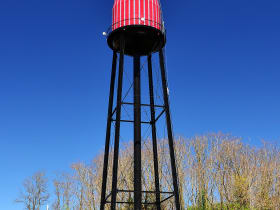
It looks exactly like a catsup bottle, because that is the whole point.