

Letchworth State Park
8633 River Rd
Hunt, NY
Often called the Grand Canyon of the East, a forested gorge where the Genesee River cuts nearly six hundred feet through the rock and drops over three great waterfalls.
Letchworth State Park follows the Genesee River as it carves a deep, forested canyon through western New York, a gorge so dramatic that it has long been called the Grand Canyon of the East. Along its middle stretch the river tumbles over three major waterfalls, the Upper, Middle, and Lower Falls, with cliff walls rising as much as six hundred feet above the water.
The park is named for William Pryor Letchworth, a Buffalo businessman who bought the land around the falls in the 1850s to save the scenery from mills and dams. He gave the whole estate to the state in the early twentieth century, and the hilltop where his home still stands, the Glen Iris, looks straight down onto the Middle Falls.
What Travelers Love
- Standing above the Upper, Middle, and Lower Falls where the river drops through the gorge
- The stone Glen Iris Inn overlooking the Middle Falls, once William Pryor Letchworth's home
- The old Portage railroad arch high above the Upper Falls, framing the whole scene
- Miles of rim trails, overlooks, and quiet forest along the canyon edge
Worth Knowing
- The gorge is deep and the drop-offs are real, so keep to marked overlooks and trails
- Autumn draws big crowds for the color, so arrive early on fall weekends
- The main park roads and some facilities close for the winter, so check conditions first
- It is a large park with several entrances, so decide which falls you want to see before you go
Learn about Letchworth State Park
The Seneca and the story of the gorge
This land lies within the homeland of the Seneca, the Keeper of the Western Door of the Haudenosaunee, the Six Nations confederacy, and their descendants remain in western New York today. The Genesee Valley was a Seneca heartland of villages, cornfields, and river trails, and the falls were a known landmark long before any European saw them.
One figure ties the human story of the gorge together. Mary Jemison, a Scots-Irish settler girl taken captive as a child during the frontier wars of the 1750s, chose to live out her life among the Seneca, raising a family in the Genesee Valley and becoming known as the White Woman of the Genesee. Letchworth had her cabin and her remains moved to the Council Grounds within the park, where a statue and a restored Seneca council house stand today, and where her long life is remembered as part of the valley's story.
How the river cut the canyon
The gorge is young by geological standards, carved after the last ice age when retreating glaciers left the Genesee River flowing along a new course. Blocked from its old channel, the river began cutting down through layers of sandstone and shale, and over roughly ten thousand years it wore the deep, steep-walled canyon that visitors see today.
The three waterfalls mark places where the river crosses bands of harder rock that resist erosion. The Middle Falls is the tallest and the centerpiece, a broad curtain of water below the Glen Iris, while the Upper Falls drops beneath the great stone arch of the old Portage railroad bridge and the Lower Falls lies deep in a narrow slot downstream.
Wildlife and the forest
The gorge and its rim forests are rich in wildlife. White-tailed deer are common in the meadows and woods, wild turkeys move along the field edges, and the canyon walls draw turkey vultures and, in some seasons, bald eagles riding the updrafts above the river.
The forest is classic western New York hardwood, with maple, oak, hemlock, and beech along the rim and cool, shaded hollows near the water. Spring wildflowers carpet the slopes, and the mix of ridge, ravine, and river makes the park a favorite for birdwatchers, with warblers passing through in migration and pileated woodpeckers drumming in the older stands.
Season by season
Spring is loud with meltwater, when the three falls run their fullest and the wildflowers bloom along the trails. Summer is warm and green, the busiest stretch for hiking, picnicking, and the hot-air balloon rides that lift off over the gorge.
Autumn is the park's signature season, when the hardwood canopy turns crimson and gold above the canyon and the overlooks draw their largest crowds. Winter is quiet and stark, the falls often edged with ice and the rim forest hushed with snow, though many roads and facilities close until spring.
Closest Boutels
The closest Boutel™ stays, so you can turn this stop into an overnight. Each is a place we chose through independent editorial review, never a paid placement.
Details
Hunt, NY
Frequently asked questions
Why is Letchworth State Park called the Grand Canyon of the East?
Because the Genesee River has carved a dramatic gorge here, with cliffs rising as high as six hundred feet and three major waterfalls tumbling through miles of forested canyon. Repeatedly ranked among the best state parks in the nation, it is a sweeping landscape of overlooks, deep woods, and roaring water. The scale and beauty of the gorge, especially from its clifftop viewpoints, genuinely earn the grand nickname.
What are the must-see spots at Letchworth?
The three waterfalls are the stars: the Upper Falls beneath the graceful stone arch railroad bridge, the tall and impressive Middle Falls near the historic Glen Iris Inn, and the Lower Falls farther along the gorge. Don't miss Inspiration Point, a classic overlook taking in the Upper and Middle Falls together. The roughly seven-mile Gorge Trail links the major falls for those who want to see them on foot.
What else can you do at Letchworth State Park?
Beyond hiking its many miles of trails, the park offers whitewater rafting on the Genesee, seasonal hot-air balloon rides that float over the falls and gorge, a nature center, an outdoor pool, camping, and the historic Glen Iris Inn overlooking the Middle Falls. It is a large park with something for every pace, from quick scenic drives between overlooks to full days of hiking and adventure.
When is the best time to visit Letchworth?
Spring brings the falls at their fullest, summer offers green forests and full amenities, and autumn is spectacular, with the gorge ablaze in fall color, though weekends in summer and fall get crowded. Arriving early in the day means easier parking and quieter overlooks. The park has multiple entrances, including the southern Portageville entrance near the main falls, so plan which gate suits your visit.
Is Letchworth State Park safe for families?
Yes, with the usual canyon caution. The overlooks and gorge edges involve steep, high drops, so stay behind the railings, keep children and pets close, and resist climbing past barriers for a photo. The main viewpoints are well developed and family-friendly, and there is an entrance fee that includes a helpful park map. Because the park is so large, allow a full day and get oriented at the gate.
Outside the Park
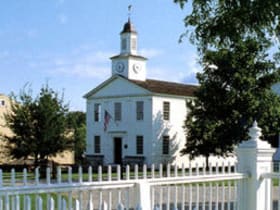
Genesee Country Village and Museum
28 miles away
People drive past on the way to the Finger Lakes without knowing New Yorks largest historic village is right here.

Canandaigua Lake
41 miles away
The Seneca called it The Chosen Spot, a clear seventeen-mile Finger Lake dropping to 276 feet.

Griffis Sculpture Park
41 miles away
Few people outside western New York know this exists, and it is one of the oldest sculpture parks in the country.