

Kisatchie National Forest
Natchitoches, LA
Natchitoches, LA
The one national forest in Louisiana, a rolling country of longleaf pine, red sandstone bluffs, and clear-running bayous unlike anything else in the state.
Kisatchie is the only national forest in Louisiana, more than half a million acres spread across several districts in the central and northern part of the state. It protects a landscape most people do not associate with Louisiana at all: rolling hills of longleaf pine, outcrops of red and buff sandstone, and clear bayous running over sand and gravel instead of the slow, dark water of the delta.
The scenic heart of the forest is the Kisatchie Hills, near Natchitoches, where sandstone bluffs, mesas, and pine ridges give the country a rugged, almost western feel. Trails, overlooks, and the beautiful Kisatchie Bayou make it one of the best places in the state to walk, wade, camp, and simply see a wilder side of Louisiana.
What Travelers Love
- The Longleaf Vista overlook and the sandstone-and-pine ridges of the Kisatchie Hills
- The Kisatchie Bayou, one of the clearest, prettiest streams in Louisiana, good for wading and paddling
- Hiking, backpacking, and horseback trails through longleaf pine and hardwood bottoms
- A rugged, uncrowded piece of Louisiana that feels more like the hill country than the delta
Worth Knowing
- The forest is spread across several districts, so decide which area you are visiting before you go
- Cell service is spotty in the backcountry, so download maps and tell someone your plan
- Summers are hot and humid with biting insects, so bring water and protection
- Some areas are open to hunting in season, so check dates and wear bright colors when appropriate
Learn about Kisatchie National Forest
The forest and the people of the piney woods
The name Kisatchie comes from a word tied to the region's Indigenous history, and this pine country has long been home to and traveled by Native peoples, including Caddo communities whose homelands stretched across northwestern Louisiana. The Adai Caddo and related groups lived in this landscape, and their presence is part of the deep history of the surrounding Cane River and Red River country.
The national forest itself was assembled during the 1930s, when much of the longleaf pine across the South had been cut over by decades of intensive logging. The federal government bought up depleted land and set it aside for recovery, and the Civilian Conservation Corps of the Great Depression built roads, trails, and facilities across it. The tall pine forest visitors enjoy today is in large part a landscape that was allowed and helped to grow back.
Sandstone hills in the middle of Louisiana
What surprises first-time visitors is the terrain. The Kisatchie Hills rise in ridges and flat-topped mesas of sandstone, some of the highest and most rugged ground in a state better known for being flat and low. The rock is soft enough that streams have cut small canyons and bluffs, and trails wind past exposed ledges and outcrops that look nothing like the coastal marshes to the south.
Running through it all is the Kisatchie Bayou, prized as one of the clearest and most scenic streams in Louisiana. Where most Louisiana water moves slow and tea-dark, the bayou here runs over sand and gravel bars, cool and clean, threading between wooded banks. It is a favorite spot for wading, paddling a canoe, and camping close to the water.
Longleaf pine and the life it shelters
The signature tree is the longleaf pine, once dominant across the southern coastal plain and now much reduced, which makes the stands here ecologically valuable. Longleaf forests depend on periodic low fire to stay open and healthy, and land managers use controlled burns to keep the grassy understory that supports the whole system. The result is a park-like woodland of tall, straight pines over wiregrass and wildflowers.
That habitat shelters a distinctive cast of wildlife, including the red-cockaded woodpecker, a small bird that nests in living old pines and is closely tied to longleaf forests. White-tailed deer, wild turkey, armadillos, and a variety of songbirds move through the woods, and the bayous and bottoms hold their own mix of amphibians, reptiles, and waterfowl. It is a living example of a southern forest that was nearly lost and is being brought back.
Getting out into Kisatchie
Because the forest is broken into separate districts, it helps to pick a destination first. The Kisatchie Hills area near Natchitoches offers the Longleaf Vista overlook, the Backbone hiking trail, and access to the Kisatchie Bayou, a good introduction to the scenery. Other districts add horseback trails, ATV areas, fishing lakes, and long-distance backpacking routes.
Come prepared for backcountry conditions: carry water, download maps, and be ready for heat and insects in the warm months. Fall and spring are the most comfortable times to hike, and cooler weather makes the sandstone-and-pine ridges especially pleasant. For a first visit, pairing the forest with nearby Natchitoches gives you both wilderness and one of the oldest towns in Louisiana.
Closest Boutels
The closest Boutel™ stays, so you can turn this stop into an overnight. Each is a place we chose through independent editorial review, never a paid placement.
Details
Natchitoches, LA
Frequently asked questions
What is the Kisatchie National Forest?
The Kisatchie National Forest, spread across central and northern Louisiana, is the only national forest in the state, a beautiful expanse of piney woods, bayous, sandstone hills, and bottomland offering wonderful outdoor recreation. The forest protects a scenic landscape of longleaf pine forests, hardwood bottoms, clear streams, and unusual sandstone outcrops, with hiking, biking, and horseback trails, camping, fishing, paddling, and wildlife, including the remarkable Kisatchie Hills Wilderness with its rugged mesas and bluffs. Its natural beauty and variety make it a treasured destination for those who love the outdoors. A scenic and diverse national forest, it delights visitors. With its forests and trails, Kisatchie offers a compelling destination in Louisiana.
What can you do at the Kisatchie National Forest?
You can hike, bike, and ride horseback on the trails, camp, fish and paddle the streams and lakes, watch for wildlife, and explore scenic areas like the Kisatchie Hills Wilderness with its rugged sandstone mesas and bluffs and the scenic Longleaf Trail. The forest trails, the camping, the streams and lakes, and the unusual sandstone scenery are the draws, making it a wonderful outdoor destination. The Kisatchie Hills and the piney woods are highlights. With its recreation, Kisatchie offers a rewarding experience in Louisiana.
What should I know before visiting the Kisatchie National Forest?
The Kisatchie is a large forest with remote areas, so bringing water, a map, and supplies, telling someone your plans, and being prepared for the terrain and weather are wise, especially on longer hikes. The southern climate brings heat, humidity, insects, and possible snakes, so sun protection, insect repellent, and staying alert help, and checking current conditions and any fire restrictions before you go is smart. Coming prepared for the forest setting ensures a safe, enjoyable visit to the Kisatchie National Forest in Louisiana.
When is the best time to visit the Kisatchie National Forest?
The milder months of fall through spring are the most pleasant for hiking, camping, and outdoor recreation in Louisiana's climate, avoiding the intense summer heat, humidity, and insects, with fall and spring especially comfortable. Because conditions vary, checking current information before you go is wise. For the most comfortable weather and best recreation, aim for fall through spring at the Kisatchie National Forest in Louisiana.
What is near the Kisatchie National Forest?
The Kisatchie National Forest spans central and northern Louisiana, within reach of Alexandria with the Kent Plantation House and the zoo, Natchitoches with its historic Front Street and the Cane River plantations, and the towns of central Louisiana. That makes the Kisatchie National Forest a compelling stop to combine with the attractions of the Alexandria and Natchitoches areas on a visit to Louisiana.
Nearby
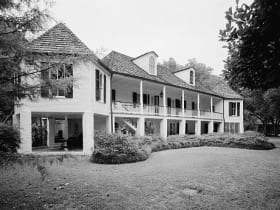
Melrose Plantation
8.8 miles away
This is a plantation story most people have never heard, and it upends expectations.
Kaffie-Frederick General Mercantile
20 miles away
Step inside and you step back more than a century. Kaffie-Frederick on Front Street has been Natchitoches' general store since 1863, the oldest in Louisiana, and it still works the way it always has:...
Cane River Front Street
20 miles away
For a quick taste of the oldest town in the Louisiana Purchase, park and walk Front Street in Natchitoches.