
Jimmy Carter Boyhood Farm
402 Old Plains Hwy
Plains, GA
The Depression-era farm without electricity where a future president learned to work the land, restored to the year he left for the Navy.
Jimmy Carter, the 39th president of the United States, spent his boyhood on a farm in the countryside outside Plains, Georgia, and that farm has been restored by the National Park Service to look as it did in the 1930s, when he was growing up there. The Carters moved to the farm in 1928, when Jimmy was a small child, and it is where he learned the rhythms of rural life that shaped him.
The farm had no electricity for most of Carter's childhood, and life ran on hard work, wells and windmills, and the seasons of cotton and peanuts. Walking the restored house, barns, and fields, with the recorded voice of the president himself telling the story, gives a rare, intimate sense of how one of America's leaders was actually raised.
What Travelers Love
- Walking the restored farmhouse, barns, and fields set to the 1930s of Carter's childhood
- The recorded voice of President Carter himself narrating parts of the site
- The commissary and the tenant houses that show the whole working farm
- The plain, honest sense of how a future president was actually raised
Worth Knowing
- The farm is one of several park sites around Plains, so pick up a map at the visitor center in town
- The farmhouse and grounds are outdoors and rural, so dress for the weather and expect walking
- Plains is very small, so plan your meals and fuel around a compact country town
- It pairs naturally with the Carter sites in Plains itself for a fuller day
Learn about Jimmy Carter Boyhood Farm
A boyhood on the land
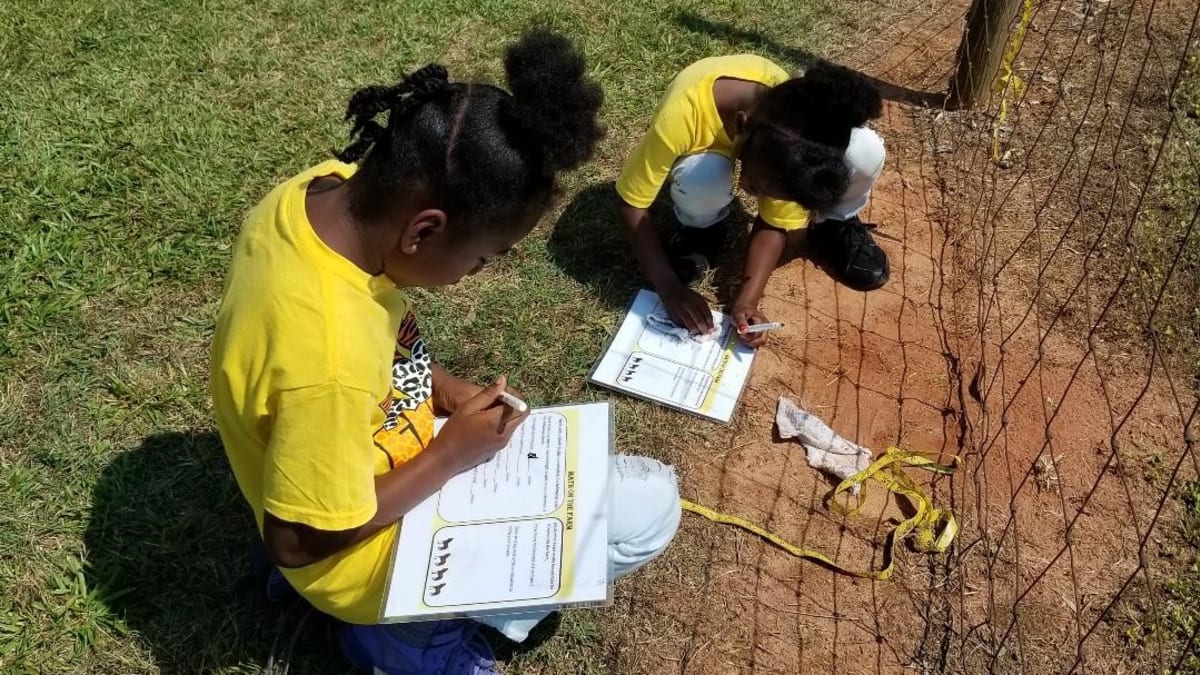
Earl Carter, Jimmy's father, ran the farm and a commissary store, growing cotton, peanuts, corn, and other crops with the labor of the family and of the tenant and hired workers who lived on the place. Young Jimmy did farm chores from an early age, pumping water, tending animals, and working the fields, and the discipline of that life stayed with him.
The restored site includes the farmhouse, the barns and outbuildings, the windmill and well, the commissary, and the tenant houses, giving a full picture of a working Depression-era Georgia farm. It is set to about 1937, and the plainness of the place, no electricity, simple furnishings, is part of the point.
Neighbors and the world of the farm
The farm was not just the Carter family. Most of the people the young Jimmy grew up around were Black families who worked and lived on the land, and he later wrote about how much those neighbors and playmates shaped him, and about the deep injustice of the segregation that governed their lives even as they lived side by side.
The site does not hide that history. The tenant houses and the commissary tell the story of the whole community of the farm, the sharecropping and hired labor that made it run, and the racial world of the rural South in the 1930s that Carter would later confront as a public figure.
From Plains to the presidency
Carter left the farm as a young man for the U.S. Naval Academy and a career as a submarine officer, but when his father died he returned to Plains to run the family peanut business. From that base he entered Georgia politics, rose to governor, and in 1976 was elected president, a peanut farmer from a town of a few hundred people who reached the White House.
Plains remained his home for the rest of his long life. The national historical park ties together the boyhood farm, his old high school, which serves as the visitor center, the train depot that was his campaign headquarters, and other sites, telling a single story rooted entirely in this small patch of southwest Georgia.
The land around Plains
Southwest Georgia is quiet farm country, red-dirt roads and fields of peanuts and cotton stretching to pine woods. It was Muscogee, or Creek, homeland before it was farmland, and the Creek were forced west in the 1800s. The rural landscape Carter knew as a boy has changed remarkably little, which is part of why the farm feels so authentic.
The town of Plains itself is barely more than a single main street, and it wears its connection to Carter openly, with his old peanut warehouse, church, and family sites all close at hand. A visit to the boyhood farm and the town together is a compact, moving portrait of an American life that began and ended in the same small place.
Closest Boutels
The closest Boutel™ stays, so you can turn this stop into an overnight. Each is a place we chose through independent editorial review, never a paid placement.
Details
Plains, GA
Frequently asked questions
What is the Jimmy Carter Boyhood Farm?
The Jimmy Carter Boyhood Farm, in Plains, Georgia, is part of the Jimmy Carter National Historical Park, preserving the rural farm where Jimmy Carter, the thirty-ninth president of the United States, grew up during the Great Depression. The restored farm, with its farmhouse, outbuildings, and grounds, shows the simple, agricultural way of life that shaped the future president, who was raised here without electricity or running water in his early years. The site interprets Carter's boyhood, farm life, and the history of the era, including the African American families and farm workers who lived and labored alongside the Carters, an important part of the story. With its presidential and farm history, the Jimmy Carter Boyhood Farm offers a fascinating destination in Georgia.
What can you see at the Jimmy Carter Boyhood Farm?
You can tour the restored farmhouse and outbuildings where Jimmy Carter grew up, walk the grounds and fields, learn about his rural boyhood, Depression-era farm life, and the values that shaped him, and see how the family and the African American families and workers who lived and labored on the farm made their lives. The restored farm, the insight into Carter's upbringing, and the honest interpretation of rural and racial history are the draws, offering a meaningful and educational experience. As a National Park Service site, admission is largely free. With its farm and history, the Jimmy Carter Boyhood Farm offers an engaging visit in Georgia.
Who was Jimmy Carter?
Jimmy Carter was the thirty-ninth president of the United States, a Georgia peanut farmer and former governor who rose to the presidency and later became a renowned humanitarian, Nobel Peace Prize laureate, and advocate for peace, human rights, and service through decades after his presidency. He grew up on the family farm near Plains, Georgia, an upbringing that shaped his character and values. The boyhood farm and the wider Jimmy Carter National Historical Park in Plains preserve his roots. Understanding Carter's life enriches a visit to the Jimmy Carter Boyhood Farm in Georgia.
When is the best time to visit the Jimmy Carter Boyhood Farm?
The mild months of spring through fall offer the most pleasant weather for exploring the outdoor farm, farmhouse, and grounds, while summer can be hot and humid, so mornings help. The nearby town of Plains and the wider Jimmy Carter National Historical Park sites can be explored too. Because hours can vary, checking the current schedule before you go is wise. For the most comfortable weather to explore the farm, aim for spring or fall at the Jimmy Carter Boyhood Farm in Georgia.
What is near the Jimmy Carter Boyhood Farm?
The Jimmy Carter Boyhood Farm is in Plains, Georgia, part of the Jimmy Carter National Historical Park, within reach of the town of Plains and its other Carter sites, Providence Canyon State Park, the National Infantry Museum in Columbus, and southwestern Georgia. That makes the Jimmy Carter Boyhood Farm a fascinating stop to combine with the Plains Carter sites and the other attractions of southwestern Georgia on a visit to the state.
Nearby

Providence Canyon State Park
29 miles away
It looks like a slice of the desert Southwest dropped into south Georgia, and hardly anyone outside the state knows it is here.
Ray Charles Plaza
35 miles away
Albany does not always make the tourist maps, but this riverfront tribute is worth the stop.
Flint RiverQuarium
35 miles away
A right-sized aquarium that does not wear kids out. The Flint RiverQuarium in Albany is built around a 175,000-gallon open tank recreating a blue hole, one of the deep limestone springs that feed the...