

Estero Bluffs State Park
Highway 1 north of Cayucos
Cayucos, CA
A gently sloping shelf of coastal prairie above the surf, with a string of pocket coves and tide pools, and almost nothing built on it.
Estero Bluffs is the wild, undeveloped coast just north of Cayucos, a broad shelf of coastal prairie that slopes gently to a low, broken shoreline. There is no visitor center and no parking lot, only pullouts on Highway 1 and a network of informal paths across the grass, which is exactly what makes it feel like a secret. You walk out over the terrace with the ocean spread wide, and one by one small coves and rocky points open up below.
It is a place for a slow, quiet walk rather than a headline sight. Harbor seals rest on the rocks, shorebirds work the tide line, and in spring the terrace greens up and blooms, all of it protected as a state park precisely so this stretch would stay empty.
What Travelers Love
- A quiet, level bluff-top walk with the open ocean the whole way and hardly anyone on it
- Hidden coves and tide pools you can drop down to at low tide
- Harbor seals hauled out, and sometimes pupping, on the rocks and small beaches
- Wildflowers on the coastal terrace in spring and easy, undeveloped access
Worth Knowing
- There are no facilities here, just pullouts along the highway and informal trails, so bring what you need
- Time the tide pools and coves for low tide, and never turn your back on the surf
- Give hauled-out seals plenty of space, especially in pupping season, so you do not spook them
- It is often windy and cool on the exposed bluff, so pack a layer
Learn about Estero Bluffs State Park
A marine terrace above the sea
The flat, tilted shelf you walk across is a marine terrace, an old sea floor lifted above the waves by the slow rise of this tectonically active coast and then planed flat. Over time the ocean has cut a new, low cliff line into its seaward edge, leaving the string of little coves, points, and sea-stack rocks that give the park its texture.
Because the terrace is broad and only gently sloped, the walking is easy and open, and the coves feel like small discoveries rather than hard-won destinations. San Geronimo Creek reaches the sea here through a small estuary, adding a patch of wetland to the mix of habitats.
The Chumash shore
This coast is the homeland of the Northern Chumash, who lived along Estero Bay and its creek mouths, gathering shellfish and fishing these same coves and points for thousands of years. Chumash people remain part of the Central Coast community today.
The land later passed through generations of coastal ranching, and it was only relatively recently protected as a state park, which is why it has stayed so undeveloped. Walking it, you get a sense of what much of this coast looked like before the towns and highways arrived.
Seals, birds, and tide pools
The rocks and small beaches of Estero Bluffs are a haul-out for harbor seals, which rest here and sometimes give birth to pups in spring, so this is a place to keep your distance and let them be. Offshore, sea otters float in the kelp and gray whales pass on their winter migration.
At low tide the rocky coves reveal tide pools full of anemones, crabs, snails, and sea stars, and the wet edges draw sandpipers, willets, oystercatchers, and gulls. Overhead you may see brown pelicans, cormorants, and raptors hunting the open terrace.
Seasons on the bluff
Spring is the showy season, when winter rain turns the terrace green and coastal wildflowers bloom above the surf. Summer brings the Central Coast's steady rhythm of foggy mornings burning off to bright afternoons, and it is often windy.
Autumn tends to be the clearest and calmest time of all, and winter brings storm swells that crash against the coves and the chance of migrating whales offshore. In any season the appeal is the same: a long, quiet walk on a coast that has been left alone.
Closest Boutels
The closest Boutel™ stays, so you can turn this stop into an overnight. Each is a place we chose through independent editorial review, never a paid placement.
Details
Cayucos, CA
Frequently asked questions
What is Estero Bluffs State Park?
Estero Bluffs State Park is a beautiful, low-key coastal park stretching along the shoreline just north of Cayucos on California's Central Coast. Preserving a wild, undeveloped expanse of oceanfront bluffs, coves, tide pools, and grassy terraces, it offers easy coastal trails with sweeping views, abundant wildlife, and a peaceful, uncrowded atmosphere. Free from development, Estero Bluffs is a lovely spot for walking along the bluffs, watching for whales, seals, and shorebirds, exploring hidden coves and tide pools, and soaking up the natural, unspoiled beauty of the Central Coast shoreline.
What can you do at Estero Bluffs State Park?
You can walk the gentle bluff-top and shoreline trails for beautiful ocean views, explore hidden coves and tide pools at low tide, watch for wildlife including seals, sea otters, shorebirds, and, offshore, migrating whales, and enjoy the peaceful, wild scenery. The relatively flat, easy trails make it accessible for a relaxed coastal stroll. Beachcombing and photography are rewarding too. With its quiet trails, coves, tide pools, and wildlife, Estero Bluffs offers a serene and scenic way to enjoy the unspoiled Central Coast just outside the charming town of Cayucos.
What safety tips apply at Estero Bluffs State Park?
The coastline has cold water, powerful surf, and dangerous sneaker waves, so keep well back from the water, never turn your back on the ocean, and be cautious on slippery rocks when tide pooling, watching the tides so you are not cut off. Stay back from unstable bluff edges, wear good shoes, and be mindful of wildlife. The trails are mostly gentle but exposed to wind and sun, so bring layers and water. Enjoying the scenery from a safe distance from the surf and cliff edges keeps a visit safe.
When is the best time to visit Estero Bluffs State Park?
The park is lovely year-round, with spring bringing wildflowers and green bluffs, winter and spring offering whale watching offshore, and low tide any season ideal for tide pooling. Clear days provide the best coastal views, though fog can roll in and often clears by midday. Mornings are peaceful and good for wildlife. The mild climate makes any season pleasant. For the best combination of scenery, wildlife, and tide pools, aim for a clear day timed around low tide, especially in the wildflower season of spring.
What is near Estero Bluffs State Park?
Estero Bluffs is just north of Cayucos on the San Luis Obispo County coast, near Morro Bay with its iconic Morro Rock to the south, and the charming town of Cambria with Moonstone Beach and Hearst Castle to the north, with Montana de Oro State Park and San Luis Obispo within reach. That makes Estero Bluffs a peaceful, scenic stop to combine with Cayucos, Morro Bay, Cambria, and the beautiful beach towns and coastline of the Central Coast on a California road trip.
Outside the Park

Cayucos Pier
3.1 miles away
The Cayucos Pier was built in 1872 by Captain James Cass, who founded the town as a shipping and cattle-loading port for the surrounding ranch country.
Morro Rock
7.9 miles away
Morro Rock is a 576-foot volcanic plug rising straight out of the Pacific at the mouth of Morro Bay, about 40 minutes west of Paso Robles by way of Highway 46 and Highway 1.
Fiscalini Ranch Preserve
11 miles away
A 430-acre coastal preserve at Cambria that the town saved from development in 2000, with a mile of ocean bluff trail and one of the last native Monterey pine forests on earth.
Moonstone Beach Boardwalk
12 miles away
A mostly level, mile-long clifftop boardwalk along Cambria's shore, over marine-sanctuary tide pools and driftwood coves, with beachcombing for the smooth moonstones that name the beach.

Montana de Oro State Park
13 miles away
One of the largest and wildest state parks on the California coast, eight thousand acres of sandstone sea bluffs, tide pools, and canyons south of Los Osos.
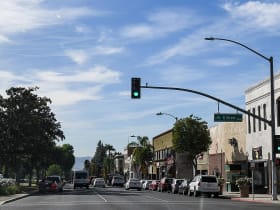
Downtown City Park
19 miles away
A rare, real two-block town square in the middle of Paso Robles wine country, shaded by old trees and anchored by an 1890s bandstand and the red-brick 1908 Carnegie Library, now the town history museu...
Hearst Castle
20 miles away
Hearst Castle is one of the most unusual buildings in the United States - a 165-room hilltop estate built by newspaper magnate William Randolph Hearst and architect Julia Morgan beginning in 1919, nev...