
Eastern State Penitentiary
2027 Fairmount Ave, Philadelphia, PA
Philadelphia, PA
A crumbling stone castle in the middle of Philadelphia where the modern prison was invented, its long vaulted cellblocks now standing silent and open to the sky.
Eastern State Penitentiary looks like a medieval castle dropped into a Philadelphia neighborhood, a fortress of stone walls and battlements that once held some of the country's most famous prisoners. Opened in 1829, it was one of the most expensive and influential buildings of its era, and its radical design shaped prisons across the United States and around the world.
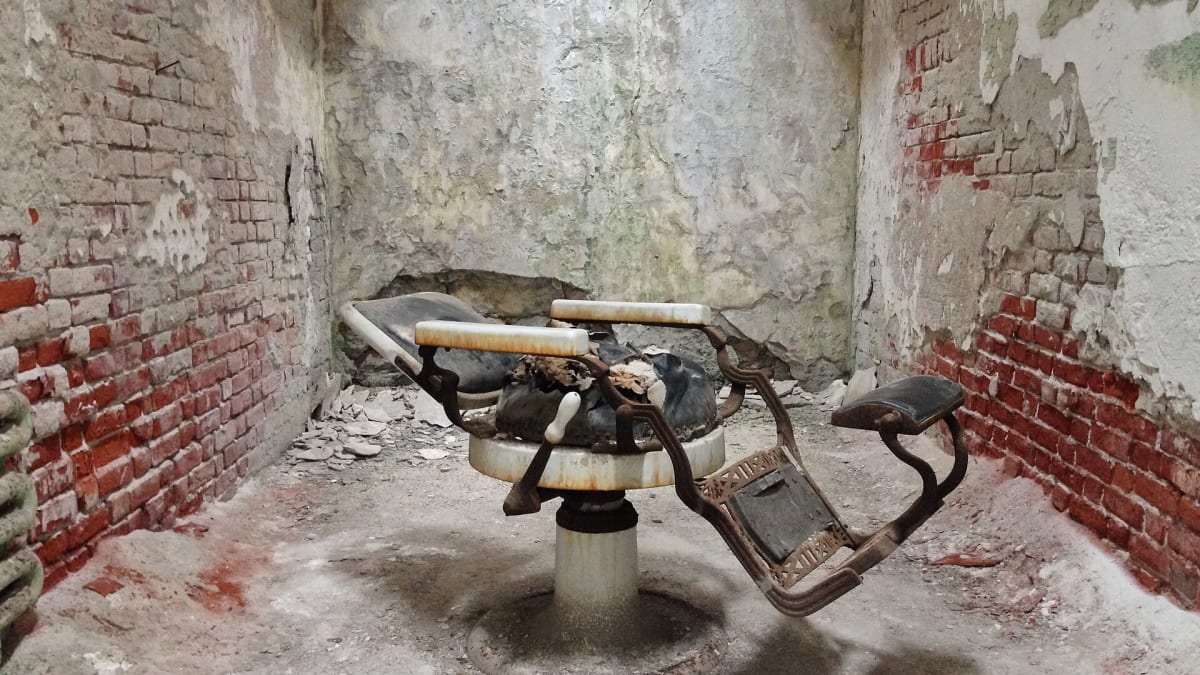
Today it stands as a stabilized ruin and museum, its long vaulted cellblocks open to visitors to walk through amid peeling paint, rusted bars, and shafts of daylight. It is a haunting, beautiful, and troubling place that tells the story of an experiment in punishment, the reform that was intended, and the human cost that followed.
What Travelers Love
- Wandering the vaulted, decaying cellblocks with their peeling paint and shafts of light
- The cell once occupied by Al Capone, restored to how he is said to have kept it
- The powerful story of an experiment that reshaped prisons around the world
- Thoughtful exhibits on crime, punishment, and justice woven through the ruins
Worth Knowing
- The site is a stabilized ruin, so paths can be uneven and some areas are weather-dependent
- Audio tours and exhibits carry the history, and self-guided visits let you set your own pace
- It hosts a popular haunted attraction in autumn, which is a separate, ticketed event
- It is a sober historic site as much as a spooky one, so allow time to take in the exhibits
Learn about Eastern State Penitentiary
The prison that invented solitude
When Eastern State opened in 1829 it introduced a bold and untested idea: that criminals could be reformed through isolation and reflection rather than physical punishment. Prisoners were kept alone in individual cells, each with its own small exercise yard, meant to spend their days in silence, labor, and penitence, the very word that gives us penitentiary.
The building was designed around a central hub with long cellblocks radiating outward like spokes, so a single guard could look down every corridor. This wagon-wheel plan and the system of solitary confinement were copied by hundreds of prisons worldwide, making Eastern State one of the most influential buildings of the nineteenth century, for good and for ill.
Fame, cruelty, and doubt
Over its long life the prison held some famous inmates, most notoriously the gangster Al Capone, whose cell has been restored to reflect the comparatively comfortable way he is said to have lived there. Bank robber Willie Sutton and others also passed through its cells, and their stories add to the place's grim celebrity.
The idealism behind the solitary system did not survive contact with reality. Critics, including the visiting writer Charles Dickens, came away disturbed by the effects of total isolation, and over time the crowding and the strain of the system produced cruelty and suffering the founders had not intended. The prison finally closed in the 1970s and sat abandoned for years before reopening as a museum.
A ruin that tells the truth
Rather than restore the building to a polished state, its stewards chose to stabilize it as a ruin, preserving the peeling paint, rusting steel, and crumbling plaster that give it such atmosphere. Walking the long, silent cellblocks with light falling through broken skylights is an unforgettable experience, moving and unsettling at once.
Woven through the ruins are exhibits that refuse to let the visit be only about atmosphere, taking on hard questions of crime, punishment, and the modern American prison system. The museum uses its own dramatic history to prompt reflection on justice today, which is a large part of what lifts it above an ordinary spooky attraction.
Visiting and the season of ghosts
Most of the year Eastern State is a daytime historic site, explored with an audio guide and interpretive exhibits at your own pace through the cellblocks and yards. Because much of the site is open to the weather, conditions underfoot vary, and comfortable shoes and a check of the forecast are wise.
In autumn the penitentiary transforms into one of the city's best-known haunted attractions, a separate ticketed event that leans into the building's eerie reputation for the Halloween season. Whether you come for the history or the frights, it is a place that lingers in the memory long after you leave.
Closest Boutels
The closest Boutel™ stays, so you can turn this stop into an overnight. Each is a place we chose through independent editorial review, never a paid placement.
Travelers Rest Motel
Honorable Mention3701 Old Philadelphia Pike, Intercourse, PA
49 miles away|Learn More ›
Details
Philadelphia, PA
Frequently asked questions
What is Eastern State Penitentiary?
Eastern State Penitentiary is a massive, hauntingly beautiful former prison in Philadelphia, once the most famous and expensive prison in the world and the very first true penitentiary, designed with radiating cellblocks and solitary confinement to inspire penitence in inmates. Now a preserved historic site and museum, its crumbling cellblocks and vaulted corridors offer a powerful, atmospheric look at the history of American incarceration, making it one of the city's most distinctive and thought-provoking attractions.
What can you see at Eastern State Penitentiary?
Tours take you through the eerie cellblocks, solitary punishment cells, and Death Row, and to the notorious cell where gangster Al Capone was held, restored to show his surprisingly comfortable accommodations. Throughout, exhibits and art installations explore the prison's history and broader questions about criminal justice. Look out for Hands-On History pop-up demonstrations during the day, which reveal areas and stories not part of the standard route, adding depth to a visit.
How do you tour Eastern State Penitentiary?
You can explore with an excellent self-guided audio tour, which lets you go at your own pace, or join a guide-led tour for a livelier experience, and seasonal evening tours are sometimes offered. Each fall, the site also hosts a famous, elaborate Halloween haunted attraction. The audio tour is well produced and widely praised, so many visitors are happy simply following it through the vast, atmospheric ruins at their own speed.
What should I know before visiting Eastern State Penitentiary?
Importantly, the historic building has no climate control, so dress for the outdoor weather, whether that means bundling up in winter or staying cool in summer, and wear comfortable shoes for the uneven ground and ruins. The prison's grim history and shadowy, decaying cellblocks can be intense or frightening, so it is generally not recommended for young children. Buying timed tickets, especially in busy periods, helps ensure smooth entry.
What is near Eastern State Penitentiary?
The penitentiary sits in Philadelphia's Fairmount neighborhood, within easy reach of the Philadelphia Museum of Art and its famous Rocky steps, the Barnes Foundation, and the Benjamin Franklin Parkway's cluster of museums. The neighborhood offers plenty of dining as well. That central location makes it easy to combine a visit to this unique historic prison with the art, culture, and green space of central Philadelphia for a full and varied day.
Nearby

Independence Hall and the Liberty Bell
1.8 miles away
This is the founding-story stop, and it works for kids in short, digestible pieces.
Philadelphia's Magic Gardens
1.9 miles away
Most visitors chasing the historic district never make it down to South Street to find this.

Elfreth's Alley
1.9 miles away
The oldest continuously inhabited residential street in the United States, a narrow cobblestone lane in Old City Philadelphia lined with small brick rowhouses that date to the early 1700s.

Adventure Aquarium
2.7 miles away
A big, full-day aquarium that holds kids of a wide age range. Adventure Aquarium on the Camden waterfront has a large shark tank you cross on a see-through bridge, a pair of hippos, penguins, sea turt...

Battleship New Jersey
2.9 miles away
It is easy to focus on Camdens aquarium and miss the gray steel giant docked beside it.

Ridley Creek State Park
15 miles away
A big block of quiet forest a short drive from the city, Ridley Creek State Park near Media wraps 2,600 wooded acres around the valley of Ridley Creek.
Wharton Esherick Museum
20 miles away
Almost nobody stumbles onto this, and you cannot just walk up: the Wharton Esherick Museum on Horseshoe Trail near Malvern is by advance reservation only.