

Columbia National Wildlife Refuge
735 E Main St
Othello, WA
A maze of basalt channels and desert lakes that fills each spring with the calls of tens of thousands of sandhill cranes.
The Columbia National Wildlife Refuge is one of the great surprises of eastern Washington: a stretch of desert that turns out to be full of water. Between rocky ridges and coulee walls lie dozens of lakes and marshes, and each spring the sky fills with sandhill cranes, whose rolling, prehistoric calls carry for miles.
The refuge sits in the channeled scablands, a landscape carved by the Ice Age floods into a maze of channels, potholes, and cliffs. That rough terrain, combined with the water, makes it one of the richest wildlife areas in the interior Northwest and a magnet for birders.
What Travelers Love
- The spring return of sandhill cranes, a huge share of the whole Pacific Coast population passing through
- Driving and hiking among the flood-carved channels of the Drumheller Channels landmark
- Quiet desert lakes tucked below basalt cliffs, alive with birds
- The Othello Sandhill Crane Festival, timed to the peak of the crane migration
Worth Knowing
- The crane spectacle peaks in early spring, roughly March; outside that window the refuge is quieter
- This is high desert with few services and rough back roads; some areas close seasonally to protect nesting birds
- Summer is hot and shadeless, and rattlesnakes live in the rocks, so plan and dress accordingly
- Bring binoculars and a spotting scope if you have them; much of the wildlife is at a distance
Learn about Columbia National Wildlife Refuge
The Drumheller Channels
The heart of the refuge is the Drumheller Channels, recognized as a National Natural Landmark for being one of the finest examples of scabland topography anywhere. It is a bewildering tangle of more than a hundred separate channels and countless rock basins.
The channels were cut by the Missoula floods, the same catastrophic Ice Age torrents that carved Dry Falls and the Grand Coulee. As the floodwaters tore across the basalt plateau, they braided into many channels at once here, scouring the rock into the strange, broken country you see today, and leaving basins that now hold water.
The sandhill cranes
Each spring, the refuge and the fields around Othello host a remarkable gathering of sandhill cranes, a very large portion of the entire Pacific Coast population stopping to feed and rest on their way north. Tall, gray, and red-crowned, they stalk the fields by day and gather in wetlands to roost, their bugling calls filling the air.
The town of Othello celebrates the migration with a Sandhill Crane Festival built around guided tours and viewing, and for many visitors it is the reason to come. The cranes are the headline, but they share the refuge with a great cast of other birds.
A desert full of birds
Beyond the cranes, the refuge is a magnet for waterfowl, from ducks and geese to grebes and pelicans, and for raptors that hunt the open country. The mix of open water, marsh, and dry shrub-steppe supports an unusually long bird list for the interior desert.
Trails and refuge roads lead to lakes tucked below the cliffs, some of the prettiest quiet corners in the scablands, where the contrast of blue water and black rock is at its sharpest.
Wildlife and seasons
Away from the water, the shrub-steppe holds mule deer, coyotes, badgers, marmots, and rattlesnakes, along with sagebrush specialties among the songbirds. The lakes hold fish, and some are open to seasonal angling.
Spring is the standout, cool and green and full of migrating birds, especially the cranes. Summer is hot and the refuge quiets down, fall brings another wave of waterfowl, and winter is cold and stark on the open plateau.
Closest Boutels
The closest Boutel™ stays, so you can turn this stop into an overnight. Each is a place we chose through independent editorial review, never a paid placement.
Walla Walla Garden Motel
Honorable Mention2279 E Isaacs Ave, Walla Walla, WA
74 miles away|Learn More ›
Details
Othello, WA
Frequently asked questions
What is Columbia National Wildlife Refuge?
Columbia National Wildlife Refuge, near the town of Othello in central Washington, protects a striking landscape of rugged basalt cliffs, canyons, lakes, and wetlands within the Channeled Scablands carved by the Ice Age floods. This diverse habitat, dotted with pothole lakes amid the dramatic coulee terrain, provides important refuge for abundant wildlife, especially birds, making it a superb destination for birdwatching. The refuge is particularly famous as a spring stopover for large numbers of migrating sandhill cranes, celebrated with the Othello Sandhill Crane Festival. With its dramatic scablands scenery, lakes, trails, and rich birdlife, Columbia National Wildlife Refuge offers rewarding wildlife viewing and hiking in central Washington.
What can you do at Columbia National Wildlife Refuge?
You can hike trails through the dramatic scablands terrain of basalt cliffs, canyons, and lakes, watch for abundant birds and wildlife, especially waterfowl and the migrating sandhill cranes in spring, fish in some of the lakes, birdwatch, and photograph the striking landscape and wildlife. The refuge's mix of cliffs, water, and wetlands supports rich birdlife. Bringing binoculars enhances the experience. The Crab Creek and pothole-lake areas are scenic. With its scablands scenery, hiking trails, lakes, and exceptional birdwatching, Columbia National Wildlife Refuge offers a rewarding outdoor and wildlife-viewing experience in central Washington.
When can you see sandhill cranes at Columbia National Wildlife Refuge?
Large numbers of migrating sandhill cranes stop over in the Othello area near Columbia National Wildlife Refuge during their spring migration, typically in late winter into spring, roughly around February and March, when thousands of the birds gather in the fields and wetlands, creating a spectacular sight. The area celebrates this with the annual Othello Sandhill Crane Festival, usually held in spring. For the best chance to see the cranes, plan a visit during the spring migration and check the festival dates, when the sandhill cranes are present in abundance around the refuge and the Othello area.
When is the best time to visit Columbia National Wildlife Refuge?
Spring is a wonderful time, bringing the spectacular sandhill crane migration and the crane festival, along with wildflowers and pleasant weather, while fall migration also offers good birdwatching, and spring and fall provide comfortable temperatures for hiking the exposed scablands. Summer can be hot, so early visits with water are best then, and winter is cold. Dawn and dusk are prime for wildlife. For the cranes and the best birdwatching and comfortable weather, aim for spring, at Columbia National Wildlife Refuge, timing a visit around the crane migration for the fullest experience.
What is near Columbia National Wildlife Refuge?
Columbia National Wildlife Refuge is near the town of Othello in central Washington, within the Channeled Scablands, near the Potholes Reservoir and the town of Moses Lake, and within reach of the dramatic Dry Falls and Grand Coulee country to the north and the Columbia River. That makes Columbia National Wildlife Refuge a rewarding birding and hiking stop to combine with the scablands attractions, Dry Falls, and the other natural sights of central and eastern Washington on a visit to the state.
Nearby
Wild Horse Monument
29 miles away
The monument is reached from I-90 exit 139 just east of the Vantage bridge; follow the pavement a short way to the parking lot.
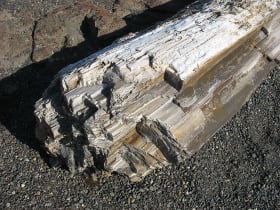
Ginkgo Petrified Forest State Park
30 miles away
Ginkgo Petrified Forest State Park near Vantage preserves 15-million-year-old petrified logs of the ginkgo tree - a species now native only to China - embedded in basalt flows above the Columbia River...

Lake Lenore Caves
45 miles away
The Lake Lenore Caves trailhead is off SR-17 in the coulee south of Coulee City and Dry Falls.