Colorado Gators Reptile Park
9124 Ln 9 N, Mosca, CO
Mosca, CO
An improbable alligator sanctuary thriving on warm geothermal spring water high in Colorado's cold San Luis Valley.
Colorado Gators is one of the state's most improbable attractions, an alligator park and reptile sanctuary set high on the floor of the cold San Luis Valley, one of the last places you would expect to find hundreds of alligators. The secret is geothermal spring water: the farm sits atop a warm underground source that keeps ponds ice-free even in a hard mountain winter.
The place began not as a zoo but as a fish farm raising tilapia in that warm water. A handful of young alligators were brought in to help dispose of dead fish, and as word spread, the farm became a haven for unwanted and rescued reptiles of all kinds. Today it operates as a sanctuary and educational park, home to alligators along with rescued snakes, turtles, and other creatures.
What Travelers Love
- The sheer surprise of alligators thriving in the high Colorado desert
- A hands-on, offbeat park where you can get close to reptiles
- The story of a fish farm that became a rescue sanctuary
- A genuinely one-of-a-kind roadside stop near the Great Sand Dunes
Worth Knowing
- The valley sits at high elevation, so expect strong sun and cool, changeable weather
- It is an outdoor working farm and sanctuary, so dress for wind, sun, and dust
- Follow all staff instructions closely around the animals for your safety and theirs
- It pairs naturally with a visit to the nearby Great Sand Dunes
Learn about Colorado Gators Reptile Park
From fish farm to gator sanctuary
The farm was founded to raise tilapia, a warm-water fish, using the geothermal spring that bubbles up beneath the property. That naturally heated water made an unusual kind of fish farming possible in a place otherwise far too cold for it, and the operation grew around that resource.
The alligators arrived almost by accident. A small group was brought in to help clean up fish waste, and they thrived in the warm ponds. As their story spread, people began asking the farm to take in unwanted pet reptiles and rescues, and over time that role grew until the sanctuary became the park's true purpose, giving a home to animals that had nowhere else to go.
The warm-water secret
The San Luis Valley is one of the highest and coldest large valleys in the country, with bitter winters and thin mountain air, hardly alligator country. What makes the park possible is the geothermal water rising from below, warm enough to keep the ponds open and the reptiles comfortable through the seasons.
That warm spring is the whole reason the sanctuary can exist where it does, a small pocket of subtropical life sustained by heat from deep in the earth. Standing among the gators with snow-capped peaks on the horizon is a vivid lesson in how geology can create the most unexpected of habitats.
A hands-on sanctuary
Beyond the alligators, the park has grown into a refuge for a wide range of rescued animals, including many snakes, turtles, tortoises, and other reptiles surrendered by owners who could no longer care for them. It presents itself as an educational sanctuary, using the animals to teach visitors about reptiles and responsible pet ownership.
The experience is refreshingly hands-on and unpolished compared with a big-city zoo. Under staff guidance, visitors can get close to the animals and learn their stories, and the informal, working-farm feel is a big part of the park's offbeat charm.
Season by season
Spring is cool and often windy in the high valley, with the surrounding peaks still snow-capped and the reptiles active in their warm ponds.
Summer brings warm, sunny days, the most comfortable time to explore the outdoor park, though afternoon storms can roll through the valley.
Fall is crisp and clear, with golden light across the valley and thinner crowds, a fine time to combine the park with the nearby dunes.
Winter is cold and stark on the valley floor, yet the geothermal water keeps the sanctuary running, and seeing gators amid the snow is a striking sight.
Closest Boutels
The closest Boutel™ stays, so you can turn this stop into an overnight. Each is a place we chose through independent editorial review, never a paid placement.
Details
Mosca, CO
Frequently asked questions
What is the Colorado Gators Reptile Park?
The Colorado Gators Reptile Park, near Mosca in the San Luis Valley of southern Colorado, is a delightfully unexpected attraction: an alligator farm and reptile park thriving in the high-altitude desert, made possible by a natural geothermal well that provides warm water. Home to hundreds of alligators along with other reptiles, tortoises, snakes, and rescued animals, this quirky and fun park lets visitors see the gators, learn about them, and even, for the brave, hold a small one. A memorable and offbeat stop, the Colorado Gators Reptile Park offers a surprising and entertaining wildlife experience in an unlikely desert setting.
Why are there alligators in Colorado?
The alligators at the Colorado Gators Reptile Park are able to live in the high, cold San Luis Valley thanks to a natural geothermal well that supplies warm water, keeping the gators comfortable even in Colorado's cold climate. The park began as a fish farm using the warm water and brought in alligators to help dispose of fish waste, and it grew into the reptile park it is today, also taking in rescued and unwanted reptiles and animals. This unusual combination of geothermal warmth and a fish farm is what makes an alligator park possible in an otherwise unlikely Colorado desert location.
What can you do at the Colorado Gators Reptile Park?
You can walk the grounds to see the many alligators in their ponds, view other reptiles, tortoises, snakes, and rescued animals, learn about the creatures and the park's story, and, for the adventurous, take part in experiences like holding a small alligator or, for the truly bold, hands-on gator-handling classes. The park's quirky, hands-on character makes it especially memorable. With its alligators, diverse reptiles, rescued animals, and unusual desert setting, the Colorado Gators Reptile Park offers a fun, educational, and offbeat outing that surprises and delights visitors of all ages in southern Colorado.
When is the best time to visit the Colorado Gators Reptile Park?
The park is open year-round, and while the alligators are kept warm by the geothermal water in any season, the warmer months from late spring through early fall offer the most comfortable weather for walking the outdoor grounds, and the gators tend to be more active in warm weather. Winter visits can be interesting, with the gators in the warm water amid the cold, snowy landscape, but dress warmly. For the most pleasant weather and active animals, aim for the warmer months, though this quirky park is a fun stop any time of year.
What is near the Colorado Gators Reptile Park?
The reptile park is near Mosca and Alamosa in the San Luis Valley of southern Colorado, close to the spectacular Great Sand Dunes National Park, the quirky UFO Watchtower in Hooper, and within reach of the historic towns and scenery of the valley and the Sangre de Cristo Mountains. That makes the Colorado Gators Reptile Park a fun and offbeat stop to combine with Great Sand Dunes National Park, the UFO Watchtower, and the other attractions of the San Luis Valley on a visit to southern Colorado.
Nearby
UFO Watchtower
5.8 miles away
In the flat, wide San Luis Valley, a former cattle rancher named Judy Messoline built a small observation platform in 2000 after hearing how many people reported strange lights over the valley.
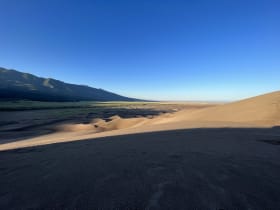
Great Sand Dunes National Park
16 miles away
The tallest dunes in North America, piled against the Sangre de Cristo Mountains with a creek at their feet.

Star Dune
16 miles away
Star Dune is the tallest dune in North America, rising some 741 feet from base to crest deep in the heart of the Great Sand Dunes field.

Medano Creek
19 miles away
Medano Creek is a wide, shallow stream that flows along the base of the Great Sand Dunes each spring and early summer, creating a natural sandy beach in the middle of the Colorado high desert.

Mosca Pass Trail
20 miles away
The Mosca Pass Trail climbs from the forests near the visitor center up a mountain creek to Mosca Pass, offering a cool, green contrast to the great dune field below.
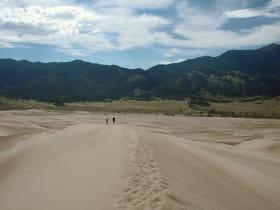
High Dune
20 miles away
High Dune is the classic climb at Great Sand Dunes National Park, the tall crest rising straight ahead from the main parking area and the goal of most visitors who venture onto the dunes.