Cinnamon Bay
Cinnamon Bay, Virgin Islands National Park, St. John, VI
St. John, VI
A long north-shore beach with swimming, watersports, and plantation ruins.
Cinnamon Bay is the longest beach on St. John, a broad sweep of sand and clear water on the island's north shore, backed by a historic sugar estate and forested hills. Popular for swimming, snorkeling, and windsurfing, it offers a more spacious, relaxed beach experience than some of the smaller coves, with plenty of room to spread out along the shore.
Beyond the beach, Cinnamon Bay holds the ruins of an old sugar plantation and a short nature trail that winds among them and into the tropical forest, blending a day at the beach with a touch of history and nature. With a campground area nearby, it has long served as a hub for exploring the north shore of Virgin Islands National Park.
What Travelers Love
- The longest beach on St. John
- Swimming, snorkeling, and windsurfing
- Historic sugar-plantation ruins nearby
- A shady nature trail through the ruins and forest
Worth Knowing
- It is inside Virgin Islands National Park, on St. John
- Watersport rentals may be available seasonally
- There is a nature trail and historic ruins to explore
- Bring water and sun protection; shade is limited
Learn about Cinnamon Bay
Beach and watersports
Cinnamon Bay's long stretch of sand and calm, clear water make it a fine place to swim, wade, and relax, with room to find your own quiet spot even when other beaches feel crowded. Snorkeling around the bay and its offshore cay can reveal coral and fish, and the bay's exposure to the trade winds makes it a favorite for windsurfing and other watersports.
Depending on the season and current operations, rentals of snorkel gear, kayaks, paddleboards, and windsurfing equipment may be available, letting visitors get out on the water. As always, check conditions, be mindful of currents, and protect the reef by never touching the coral.
History and the nature trail
Behind the beach lie the ruins of the Cinnamon Bay sugar estate, remnants of the plantation era that shaped St. John, and a short self-guided nature trail winds among these ruins and into the surrounding tropical forest. Interpretive signs help visitors understand both the natural environment and the human history of the site.
This mix of beach, history, and nature makes Cinnamon Bay a well-rounded destination. Because much of the beach and trail can be sunny and warm, it is wise to bring water, sun protection, and insect repellent, and to allow time to enjoy both the water and the historic and natural surroundings that set this beach apart.
Closest Boutels
The closest Boutel™ stays, so you can turn this stop into an overnight. Each is a place we chose through independent editorial review, never a paid placement.
Details
St. John, VI
Frequently asked questions
What is Cinnamon Bay?
Cinnamon Bay is the longest beach on St. John, located on the north shore within Virgin Islands National Park. It is a broad sweep of sand and clear water backed by forested hills and a historic sugar estate, offering a spacious, relaxed beach experience with room to spread out. Popular for swimming, snorkeling, and windsurfing, it is also home to the ruins of an old sugar plantation and a short nature trail that winds among the ruins and into the tropical forest, blending a beach day with history and nature. With a campground area nearby, Cinnamon Bay has long served as a hub for exploring the north shore of the park. Its combination of a large beach, watersports, and historic and natural attractions makes it a well-rounded destination on St. John.
What can you do at Cinnamon Bay?
Cinnamon Bay offers a variety of activities. The long beach is excellent for swimming, wading, sunbathing, and relaxing, with plenty of room to find a quiet spot. Snorkeling around the bay and its offshore cay can reveal coral and fish, and the bay's exposure to the trade winds makes it popular for windsurfing and other watersports; depending on the season and current operations, you may be able to rent snorkel gear, kayaks, paddleboards, or windsurfing equipment. Beyond the water, you can explore the ruins of the Cinnamon Bay sugar plantation and walk a short self-guided nature trail that winds through the ruins and forest, learning about the site's natural and human history. With a nearby campground, it is also a base for longer stays and for exploring other north-shore attractions.
How is Cinnamon Bay different from Trunk Bay?
Cinnamon Bay and Trunk Bay are both beautiful north-shore beaches in Virgin Islands National Park, but they offer somewhat different experiences. Trunk Bay is famous for its picture-perfect crescent of sand and its marked underwater snorkeling trail, and it is a more developed, managed beach with a lifeguard, facilities, and a small entrance fee, which also makes it busier. Cinnamon Bay, by contrast, is the longest beach on St. John, offering a more spacious, laid-back feel with room to spread out, and it is known for watersports like windsurfing as well as swimming and snorkeling. Cinnamon Bay also features historic sugar-plantation ruins and a nature trail right behind the beach, adding history and nature to a beach day. Which you prefer depends on whether you want Trunk Bay's snorkeling trail and amenities or Cinnamon Bay's space, watersports, and historic surroundings.
Are there ruins at Cinnamon Bay?
Yes, Cinnamon Bay has the ruins of a historic sugar plantation located just behind the beach, remnants of the era when St. John was covered with sugar estates worked by enslaved Africans under Danish colonial rule. A short self-guided nature trail winds among these ruins and into the surrounding tropical forest, with interpretive signs that explain both the human history of the sugar estate and the natural environment, from the plants and trees to the wildlife. This lets visitors combine a relaxing beach day with a walk through history and nature. Exploring the ruins is easy and rewarding, adding depth to a visit to Cinnamon Bay. As with all historic sites, visitors should treat the fragile ruins with care, staying on the trail and not climbing on the structures, to help preserve them for the future.
Nearby
Reef Bay Trail
1.0 miles away
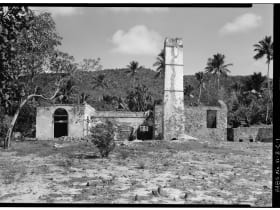
The Reef Bay Trail descends through tropical forest on the south side of St. John to the ruins of a sugar factory, ancient Taino petroglyphs carved beside a pool, and a quiet beach.

Trunk Bay
1.1 miles away
Trunk Bay is one of the best-known beaches in Virgin Islands National Park, a crescent of white sand and turquoise water on the north shore of St. John, framed by green hills.
Annaberg Sugar Plantation
1.6 miles away
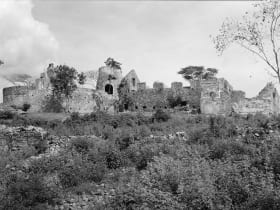
The Annaberg Sugar Plantation Ruins preserve the stone remains of an 18th-century Danish sugar estate on St. John, where enslaved Africans labored to produce sugar and rum.