
Annaberg Sugar Plantation
Annaberg Sugar Plantation, Virgin Islands National Park, St. John, VI
St. John, VI
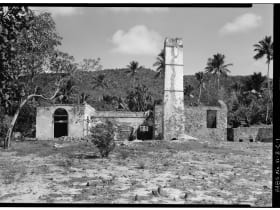
Windmill and factory ruins that tell the hard history of Caribbean sugar.
The Annaberg Sugar Plantation Ruins preserve the stone remains of an 18th-century Danish sugar estate on the northeast side of St. John, where enslaved Africans were forced to labor producing sugar and rum for export. A short interpretive trail winds among the windmill, the factory, the horse mill, and other structures, with sweeping views over the water to nearby islands.
Annaberg is both beautiful and sobering, a place where the scenic Caribbean setting meets the difficult history of slavery and colonialism that shaped these islands. Walking among the ruins and reading the interpretation, visitors gain a powerful, honest window into how the sugar economy worked, the brutal conditions endured by enslaved people, and the heritage that lives on in the Virgin Islands today.
What Travelers Love
- Stone ruins of an 18th-century sugar estate
- A windmill, factory, and other structures to explore
- Sweeping views over the water to nearby islands
- A meaningful window into colonial and enslaved history
Worth Knowing
- It is inside Virgin Islands National Park, on St. John
- A short interpretive trail winds among the ruins
- There is little shade; bring water and sun protection
- Treat the historic ruins with care and respect
Learn about Annaberg Sugar Plantation
Sugar, slavery, and the estate
In the 1700s and 1800s, St. John was covered with sugar plantations under Danish colonial rule, and Annaberg was one of the larger and more productive estates. Producing sugar and rum was grueling, dangerous work, and it depended entirely on the forced labor of enslaved Africans, who cut cane, operated the mills, and boiled the juice into sugar under harsh conditions.
The ruins include the tall stone windmill that ground the cane, the factory where the juice was boiled, a horse mill, and the remains of other estate buildings. Interpretive signs help visitors understand both how the machinery worked and the human story of those who were enslaved here, ensuring the site tells an honest history.
Visiting Annaberg
A short, easy trail loops among the Annaberg ruins, which sit on a breezy hillside with beautiful views over the water toward Tortola and other islands. The setting is scenic and peaceful, a striking contrast to the harsh history it represents, and the combination makes for a moving visit.
Because the site is fairly open with limited shade, it is wise to bring water, a hat, and sun protection, especially in the heat of the day. Visitors should treat the fragile historic ruins with care, staying on paths where directed and not climbing on the structures, to help preserve this important place for the future.
Closest Boutels
The closest Boutel™ stays, so you can turn this stop into an overnight. Each is a place we chose through independent editorial review, never a paid placement.
Details
St. John, VI
Frequently asked questions
What is the Annaberg Sugar Plantation?
The Annaberg Sugar Plantation is a historic site in Virgin Islands National Park on the northeast side of St. John, preserving the stone ruins of an 18th-century Danish sugar estate. During the colonial era, St. John was covered with sugar plantations, and Annaberg was one of the larger ones, producing sugar and rum through the forced labor of enslaved Africans. Today, a short interpretive trail winds among the ruins, including a tall stone windmill, the factory where cane juice was boiled, a horse mill, and other structures, with sweeping views over the water to nearby islands. Annaberg offers a powerful and honest window into the history of sugar, slavery, and colonialism in the Virgin Islands, combining a scenic setting with a sobering and important story.
What can you see at the Annaberg ruins?
At the Annaberg ruins, you can see the well-preserved remains of an 18th-century sugar estate and learn how it operated. The most prominent structure is the tall stone windmill, which used wind power to turn rollers that crushed the sugarcane. Nearby are the ruins of the factory or boiling house, where the extracted cane juice was boiled down into sugar, and a horse mill, an alternative to the windmill powered by animals, along with the remains of other estate buildings. Interpretive signs along the short trail explain how each part worked and, importantly, tell the human story of the enslaved Africans who did the grueling labor. The site also offers beautiful views over the water. Together, the ruins and interpretation make Annaberg both a scenic and a deeply educational stop.
Why is the history of Annaberg important?
The history of Annaberg is important because it tells the story of sugar, slavery, and colonialism that shaped the Virgin Islands and much of the Caribbean. In the 1700s and 1800s, the wealth of these islands was built on sugar and rum, produced through the brutal forced labor of enslaved Africans on estates like Annaberg. Preserving and interpreting these ruins ensures that this difficult history is not forgotten, honoring the enslaved people whose labor and suffering underpinned the plantation economy and acknowledging the roots of the culture and community that endure in the Virgin Islands today. Visiting Annaberg is not just about seeing old machinery; it is about understanding a painful but essential part of American and Caribbean history, told honestly in a beautiful but sobering setting within the national park.
How do you get to Annaberg?
The Annaberg Sugar Plantation is located on the northeast side of St. John within Virgin Islands National Park, and it is reached by road, typically by driving or taking a taxi to the Annaberg area and then walking a short interpretive trail among the ruins. St. John's roads are narrow and hilly, so if you are driving, be prepared for winding routes and drive carefully. The site has a parking area, and the trail through the ruins is short and relatively easy, though it is fairly open with limited shade, so bring water and sun protection. Annaberg pairs well with a visit to the north-shore beaches like Trunk Bay and Cinnamon Bay, which are in the same part of the island, letting you combine beautiful beaches with the island's rich history in a single outing.
Nearby
Cinnamon Bay
1.6 miles away
Cinnamon Bay is the longest beach on St. John, a broad sweep of sand and clear water backed by a historic sugar estate and forested trails.
Reef Bay Trail
2.1 miles away
The Reef Bay Trail descends through tropical forest on the south side of St. John to the ruins of a sugar factory, ancient Taino petroglyphs carved beside a pool, and a quiet beach.

Trunk Bay
2.4 miles away
Trunk Bay is one of the best-known beaches in Virgin Islands National Park, a crescent of white sand and turquoise water on the north shore of St. John, framed by green hills.