
Cave of the Mounds
2975 Cave of the Mounds Rd, Blue Mounds, WI
Blue Mounds, WI
A hidden underground world of dripstone and mineral color, blown open by chance in a quarry blast and untouched for hundreds of thousands of years.
Cave of the Mounds is a small but strikingly colorful limestone cavern in the hills near Blue Mounds, west of Madison. Its story begins with an accident: in 1939 a quarry blast on the property broke through into a hidden underground chamber that no human had ever seen, exposing a world of stalactites, stalagmites, and delicate mineral formations that had been forming in darkness for hundreds of thousands of years.
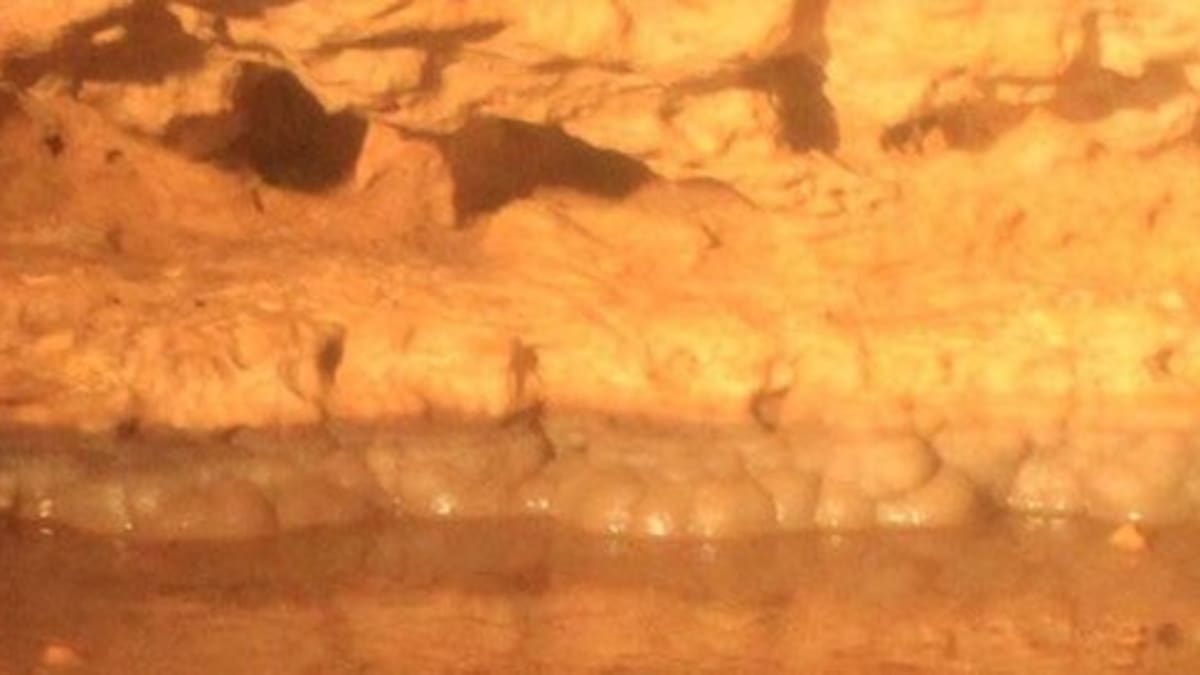
The sudden discovery made headlines, and the family who owned the land soon opened the cave to visitors rather than quarry it away. Today a guided walkway winds through its rooms, past dripstone in shades of cream, rust, and pink, colors painted by iron and other minerals carried in by seeping groundwater. It is one of the most colorful and best-preserved caves in the Upper Midwest, a hidden jewel that only exists as a public marvel because of a well-timed explosion.
What Travelers Love
- Walking a well-lit path past colorful stalactites, stalagmites, and flowstone
- The remarkable story of a quarry blast that revealed the cave by accident in 1939
- The mineral colors, from rust reds to pale creams, painted by groundwater over ages
- A comfortable, guided underground tour that suits all ages
Worth Knowing
- The cave stays cool year-round, so bring a light jacket even on a hot day
- Tours are guided along a paved path, making it accessible to most visitors
- It is a popular family stop, so weekends and holidays can be busy
- This is a living cave, so touching the formations is discouraged to protect them
Learn about Cave of the Mounds
The blast that opened a hidden world
The land above the cave was a working limestone quarry, and in 1939 workers set off a routine blast that unexpectedly broke open a large void in the rock. Peering into the hole, they found a chamber full of glittering formations, entirely sealed off from the surface and untouched by any human before. Word spread quickly, and curious crowds began arriving to see the newly revealed cave.
Recognizing that they had uncovered something rare, the owners halted quarrying and instead protected the cave, opening it for tours. That decision preserved a place that might otherwise have been blasted into gravel. The clean, unweathered condition of the formations is partly because the cave had been sealed for so long before it was found, a chance of geology and timing that gave Wisconsin one of its most beloved natural attractions.
How the cave and its colors formed
The cave lies in limestone laid down hundreds of millions of years ago when a shallow sea covered this part of North America, leaving thick beds of rock made largely of ancient sea life. Over vast stretches of time, slightly acidic groundwater seeped through cracks in that limestone, slowly dissolving it away and hollowing out the chambers and passages you walk through today.
The formations grew as that same mineral-rich water dripped and trickled, leaving behind tiny deposits of dissolved stone with each drop. Over the ages these built into stalactites hanging from the ceiling, stalagmites rising from the floor, and sheets of flowstone draping the walls. The colors, from rust reds and oranges to creams and pale grays, come from iron, manganese, and other minerals in the water, giving Cave of the Mounds an unusually painted, vivid appearance.
The land above and its first peoples
The country around Blue Mounds sits at the edge of the Driftless Area, the corner of the Upper Midwest that the last glaciers largely missed, leaving a landscape of deep valleys, rolling ridges, and the distinctive high mounds that gave the area its name. This is Ho-Chunk homeland, and the Ho-Chunk Nation has deep and enduring roots in this part of southern Wisconsin.
The nearby blue-tinged mounds were landmarks long before European settlers arrived, visible for miles across the prairie and hills. The whole region carries a layered history of Native presence, early lead mining, and farming, and a visit to the cave sits within that broader story of a land shaped over immense time and long inhabited by its first peoples.
The tour and the surroundings
A visit to Cave of the Mounds follows a guided, paved path through the cavern's rooms, lit to show off the formations while keeping the underground climate stable. The cave stays cool and damp year-round, a steady chill that makes a jacket welcome even in midsummer. Above ground, the grounds include gardens, rock and fossil displays, and nature trails through the surrounding hills.
The setting rewards a longer stay in the area. The nearby town of Mount Horeb has a quirky, folk-art main street, and the region around it holds state parks, the historic mounds, and the countryside of the Driftless Area. Madison, with its lakes, capitol, and university, is only a short drive east, making the cave an easy and memorable stop on a wider south central Wisconsin outing.
Closest Boutels
The closest Boutel™ stays, so you can turn this stop into an overnight. Each is a place we chose through independent editorial review, never a paid placement.
Black Hawk Motel & Suites
Honorable Mention720 Race St, Wisconsin Dells, WI
42 miles away|Learn More ›
Details
Blue Mounds, WI
Frequently asked questions
What is Cave of the Mounds?
Cave of the Mounds, near Blue Mounds west of Madison in Wisconsin, is a beautiful limestone cave celebrated for its colorful and delicate mineral formations, one of the most notable show caves in the Upper Midwest. Discovered in the early twentieth century during quarrying, the cave dazzles visitors with its stalactites, stalagmites, flowstone, and other formations in a range of colors, all viewed on guided walking tours along lighted, developed pathways. A registered natural landmark, it offers an accessible and wonder-filled underground experience for all ages. With its colorful formations and guided tours, Cave of the Mounds offers a fascinating destination in Wisconsin.
What can you do at Cave of the Mounds?
You can take a guided walking tour through the beautiful limestone cave, marveling at the colorful stalactites, stalagmites, flowstone, and delicate formations along lighted pathways, learn about the cave's discovery and geology, and enjoy the surrounding grounds with rock and fossil displays, gardens, and gem-panning activities above ground. The colorful cave formations, the informative guided tour, and the family-friendly above-ground activities are the highlights, offering wonder for all ages. It is an accessible cave experience. With its formations and tours, Cave of the Mounds offers an engaging experience near Madison, Wisconsin.
What should I know before visiting Cave of the Mounds?
The cave stays cool year-round at a constant, cave-like temperature, so bringing a light jacket is wise even in summer, and comfortable, non-slip shoes help on the paved but sometimes damp pathways. Tours are guided and run on a schedule, and admission is charged, so checking current tour times and hours before you go is smart. The developed pathways make it fairly accessible, though there are some stairs. Coming prepared for the cool temperature ensures a comfortable visit to Cave of the Mounds in Wisconsin.
When is the best time to visit Cave of the Mounds?
Because the cave stays a constant cool temperature year-round, it is a comfortable destination in any season, making it a refreshing escape on a hot summer day or a cozy indoor outing when the weather is cold or rainy. Summer and weekends are busiest, while the above-ground gardens and activities are best enjoyed in the warmer months. Checking current tour times before you go is wise. Because it is comfortable year-round, Cave of the Mounds makes a rewarding stop in any season near Madison, Wisconsin.
What is near Cave of the Mounds?
Cave of the Mounds is near Blue Mounds west of Madison, within reach of Blue Mound State Park, the town of Mount Horeb, the National Mustard Museum in Middleton, and downtown Madison with the Wisconsin State Capitol. That makes Cave of the Mounds a fascinating stop to combine with the National Mustard Museum, the Wisconsin State Capitol, and the other attractions of the Madison area on a visit to Wisconsin.
Nearby
Taliesin
16 miles away
This is where Frank Lloyd Wright actually lived and worked, not a museum recreation.

National Mustard Museum
16 miles away
This is the kind of gloriously specific museum most people cannot believe exists.

The House on the Rock
17 miles away
Nothing quite prepares you for this place. Alex Jordan started building atop a 60-foot rock chimney in the 1940s and opened it in 1959, then never really stopped, filling room after room with vast, ob...

UW-Madison Arboretum
19 miles away
The UW Arboretum is not a collection of ornamental trees but something more ambitious: an attempt, begun in 1932, to rebuild the original Wisconsin landscape from the ground up.