
Beauvoir
2244 Beach Blvd, Biloxi, MS
Biloxi, MS
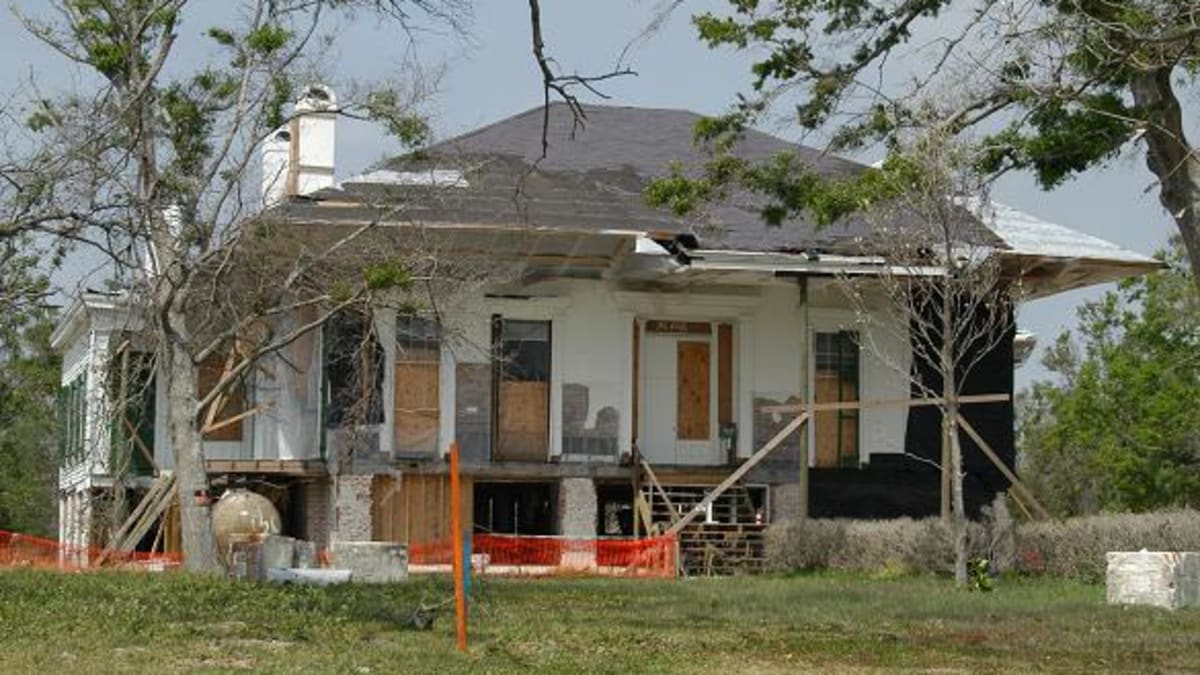
A raised coastal cottage under moss-draped oaks on the Biloxi beachfront, twice nearly lost to hurricanes and twice brought back.
Beauvoir is a raised, columned cottage on the Biloxi beachfront that served as the last home of Jefferson Davis, the president of the Confederacy, in the final years of his life. Built in the 1850s, it is a fine example of Gulf Coast architecture, lifted off the ground with deep porches and tall windows to catch the sea breeze, the kind of house people built to live with the coast's heat and storms.
The house is now a historic site and museum. It is a place to understand a hard and contested part of American history, the Civil War and its long aftermath, and also a place shaped by the Gulf's fury, for Beauvoir has survived and been rebuilt more than once after the great hurricanes that batter this coast.
What Travelers Love
- The raised, breezy design of a classic Gulf Coast cottage built for the climate
- Ancient live oaks draped in Spanish moss across the grounds
- The view straight across Beach Boulevard to the Mississippi Sound
- A vivid, complicated chapter of American history told on the coast
Worth Knowing
- The house is a museum, and the story it tells belongs to the difficult history of the Confederacy and the Civil War
- The site was heavily damaged by Hurricane Katrina in 2005 and painstakingly restored
- Grounds and gardens are pleasant to walk; the oaks alone are worth the stroll
- Pair it with the beach across the road and Biloxi's seafood and casinos nearby
Learn about Beauvoir
The last home of Jefferson Davis
The house was built in the 1850s by a Mississippi planter and named Beauvoir, a French phrase meaning beautiful view, for its outlook over the Mississippi Sound. Jefferson Davis, the only president of the Confederate States and afterward a private citizen, came here in 1877 and made it his home for the last dozen years of his life, writing his lengthy memoir of the war on the grounds.
After Davis died in 1889, his widow Varina eventually sold the estate on the condition that it serve as a home for aging Confederate veterans and their families, and for decades it operated as just that. Today Beauvoir is preserved as a house museum. It presents the life of Davis and the era of the Civil War, a chapter Americans continue to reckon with, and it does so on the very ground where he spent his final years.
A house built for the Gulf
Beauvoir is a textbook Gulf Coast raised cottage, lifted a full story off the ground on brick piers to let storm surge and floodwater pass beneath, with a wide central hall and doors and windows lined up to pull a cross breeze through the rooms. Deep shaded porches wrap the front, and tall ceilings let the heat rise, all of it designed long before air conditioning to make a subtropical summer bearable.
That design was tested to its limits. In 2005 Hurricane Katrina drove a massive storm surge across this coast and gutted Beauvoir, destroying outbuildings and flooding the main house. The site was closed for years and rebuilt with painstaking care, salvaging original materials where possible. The Beauvoir you visit today is in large part a restoration, a monument to the coast's habit of losing its landmarks and building them back.
The oaks and the grounds
Some of the most striking things at Beauvoir are older than the house. Great live oaks, low and spreading, their limbs hung with Spanish moss, shade the grounds and have stood through generation after generation of storms. Live oaks are famously wind-resistant, and these survivors are as much a part of the coast's identity as the beaches.
The estate includes gardens, a small cemetery, and a memorial to Confederate soldiers, along with walking paths among the trees. Facing the water across Beach Boulevard, it offers the beautiful view its name promises, a broad flat horizon of sand, sound, and sky that has drawn people to this stretch of coast for centuries.
The coast, wildlife, and seasons
The Mississippi Sound in front of Beauvoir is a shallow, warm arm of the Gulf sheltered by a chain of barrier islands offshore. Brown pelicans glide low over the water, laughing gulls and terns work the shallows, and dolphins are often seen from the beach and the boats that run out to the islands. The man-made beach here is one of the longest in the country.
Spring and fall are the finest seasons on the coast, warm and breezy with easier humidity. Summer is hot, sticky, and the heart of hurricane season, which runs into the fall and shapes life all along this shore. Winter is mild and quiet, a pleasant time to walk the grounds under the oaks with the crowds gone.
Closest Boutels
The closest Boutel™ stays, so you can turn this stop into an overnight. Each is a place we chose through independent editorial review, never a paid placement.
Details
Biloxi, MS
Frequently asked questions
What is Beauvoir?
Beauvoir, in Biloxi on the Mississippi Gulf Coast, is a historic antebellum estate best known as the last home of Jefferson Davis, the president of the Confederacy, preserved as a house museum and National Historic Landmark. The graceful raised cottage-style mansion, overlooking the Gulf, was where Davis spent his final years, and the site preserves the historic home, grounds, and a presidential library, interpreting a complex and painful period of American history, including the Confederacy, the Civil War, and, importantly, the enslaved people connected to the era. Its architecture and history make it a significant, if difficult, destination. A historic and thought-provoking estate, it educates visitors. With its history, Beauvoir offers a compelling destination in Mississippi.
What is the history of Beauvoir?
Beauvoir is a historic Gulf Coast estate best known as the last home of Jefferson Davis, who had been president of the Confederacy during the Civil War, and where he lived his final years and wrote. As a site tied to the Confederacy and the Civil War, its history is complex and painful, bound up with slavery, the war fought over it, and the enslaved people whose labor was part of the era, and a full understanding requires reckoning with this difficult history. The site preserves the home and interprets this period. Approaching Beauvoir with awareness of this full and difficult history deepens a visit in Mississippi.
What can you see at Beauvoir?
You can tour the historic raised-cottage mansion overlooking the Gulf, see period furnishings, explore the grounds and a presidential library, and learn about Jefferson Davis, the Civil War era, and this complex chapter of history. The historic home, the Gulf-front grounds, the library, and the interpretation of a difficult period are the draws, offering a significant historical experience. Approaching the site's history, including the era's slavery and the enslaved people connected to it, with reflection is important. With its history, Beauvoir offers a rewarding visit in Biloxi, Mississippi.
When is the best time to visit Beauvoir?
The milder months of fall through spring are the most comfortable for touring the house and Gulf-front grounds in Mississippi's climate, avoiding the intense summer heat and humidity, while the historic home can be enjoyed in various seasons. Because hours and tours can vary, checking current information before you go is wise. For the most comfortable visit, aim for fall through spring at Beauvoir in Mississippi.
What is near Beauvoir?
Beauvoir is in Biloxi on the Mississippi Gulf Coast, within reach of the Biloxi Lighthouse, the Ohr-O'Keefe Museum of Art, the Biloxi beachfront, Ship Island and the Gulf Islands National Seashore, and the other attractions of the Gulf Coast. That makes Beauvoir a compelling stop to combine with the Biloxi Lighthouse and the other attractions of the Mississippi Gulf Coast on a visit to the state.
Nearby

Biloxi Lighthouse
4.2 miles away
Kids love that a real lighthouse stands smack in the middle of a busy highway.

Ohr-OKeefe Museum of Art
5.9 miles away
Most people driving Highway 90 have no idea a Frank Gehry building sits among the oaks here.

Ship Island and Gulf Islands National Seashore
7.4 miles away
This is where you reach the real Gulf, not the shallow Sound behind the barrier islands.
Ocean Springs Front Beach
8.2 miles away
A calm, family-friendly town beach on sheltered Biloxi Bay, with shallow warm water, a long fishing pier, fire pits, and a walking path beside the artsy downtown of Ocean Springs.
Walter Anderson Museum of Art
8.4 miles away
Ocean Springs quietly built a museum around one of the most original American artists you may never have heard of.