

Ajo
100 W Elota Ave, Ajo, AZ
Ajo, AZ
A quiet company town wrapped around a white arcaded plaza, the last real stop before the desert runs unbroken to the Mexican line.
Ajo is one of those places that surprises people who expected nothing but empty desert. At its heart is a landscaped town plaza, an unusually formal one for the middle of nowhere, ringed by white Spanish Colonial Revival arcades and anchored by two matching mission-style churches. It was designed as a company town, laid out deliberately by the copper company that once ran everything here, and that planned elegance still gives Ajo a character all its own.
The copper is largely gone now, but the town did not empty out. Artists moved into the old buildings, murals climbed the walls, and Ajo reinvented itself as a small creative outpost in the Sonoran Desert. For travelers it is the last real town before the border and the natural base for exploring Organ Pipe Cactus National Monument, the great forest of columnar cactus that begins just to the south.
What Travelers Love
- The white Spanish Colonial Revival plaza with its arcades and twin mission-style churches
- A surprising density of murals and working artists for a town this size
- Wide-open desert quiet and some of the darkest night skies in the state
- Its role as the gateway to Organ Pipe Cactus National Monument and the Sonoran border country
Worth Knowing
- This is remote desert; fuel up and carry water before heading south toward the monument
- Summer is genuinely hot, and most travelers come in the cooler months from fall through spring
- The town is small and services are limited, so plan meals and supplies ahead
- If you continue south to the border, know the rules and bring identification
Learn about Ajo
The copper town that planned itself
Ajo grew up around one of Arizona's oldest copper districts. The metal here had been worked in a small way for generations, but it was in the early twentieth century, under the New Cornelia mine, that Ajo became a full-fledged company town. The company did not just dig the ore; it built the town, laying out the plaza, the arcades, and the housing in a single planned vision meant to make a mining camp feel like a real community.
That is why Ajo looks the way it does. The white plaza at its center, with its shaded walkways and its two churches facing each other across the green, was designed rather than grown. When the mine finally closed, the town lost its reason for being, but the bones of that careful plan remained, and they are much of what draws visitors today.
An artist town in the desert
After the mine went quiet, Ajo could have faded away like so many other Western mining towns. Instead it found a second life. The old school and commercial buildings were reworked into studios and galleries, and a community of artists put down roots, drawn by cheap space, big light, and the strange beauty of the surrounding desert.
Today murals brighten walls all over town, and the plaza and its side streets host art you would not expect this far from anywhere. It is a genuinely creative small town rather than a tourist stage set, and part of Ajo's charm is stumbling onto that art in the middle of the wide Sonoran quiet.
The Sonoran Desert and the border country
Ajo sits in the heart of the Sonoran Desert, the greenest and most biologically rich of the North American deserts. This is saguaro country, and to the south the land holds the organ pipe cactus, a many-armed columnar species that grows almost nowhere else in the United States. The desert here supports a remarkable range of life, from cactus wrens and Gila woodpeckers to javelina, coyotes, and desert tortoises.
This is also border country. The land of the Tohono O'odham Nation stretches across much of this desert, a people whose ties to this land run back countless generations and who still live here today. Ajo has long been a crossroads for O'odham travelers, ranchers, and miners, and that layered history is part of what gives the region its character.
Dark skies and the way south
Far from any city, Ajo enjoys some of the darkest night skies in Arizona. On a clear, moonless night the Milky Way arches overhead in a way few people ever see, and the quiet is nearly total. For travelers used to city glow, a night sky over the desert here can be the thing they remember most.
Ajo is also the gateway for the drive south to Organ Pipe Cactus National Monument and, beyond it, the crossing into Mexico. Many people pass through on their way to that great cactus forest, but the town rewards a slower stop, a walk around the plaza, a look at the murals, and a meal before the desert takes over again.
Closest Boutels
The closest Boutel™ stays, so you can turn this stop into an overnight. Each is a place we chose through independent editorial review, never a paid placement.
Details
Ajo, AZ
Frequently asked questions
What is Ajo, Arizona?
Ajo is a charming historic town in the remote desert of southwestern Arizona, born as a copper-mining community and now known for its beautifully preserved Spanish Colonial Revival plaza, vibrant public murals, and artsy, laid-back character. Surrounded by striking Sonoran Desert scenery, Ajo serves as the gateway to Organ Pipe Cactus National Monument and the region's vast wildlife refuges. With its picturesque town square, art scene, mining heritage, and access to pristine desert wilderness, Ajo offers a distinctive and welcoming stop in one of Arizona's most remote and scenic corners.
What can you do in Ajo?
You can admire the elegant Spanish Colonial Revival plaza and historic buildings at the town's heart, explore the many colorful murals and art installations that fill Ajo, learn about its copper-mining past, browse local shops and galleries, and use the town as a base for visiting nearby Organ Pipe Cactus National Monument and the desert refuges. The surrounding Sonoran Desert offers hiking, birding, and stargazing under dark skies. With its art, history, and desert access, Ajo makes a surprisingly rich and appealing stop in remote southwestern Arizona.
Why is Ajo known for its murals and art?
Ajo has embraced public art as part of its revitalization, and today its walls and spaces are adorned with numerous vibrant murals created by local and visiting artists, celebrating the town's culture, history, desert setting, and diverse community. A former school transformed into an arts and community center helped anchor this creative renaissance. The result is a lively, walkable open-air gallery that gives the small desert town an unexpected artistic charm, making wandering to discover the murals one of the most delightful things to do in Ajo.
When is the best time to visit Ajo?
The cooler months from late fall through early spring are by far the most comfortable for exploring Ajo and the surrounding desert, since summer in this low southwestern desert is extremely hot, so if visiting then, plan early outings and carry plenty of water. Winter and spring are pleasant, with spring adding desert blooms, and these seasons also suit trips to nearby Organ Pipe Cactus National Monument. The mild cool-season weather makes strolling the plaza, viewing murals, and desert exploration most enjoyable.
What is near Ajo?
Ajo is the gateway to Organ Pipe Cactus National Monument just to the south along the Mexico border, and lies near the vast Cabeza Prieta and other desert wildlife refuges, offering access to pristine, remote Sonoran Desert. Tucson and Phoenix are within a longer drive. That makes Ajo a charming and convenient base to combine with Organ Pipe Cactus National Monument, the region's wild desert refuges, and the dark-sky scenery of southwestern Arizona's remote and beautiful desert country.
Nearby
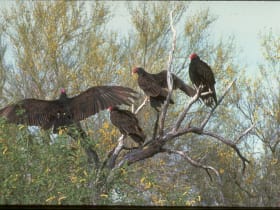
Organ Pipe Cactus National Monument
29 miles away
Organ Pipe Cactus NM protects the only natural US habitat of the organ pipe cactus - a multi-armed cactus that grows up to 20 feet tall and is closely related to the saguaro.
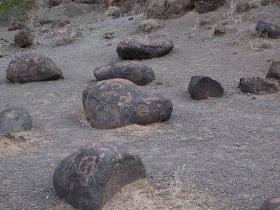
Painted Rock Petroglyph Site
43 miles away
Painted Rock Petroglyph Site sits on BLM land in Maricopa County west of Gila Bend, and a single large volcanic basalt outcrop there is covered on almost every accessible surface with petroglyphs peck...