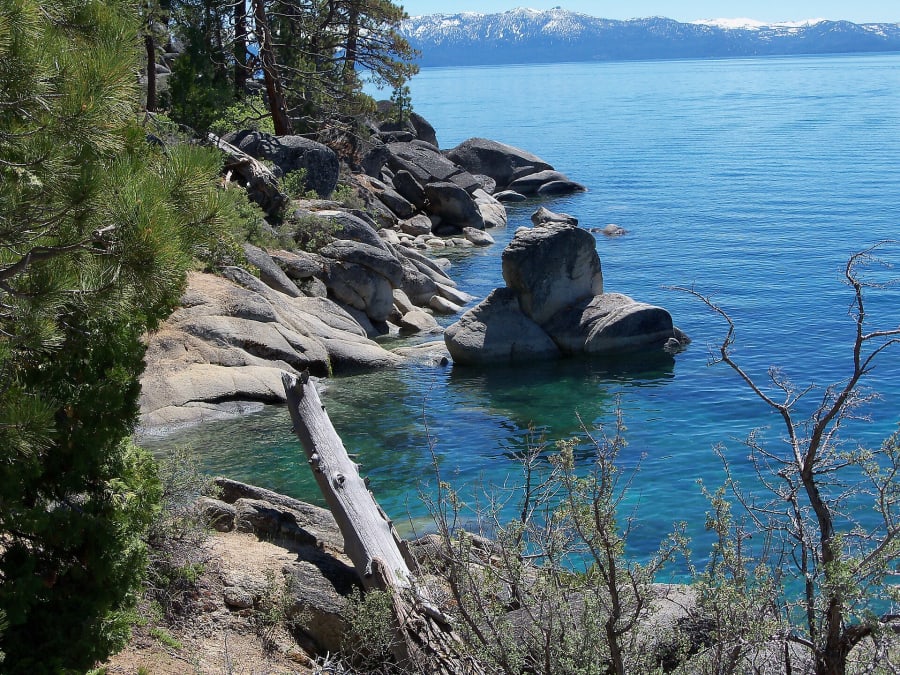
There is a particular kind of quiet that only exists at the edge of still water, and once you have slept in it you start planning road trips around finding it again. Ocean stays get all the postcards, but a lake asks less of you and somehow gives back more. No tides to check, no salt to rinse off, no roar to talk over. Just a flat sheet of water doing its slow work in the morning light while you stand on a dock in yesterday's shirt, holding a coffee you are in no hurry to finish.
Lake towns understand this, and the best independent motels along their shores are built around it. They tend to be low-slung and unhurried, close enough to the water that you can hear it move at night, run by people who have watched a thousand travelers arrive wound tight and leave loose. A lake stay is not a stopover so much as a small permission to slow down. That is worth building a route around, and this is a case for doing exactly that.
The case for stillness
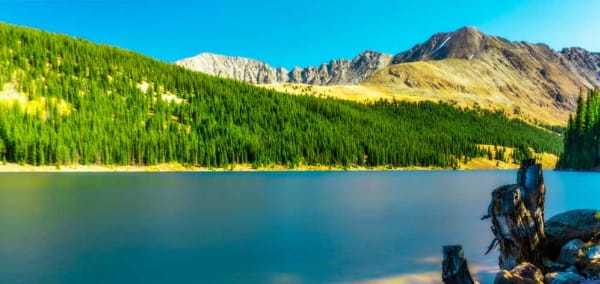
The whole argument for a lake motel can be made from a dock at dawn. You come out before anyone else, the boards still cool under your feet, and the water is so flat it doubles the sky and hands it back to you upside down. A fish rings the surface somewhere off to your left. The far shore is a soft gray smudge that will sharpen into pines as the sun climbs. Nothing is asking anything of you, and that, after a long day of interstate and gas-station coffee, is close to a cure.
This is the real difference between a lake and an ocean, and it is worth naming. The ocean is a spectacle you visit. A lake is a companion you sit beside. The ocean performs, all crash and glitter and undertow, and you watch it the way you watch a storm. A lake just holds, patient as a held breath, and it invites you to hold with it. On a road trip full of motion, that stillness is not boring. It is the point.
The ocean is a spectacle you visit; a lake is a companion you sit beside.
Sound is part of it too. On a northern lake the evening belongs to loons, that long wavering call that sounds like the water itself learned to grieve and then got over it. In the Ozark hills around Beaver Lake and Table Rock it is bullfrogs and the far mutter of a boat coming in. The night noise of a lake is a lullaby with no words, and the walls of a small shoreline motel are thin enough, in the best way, to let it reach your pillow.
How a lake stay earns its keep on the road
A lake stay does double duty, and that is why it belongs in a road trip and not just a vacation. It is a place to actually stop, the way an ocean resort rarely lets you, and it is also a launch point into some of the best driving country in America. The Finger Lakes stitch their long blue fingers through waterfall gorges and back-road wineries. Lake Tahoe sits high and impossibly clear with mountain passes climbing off in every direction. The Great Lakes give you Michigan's dune coast and Superior's cold northern edge, water so big it behaves like a sea but tastes like a lake.
Then there is the water itself, which asks so little to enjoy. You do not need a wetsuit or a tide chart or a healthy fear of the deep. You walk in off a warm shallow, you swim out to where your feet lose the bottom, you turn over and float and watch the clouds go nowhere. Kids take to a lake instantly because a lake takes to them. In northern Minnesota, land of ten thousand of them, half the state's summer memory is a swim off a wooden dock and a towel on sun-warm planks afterward. A mountain lake will be colder and will make you gasp, and you will love it anyway, and you will talk about it for years.
Finding the right one
The lake motels worth the detour tend to share a few honest traits. They sit close to the water, close enough that morning fog rolls up over the parking lot. They keep a bit of shoreline you can actually use, a dock or a patch of pebble beach or a couple of chairs pointed the right direction. And they are run by someone local who can tell you where the good swimming cove is, which is the kind of intelligence no app will ever give you as well as a person who has lived on that water for thirty years.
Timing is its own art, and a lake rewards the traveler who thinks about it. High summer is the swimming and the ice cream and the porch full of families, and it is wonderful and a little loud. But the shoulder seasons are the secret. A lake in early autumn, with the far hills turning and the water gone glassy and cold, and the crowds packed up and gone home, is one of the quiet miracles of American travel. You will have the dock at dawn entirely to yourself, and you will understand, finally, why some people never really leave.
Questions about lake motels
What makes a lake stay different from a beach stay?
A lake trades the ocean's drama for stillness, and that changes everything about the visit. There are no tides to plan around, no salt, no undertow, and the swimming is gentle enough for anyone. It is calmer, quieter, and easier to simply sit with, which is exactly why it suits a road trip so well.
When is the best time to visit a lake motel?
High summer is peak for swimming and lake-town energy, warm water and busy docks. But the shoulder seasons, especially early fall, are the connoisseur's choice: glassy cold water, turning hills, and the crowds gone home. Go then and the dawn dock is yours alone.
Which regions have the best lake road-trip country?
Some of the finest driving in the country threads between lakes. Consider the waterfall gorges of the Finger Lakes, the high clear water of Lake Tahoe, the dune coast of the Great Lakes shore in Michigan and cold Lake Superior, the Ozark lakes like Beaver Lake and Table Rock, and the ten thousand of northern Minnesota.