A beach motel promises something a big resort rarely delivers: the sand is right there, and so is the exit. You park once, drop your bag, walk out a door, and the water is a short barefoot stretch away. The good ones lean into that closeness. Salt air moves through the room, a screen door bangs somewhere, and the whole rhythm of the day bends around the tide instead of a lobby check-in line. That is the appeal, and it is why beach motels remain one of the most beloved kinds of American road-trip stays.
There is a difference, though, between a beach motel and a motel that merely lists a beach in its marketing. Real proximity is the whole game. A stay a block from the water, with a deck facing the right direction and an outdoor shower by the door, feels coastal in every sense. A property a mile inland with an ocean-themed name and a parking lot view does not, no matter what the listing says. This guide is about the first kind, the beachfront boutique motels and near-sand independents worth planning a coastal road trip around.
What makes a great beach motel
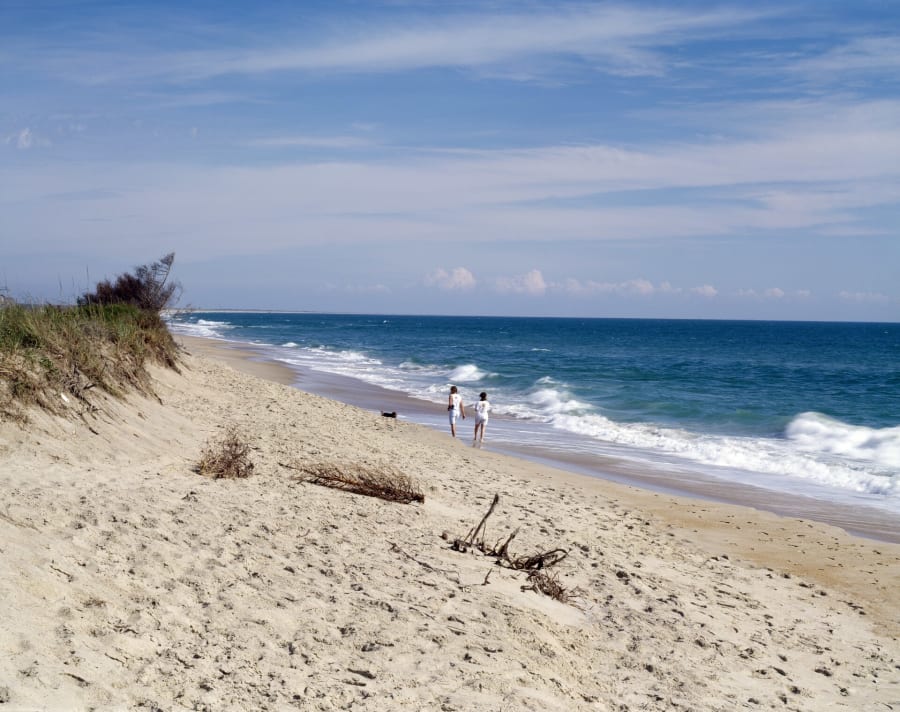
Start with walkability to the sand, because everything else is secondary to it. The best beach motels sit within an easy barefoot walk of the water, no highway to cross, no long haul with a cooler and an umbrella. If you can leave your shoes in the room and be standing on wet sand in a few minutes, the property has earned the word beach. Distance is measured in steps, not in a marketing phrase like near the beach, which can mean almost anything.
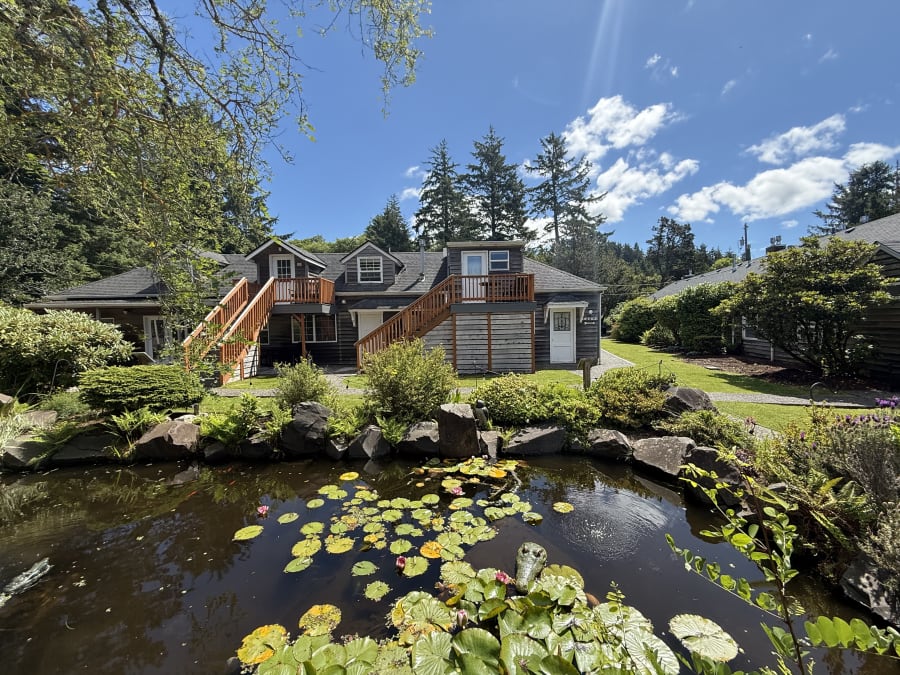
After that, look for the small features that a beach day actually demands. An outdoor shower to rinse the salt and grit before you go inside. A deck or balcony where you can eat breakfast in the morning glare and watch the sun drop in the evening. A pool for the stretch of the year, or the stretch of the coast, when the ocean runs too cold to linger in. Somewhere to hang wet towels and stash sandy chairs. These are not luxuries at a great beach motel, they are the plumbing of a good beach day.
Real proximity is the whole game; distance to a great beach motel is measured in steps, not in a marketing phrase.
The last thing that separates a great one is honesty about the view. A true beachfront room looks at water. A stay a few blocks back can still be wonderful, often quieter and easier to book in peak season, but it should say so plainly and make the walk short and pleasant. The properties worth trusting tell you exactly where you will be sleeping in relation to the sand, and they build the outdoor spaces, the showers, the decks, to make the most of it.
Where to find them
The Pacific coast delivers the dramatic version. Along Oregon and Northern California the beach motel is often a lookout as much as a place to sleep, perched above a cove with fog rolling in and sea stacks offshore. The water is bracing here more than swimmable, so the great stays face the surf with big decks and fire pits and lean on the view. Down the Southern California coast the mood turns warm and easy, with walk-across-the-street sand and a surf-town feel to the streets behind the dunes.
The Atlantic runs the full range from New England down to Florida. The northern shore, from Maine through Cape Cod and the Jersey coast, is a summer creature, alive and packed in July and August and quiet the rest of the year, all weathered shingles and clam shacks and cold clean water. Farther south, the Carolina and Georgia barrier islands and the long Florida beaches stretch the season out and warm the water up, so a beach motel there works as a shoulder-season and even winter escape.
Two shorelines get overlooked and shouldn't. The Gulf coast, from the Florida Panhandle across Alabama, Mississippi, and Texas, offers soft white sand, warm calm water, and a slower, less crowded feel than either ocean. And the Great Lakes shore is the freshwater surprise: Michigan, Wisconsin, and the other lake states have real beaches, real dunes, and genuine motels near the beach, minus the salt, with a short and cherished summer that locals guard closely.
How to choose your stay
Decide first whether you want beachfront or a few blocks back, because it changes both the price and the experience. Beachfront buys you the view, the sound, and the shortest possible walk, and it books up first. A stay set back a block or two often costs less, stays quieter, has an easier time keeping rooms in high summer, and still puts you on the sand in minutes. Neither is wrong; know which you are choosing and read the location details carefully rather than trusting a name.
Then match the property to the coast and the season. On a cold-water coast, a pool and a wind-sheltered deck matter more than a wide swimming beach. On a warm-water coast, direct beach access and shade matter most. Look for the outdoor shower, confirm which direction the deck faces if sunset is the point, and check that parking is simple, because nothing sours a beach stay like circling for a spot with a car full of sand and salt.
Coastal road trip stays reward a little planning of the string, not just the stops. Beach towns book far ahead for peak weekends, and the best independent beach motels are small, so they fill fast. If you are threading several nights up or down a coast, reserve the beachfront nights earliest and let the flexible inland-block nights fall into place around them.
When to go, and how this guide is built
Timing is the difference between a great beach stay and a frustrating one. Peak summer brings the warmest water and the fullest life to a beach town, and also the highest prices, the tightest bookings, and the busiest sand. The shoulder seasons, late spring and early fall, are the sweet spot on most coasts: water still swimmable or close to it, crowds thinned, rooms easier to get, and the light softer for those deck sunsets. Winter belongs to the warm-water coasts, the Gulf and the Florida and lower Atlantic shores, where a beach motel becomes an off-season refuge.
Weekdays beat weekends everywhere, and the difference is dramatic in the popular towns. If your schedule allows a Tuesday-to-Thursday stretch, you get the same beach at a fraction of the crowd. And remember that the northern coasts and the Great Lakes have short, intense seasons; outside a narrow window many of their best small motels quiet down or close, so plan those trips for the heart of summer.
Every stay in this guide is vetted the same way, chosen for real proximity to the sand, honest listings, and the outdoor spaces that make a beach day work rather than for a coastal-sounding name. The Elite Boutels featured in the sidebar are the best of the group, the beachfront and near-sand independents that get all of it right, and the full grid below gathers the rest of the coast worth pulling over for.
Questions about beach motels
What is the difference between a beachfront motel and one near the beach?
A beachfront motel sits directly on the sand with a room or deck that looks at the water and the shortest possible walk out. Near the beach is a marketing phrase that can mean a block away or a mile inland, so read the actual location details. A few blocks back can be a great choice, often quieter and cheaper, as long as the walk to the sand is short and the listing is honest about it.
When is the best time to book a beach motel?
The shoulder seasons, late spring and early fall, hit the sweet spot on most coasts with swimmable-enough water, thinner crowds, and easier bookings. Peak summer gives the warmest water and fullest scene but the highest prices and tightest rooms. Weekdays beat weekends everywhere, and warm-water coasts like the Gulf and Florida work well in winter too.
Do I need a pool if I am staying right on the beach?
It depends on the coast. On cold-water coasts like the Pacific Northwest and Northern California, or in the shoulder and off seasons anywhere, a pool matters a lot because the ocean can be too cold to linger in. On warm-water coasts in summer, direct beach access matters more and a pool is a bonus rather than a necessity.