
Ward Museum collection at the Museum of Eastern Shore Culture
909 S Schumaker Dr, Salisbury, MD
Salisbury, MD
The world's finest collection of wildfowl decoys, an Eastern Shore folk art raised to fine art by two barber brothers who carved between haircuts.
The Ward collection is the finest gathering of wildfowl decoys in the world, an Eastern Shore folk art told through thousands of carved birds. It grew from an unlikely source, two brothers named Lem and Steve Ward who ran a barbershop in the little town of Crisfield, Maryland, and carved duck decoys between customers until their work became so extraordinary that it turned a hunter's tool into museum-grade art.
That transformation is the heart of the collection. Decoys began as strictly practical objects, wooden birds set on the water to lure real ducks within range of a gunner on the marsh. Under the hands of the Ward brothers and the carvers they inspired, the form evolved into meticulous, lifelike sculpture, feather by painted feather, and the museum traces that whole arc, from rough working blocks to breathtaking decorative masterpieces, in a setting deep in the Chesapeake country that gave the art its life.
What Travelers Love
- The finest collection of wildfowl decoys anywhere in the world
- The story of the Ward brothers, barbers who became master carvers
- The leap from working hunting decoys to lifelike decorative art
- A quiet pondside setting that fits the marsh-country subject
Worth Knowing
- The museum keeps seasonal hours and is supported by ticket sales, so check ahead before you go
- It is compact and indoor, an easy pairing with other Salisbury stops
- The pondside setting and short trails invite a walk before or after
- The collection rewards a slow look; the detail in the best carvings is astonishing
Learn about Ward Museum collection at the Museum of Eastern Shore Culture
Two barbers and a carving knife
Lemuel and Stephen Ward were brothers in Crisfield, a waterman's town near the tip of Maryland's lower Eastern Shore, where they cut hair for a living and carved ducks on the side. What began as a way to make hunting decoys for local gunners grew, over the middle decades of the twentieth century, into something far greater, as their carvings won a reputation for lifelike beauty that spread far beyond the marshes.
Lem Ward in particular came to be regarded as a master, his painted birds so finely observed that they crossed from craft into fine art. The brothers became the patron saints of decoy carving, and the museum that bears their name was created to honor them and to gather the tradition they exemplified into one place, the story of ordinary tradesmen whose skill outran their trade.
From working decoy to fine art
The collection tells the full story of the American decoy, from its earliest days as a strictly functional object. Hunters set floats of carved wooden ducks on the water to draw live birds within gun range, and along the Chesapeake, the richest waterfowl grounds in the country, decoy carving became a widespread regional craft, each carver and region developing its own style.
The Ward brothers and their heirs pushed the form into decorative art, carving and painting birds meant not to float on a marsh but to be admired for their beauty, capturing the exact posture and plumage of a living bird. The museum lines up both worlds, the humble working blocks and the astonishing decorative carvings, so a visitor can watch a folk craft rise into a fine art across the span of a lifetime.
The Chesapeake waterfowl world
Decoy carving is inseparable from the Chesapeake itself. The bay and its tidal marshes have long been one of the great waterfowl flyways in North America, drawing enormous flocks of ducks and geese in migration and supporting a deep culture of hunting, guiding, and market gunning along the Eastern Shore. The decoy was the essential tool of that world.
The museum sets its collection against that backdrop, telling the story of the watermen, hunters, and carvers whose lives were shaped by the seasons of the flyway. The birds on display are more than sculptures; they are artifacts of a whole way of life on the marsh, one that has faded but that the carvings keep vividly alive.
Salisbury and the Lower Shore
The museum sits beside a pond on the edge of Salisbury, the largest city on Maryland's Lower Eastern Shore and a natural base for exploring the region. Its subject matter is rooted in the surrounding country, the flat tidewater farmland, winding rivers, and vast marshes of the Delmarva Peninsula.
From Salisbury the whole waterfowl landscape lies close at hand, from the great marshes of Blackwater to the wild ponies and shorebirds of Assateague. A visit to the collection deepens any trip through the region, giving a name and a face to the marsh-country craft that the surrounding land produced.
Closest Boutels
The closest Boutel™ stays, so you can turn this stop into an overnight. Each is a place we chose through independent editorial review, never a paid placement.
Details
Salisbury, MD
Frequently asked questions
What is the Ward Museum collection?
The Ward Museum collection, in Salisbury on Maryland's Eastern Shore, is home to the world's premier collection of wildfowl carving and decoy art. It is named for the Ward brothers, legendary local carvers who transformed the humble hunting decoy into a celebrated fine-art form. Now presented as part of the Museum of Eastern Shore Culture, the collection showcases the artistry of bird carving alongside the heritage and traditions of the Chesapeake's Eastern Shore, making it a unique cultural destination.
What can you see in the Ward Museum collection?
You can admire an extraordinary range of wildfowl carvings, from simple working hunting decoys to breathtakingly lifelike decorative bird sculptures that rival nature itself, along with exhibits on the Ward brothers and the evolution of the craft. Displays also explore the ecology, culture, and waterfowling heritage of the Eastern Shore. The collection connects to a prestigious national wildfowl-carving competition, underscoring its status as the center of this distinctive American art form.
When is the best time to visit the Ward Museum?
As an indoor museum, it is enjoyable year-round and makes a great rainy-day or cold-weather option. Checking current hours before you go is wise, and a visit typically takes an hour or two to appreciate the carvings and exhibits. Its lovely setting beside a pond adds appeal in the warmer months, when you can enjoy the surrounding grounds along with the collection inside.
Who will enjoy the Ward Museum collection?
Art lovers, birders, hunters, and anyone interested in folk art, craftsmanship, or the culture of the Chesapeake will find the collection fascinating, since the artistry of the finest carvings is genuinely astonishing. Even casual visitors are impressed by the lifelike detail and the story of the Ward brothers' rise from working carvers to celebrated artists. It offers a distinctive window into a uniquely American art form rooted in the Eastern Shore's waterfowling traditions.
What is near the Ward Museum?
The museum is in Salisbury, the hub of Maryland's lower Eastern Shore, near the free Salisbury Zoo, Salisbury University, and the region's countryside and waterways. The beaches of Ocean City and the wild horses and pristine shores of Assateague Island are within a reasonable drive to the east. That makes the Ward Museum an easy cultural stop to pair with the Eastern Shore's nature, beaches, and small-town attractions.
Nearby

Salisbury Zoo
1.0 miles away
A rare thing: a real zoo that is free to walk into. The Salisbury Zoo sits in a shady riverside park, and its looping boardwalk trail is short enough that little legs can finish it in an afternoon wit...
Trap Pond State Park
13 miles away
This one surprises people: a genuine southern cypress swamp, this far north.
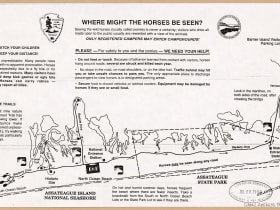
Assateague Island National Seashore
26 miles away
A few minutes south of the neon of Ocean City, Assateague is what this coast looked like before anyone built on it: open beach and grass-topped dune with nothing behind them but marsh and sky.