Redwood National and State Parks
Highway 101
Orick, CA
A cooperative tangle of national and state parkland protecting the tallest living things on Earth, coast redwoods that top 370 feet.
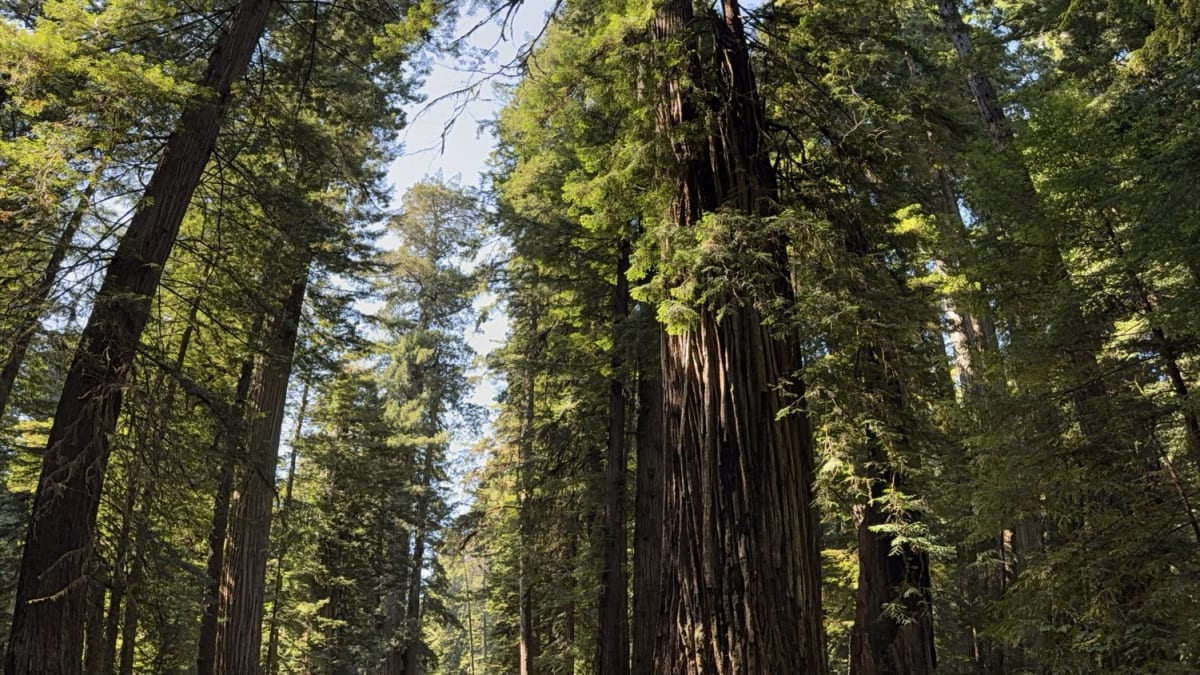
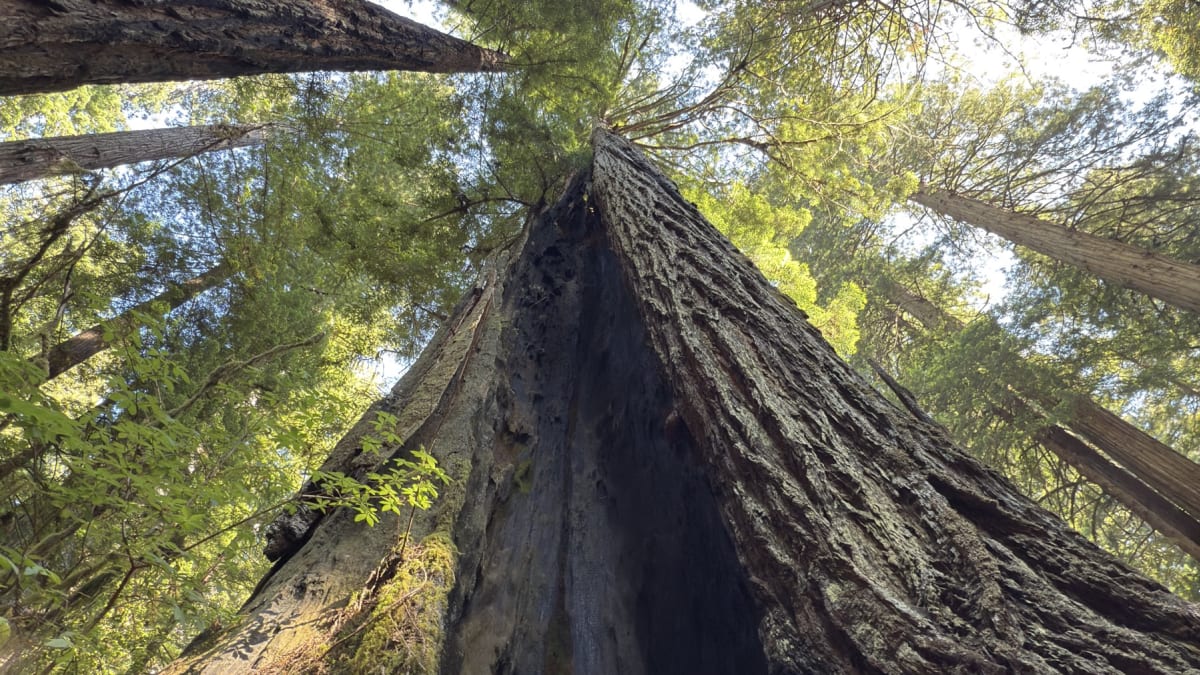
Redwood National and State Parks protect the tallest living things on Earth, coast redwoods that can grow beyond 370 feet, taller than a football field is long. Walking into an old-growth grove here is less like entering a forest than a cathedral, the light filtering down through a canopy so high you cannot see the tops, the floor deep in sword fern and sorrel.
The parks are unusual in how they came to be. President Lyndon Johnson signed Redwood National Park into existence on October 2, 1968, after decades of logging had felled all but a fraction of the original redwood forest. In 1994 the national park was joined with three older California state parks into one cooperative system, which today safeguards nearly 140,000 acres of redwoods, prairie, river, and coast.
What Travelers Love
- Standing beneath coast redwoods that rise over 300 feet, the tallest trees in the world
- The hushed, fern-floored old-growth groves like Lady Bird Johnson Grove and Tall Trees
- Roosevelt elk grazing the prairies at Elk Meadow and along the highway
- Wild, driftwood-strewn beaches where the forest meets the Pacific
Worth Knowing
- The coast is often foggy and cool even in summer, which is exactly what the redwoods need, so dress in layers
- Access to the Tall Trees Grove requires a free permit, and some backroads are gravel and narrow
- The parks are large and spread out, so plan drives between the main groves rather than expecting them in one spot
- Give elk a wide berth, especially in fall rut and spring calving, and never approach them
Learn about Redwood National and State Parks
The tallest trees on Earth
Coast redwoods thrive in a narrow band along the northern California and southern Oregon coast, where summer fog and winter rain keep them wet year round. The tallest known trees on the planet grow inside these parks, some topping 370 feet, with trunks more than 20 feet across at the base. Many are well over a thousand years old.
What visitors often miss is how much was lost. When logging began, an estimated two million acres of old-growth redwood blanketed the coast. By the time the national park was created, roughly ninety percent of it was gone. The parks protect the surviving old growth and have spent decades restoring cut-over land, pulling out logging roads and coaxing the forest back.
The Yurok, Tolowa, and the people of the redwoods
This coast is the homeland of the Yurok, Tolowa, Karuk, and Chilula peoples, who have lived among the redwoods for thousands of years and remain here today. They built plank houses and seagoing canoes from fallen redwoods, fished the salmon runs of the Klamath River, and managed the prairies and forests with fire.
The Yurok Tribe is the largest Native nation in California, and its reservation follows the lower Klamath River through the heart of the parks. Park programs increasingly braid together with tribal knowledge and stewardship, and the Klamath remains central to the culture and the salmon that define it.
Elk, salmon, and the coast
The parks are famous for their Roosevelt elk, the largest elk in North America, which graze the open prairies at Elk Meadow and Prairie Creek in herds that stop traffic. Black bears, black-tailed deer, and the occasional mountain lion move through the forest, and the rivers still run with salmon and steelhead.
The parkland is not all trees. It rolls down to a wild Pacific shoreline of sea stacks, tide pools, and driftwood beaches, and the Klamath River meets the ocean here in a broad, bird-rich estuary where gray whales pass offshore.
When to go
The parks are open year round. Summer and early fall bring the driest weather and the best beach access, though fog is common on the coast even then, and it is the fog that keeps the redwoods alive. Winter is wet and green, with dramatic surf and quieter groves.
Because the parks are large and strung along the highway, it helps to pick a few groves rather than trying to see everything. The old-growth walks at Lady Bird Johnson Grove and Prairie Creek, the elk meadows, and a wild beach make a full and unforgettable day.
Closest Boutels
The closest Boutel™ stays, so you can turn this stop into an overnight. Each is a place we chose through independent editorial review, never a paid placement.
Details
Orick, CA
Frequently asked questions
What are the Redwood National and State Parks?
The Redwood National and State Parks, along the far northern coast of California, protect nearly half of the world's remaining old-growth coast redwoods, the tallest living things on Earth. This cooperatively managed complex of a national park and several state parks encompasses towering ancient redwood forests, along with pristine coastline, rivers, prairies, and wildlife including Roosevelt elk. Walking among these majestic giants, some over three hundred feet tall and thousands of years old, is a humbling and awe-inspiring experience. With their spectacular forests, scenic coast, and abundant nature, the Redwood National and State Parks are a magnificent natural treasure and a UNESCO World Heritage Site.
What can you do at the Redwood National and State Parks?
You can walk trails through breathtaking old-growth redwood groves, drive scenic routes and the famous Newton B. Drury Scenic Parkway, visit iconic spots like the Lady Bird Johnson Grove, Fern Canyon, and Tall Trees Grove, watch for Roosevelt elk in the prairies, explore the rugged coastline and beaches, and camp, hike, and bike amid the giant trees. The parks offer everything from easy strolls to backcountry treks. With their majestic redwoods, coastal scenery, wildlife, and varied trails, the Redwood National and State Parks provide an unforgettable and inspiring natural experience in Northern California.
Where are the best places to see redwoods in the parks?
Among the best spots are the easy and beautiful Lady Bird Johnson Grove loop, the majestic groves along the Newton B. Drury Scenic Parkway in Prairie Creek Redwoods State Park, the awe-inspiring Stout Grove in Jedediah Smith Redwoods State Park, and the famous Tall Trees Grove, which requires a permit. Fern Canyon and the Avenue of the Giants farther south are also stunning. Each area offers a slightly different experience of the ancient forest. Checking current access, any permits, and road conditions before you go helps you plan visits to these spectacular redwood groves.
When is the best time to visit the Redwood National and State Parks?
The parks are beautiful year-round, with late spring through early fall offering the most pleasant weather and the driest conditions, though the coast is often cool and foggy even in summer, which lends the redwoods an atmospheric beauty. Fall is lovely and quieter, while winter is wet but lush and green. Some backcountry roads and access may be limited seasonally. For the most comfortable weather and fullest access, aim for late spring through early fall, bringing layers for the cool, foggy coast, though the majestic forests reward a visit in any season.
What is near the Redwood National and State Parks?
The parks stretch along the far northern California coast near the towns of Crescent City, Klamath, and Orick, encompassing Prairie Creek and Jedediah Smith Redwoods State Parks, with Fern Canyon, the Battery Point Lighthouse in Crescent City, and the quirky Trees of Mystery attraction nearby, and the Avenue of the Giants to the south. That makes the Redwood National and State Parks a magnificent centerpiece to combine with the coastal towns, the other redwood parks and groves, and the natural attractions of California's far North Coast on a visit to the region.
Nearby
Lady Bird Johnson Grove
11 miles away
Redwood National and State Parks preserve the world's tallest living trees, coast redwoods (Sequoia sempervirens) that can exceed 380 feet in height and 2,000 years in age.