
Rand Park overlook
1011 Rand Park Terrace, Keokuk, IA
Keokuk, IA
A leafy bluff-top park high above one of the widest reaches of the Mississippi, where a monument to Chief Keokuk looks out over the river town that carries his name.
Rand Park sits on the high bluffs of Keokuk, Iowa's southernmost city, where the land drops away to one of the broadest, most open reaches of the Mississippi River. From its terraced overlook you can watch barges and pleasure boats work the wide water below, with the wooded Missouri and Illinois shores stretching off in the distance.
At the heart of the park stands a monument to Chief Keokuk, the Sauk leader for whom the city is named, whose remains were brought here and reburied on the bluff. The park ties together the deep river history of this corner of Iowa, from Native leadership to the great engineering works that later tamed the current.
What Travelers Love
- Sweeping bluff-top views over one of the widest stretches of the Mississippi
- The monument and grave of Chief Keokuk, for whom the city is named
- Old shade trees, gardens, and a peaceful place to watch the river traffic
- Bald eagles gathering below the river dam in the cold months
Worth Knowing
- The overlook sits high on the bluff, so watch footing near the edges
- Winter is prime eagle season on the river just below town
- The park is a public city park that welcomes visitors year round
- Pair it with a drive across the river to see the historic dam and locks
Learn about Rand Park overlook
Chief Keokuk and the city's name
Keokuk was a leader of the Sauk people in the early nineteenth century, a skilled orator and negotiator whose influence rose during the turbulent years of removal and treaty-making along the upper Mississippi. The Sauk, along with their close allies the Meskwaki, lived and traveled throughout this river country, and Keokuk became one of the most prominent Native voices of his era in these lands.
The city took his name, and in the early twentieth century his remains were brought to Rand Park and reinterred beneath a bronze monument that looks out over the river. The Sauk and Meskwaki peoples remain present today, and the monument is a reminder that this river town's story begins long before the steamboats, with the Native nations who knew these waters first.
The bluff, the park, and the view
Keokuk sits at the head of the Des Moines Rapids, a long stretch of shallow, rocky river that for decades made navigation difficult and gave the town its purpose as a place where cargo was portaged and transferred. Rand Park was laid out on the bluff above the river in the late nineteenth century as a place for residents to enjoy the commanding view.
Today the park keeps its old character, with terraced walks, mature shade trees, flower gardens, and overlooks that take in a great sweep of the Mississippi. It is a quiet, unhurried spot, the kind of civic park where the main attraction is simply the river and the changing light on the wide water.
Eagles, the dam, and the wide river
Just below town, a great dam and lock span the Mississippi, one of the early large hydroelectric works on the river. In the cold months the open, churning water below the dam draws bald eagles by the dozens, and Keokuk has become one of the region's best places to watch them fish and roost, an event the town celebrates each winter.
The river here is unusually broad, and from the bluff at Rand Park you get a real sense of the Mississippi's scale. Barge tows, herons, and the occasional bald eagle all pass below, and the far shores fade into the distance, a reminder of why this stretch was worth building a city upon.
Season by season on the river
Spring brings high, muscular water and the return of migrating birds to the river, along with fresh green on the bluff. Summer fills the park with shade, blooming gardens, and the steady traffic of barges and small boats on the wide Mississippi below.
Fall turns the wooded shores to color and quiets the river. Winter is the great season here, when eagles gather in numbers below the dam and the bluff-top view opens up through the bare trees, though cold winds off the water can make the overlook bracing.
Closest Boutels
The closest Boutel™ stays, so you can turn this stop into an overnight. Each is a place we chose through independent editorial review, never a paid placement.
Details
Keokuk, IA
Frequently asked questions
What is the Rand Park overlook?
The Rand Park overlook, in the historic river city of Keokuk in the far southeastern corner of Iowa, offers a beautiful view over the Mississippi River from a lovely bluff-top park. Rand Park is a scenic green space with gardens, monuments, walking paths, and an overlook gazing out across the wide Mississippi, and it is home to a monument marking the grave of Chief Keokuk, the Sauk leader for whom the city is named. Set above the great river, the park combines river views, history, and pleasant grounds. With its scenic overlook, gardens, and historic monument, the Rand Park overlook offers a delightful stop in Keokuk, southeastern Iowa.
What can you do at the Rand Park overlook?
You can take in the sweeping view over the Mississippi River from the bluff-top overlook, stroll the park's gardens, paths, and grounds, visit the monument marking the grave of Chief Keokuk, picnic, and enjoy the peaceful, scenic setting above the great river. The river view and the historic monument are highlights. It is a relaxing spot to pause and appreciate the Mississippi and the city's history. With its scenic overlook, pleasant gardens, and Chief Keokuk monument, the Rand Park overlook offers an enjoyable and reflective stop in Keokuk, southeastern Iowa.
Who was Chief Keokuk?
Chief Keokuk was a prominent nineteenth-century leader of the Sauk people, known as a skilled orator and negotiator during a turbulent era for Native nations in the region, and the city of Keokuk, Iowa, is named in his honor. A monument in Rand Park marks his grave and commemorates his life and leadership. Learning his story adds historical depth to a visit, connecting the scenic river park to the Native heritage of the area. This history, honored respectfully at the monument, makes the Rand Park overlook a meaningful as well as scenic stop in Keokuk, southeastern Iowa.
When is the best time to visit the Rand Park overlook?
Late spring through fall is the most pleasant time to enjoy the overlook and gardens, when the weather is mild, the grounds are green, and the gardens bloom, with fall bringing lovely color along the river bluffs. The Keokuk area is also known for wintering bald eagles along the open water of the Mississippi in the colder months, a draw for eagle watchers. For the most comfortable weather and greenest grounds, aim for late spring through fall, or visit in winter for eagle viewing, at the Rand Park overlook in Keokuk, southeastern Iowa.
What is near the Rand Park overlook?
The Rand Park overlook is in the historic river city of Keokuk in the far southeastern corner of Iowa, along the Mississippi River, within reach of the historic Villages of Van Buren and Lacey-Keosauqua State Park to the northwest, Snake Alley in Burlington to the north, and the Old Threshers Heritage Museum at Mount Pleasant. That makes the Rand Park overlook a scenic stop to combine with the Villages of Van Buren, Burlington, and the other attractions of southeastern Iowa on a visit to the state.
Nearby
Great River Road at Warsaw
4.4 miles away
This stretch of the Great River Road is the Mississippi at its wide, wild best.
Fort Edwards State Memorial
4.4 miles away
For one of the biggest river views on the Illinois Great River Road, pull off at Fort Edwards in Warsaw.
Snake Alley
31 miles away
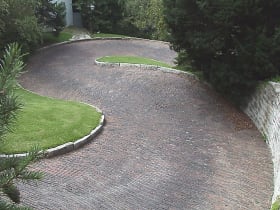
Snake Alley climbs a steep bluff in downtown Burlington, a brick street built in 1894 with a series of tight switchback curves to help horse teams manage the grade.