
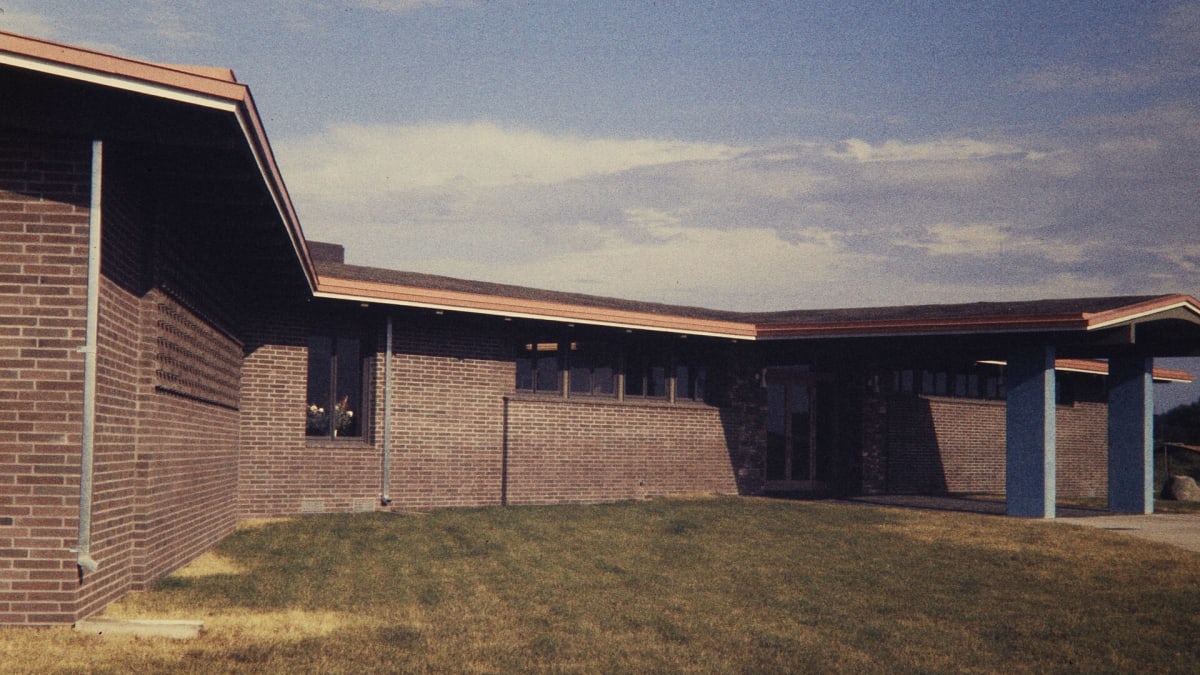
Pipestone National Monument
36 Reservation Ave, Pipestone, MN
Pipestone, MN
A stretch of tallgrass prairie where Native peoples have quarried soft red stone for ceremonial pipes for centuries, and still do today.
Pipestone National Monument protects a low band of red stone on the open prairie of southwest Minnesota, a place where Native peoples have come for centuries to quarry the soft rock they carve into ceremonial pipes. The stone lies in a thin layer beneath a hard cap of pink quartzite, and reaching it means hard digging by hand, work that has been done here far longer than any written record.
What makes this place remarkable is that it is not a ruin or a museum piece. The quarrying still happens, and Native artisans still shape the stone into pipes, the sacred objects at the heart of prayer and ceremony across the Plains. Congress set the site aside in 1937 to protect both the quarries and the right of Native peoples to keep using them.
What Travelers Love
- Watching Native artisans carve pipes and pendants from the soft red stone
- The Circle Trail past the quarry pits, the quartzite ledges, and Winnewissa Falls
- A rare pocket of tallgrass prairie, tall and gold in late summer
- The deep sense of a place still sacred and still in active use
Worth Knowing
- This is a sacred site in active use; only enrolled members of federally recognized tribes may quarry the pipestone, by permit
- Stay on the trails and treat prayer offerings tied in the trees with respect
- The prairie is best in late summer and fall when the grasses and wildflowers peak
- Wear good shoes for the stone trail, which can be uneven and slick near the falls
Learn about Pipestone National Monument
A sacred quarry, still in use
For generations the red stone here has been quarried and carved into the bowls of ceremonial pipes, objects of deep spiritual meaning to the Dakota, the Ojibwe, and many other Native nations. The pipe joins the person praying to the sacred, and its stone is treated with corresponding care. Because the site is holy ground shared across many peoples, older tradition held it as neutral territory where visitors could quarry in peace.
That living use continues today. Federal law reserves the quarrying to enrolled members of federally recognized tribes, who work the pits by hand under permit, chipping away the hard quartzite cap to reach the soft red layer below. In the monument's visitor center, Native artisans often demonstrate the carving of pipes and other objects, so the craft is not preserved behind glass but practiced in the open.
The Dakota homeland and the name Mni Sota
This is Dakota country, part of the wider homeland the Dakota call Mni Sota Makoce, the land from which Minnesota takes its name. The Dakota bands, among them the Sisseton and Wahpeton, hunted and lived across this prairie, and the pipestone held a place of special reverence in their world.
Treaty history reshaped this landscape in the 1800s, as the Dakota ceded much of their land under pressure and were pushed onto ever smaller reservations, tensions that helped lead to the US-Dakota War of 1862. Through all of it, the pull of the quarries endured, and Native peoples kept returning to this ground. The reservation of quarrying rights in the 1937 law recognized a connection to the stone that no treaty had ever severed.
Red stone, pink quartzite, and the prairie
The pipestone itself is a soft, fine claystone tinted a deep brick red by iron, easy to carve when freshly dug and hardening as it dries. Geologists call the reddest and most prized form catlinite, after the painter George Catlin, who visited and described the quarries in the 1830s. It lies in a thin seam under a much harder cap of Sioux quartzite, a rose-colored rock that reaching the pipestone means breaking through.
That same pink quartzite forms the low ledges and outcrops across the monument and gave the town of Pipestone its handsome rose-colored buildings. Around the stone spreads a rare survival of tallgrass prairie, big bluestem and Indian grass and prairie wildflowers, one of the small remnants of the grassland that once rolled unbroken across this part of the state.
Winnewissa Falls and the walking loop
A walking loop called the Circle Trail leads visitors through the heart of the monument, past the quarry pits where the red stone is still worked, along the ledges of pink quartzite, and out onto the prairie. The trail is short and rewarding, threading between rock formations that carry their own names and stories.
Its centerpiece is Winnewissa Falls, where Pipestone Creek slips over a lip of quartzite into a shaded pool below. The falls run fullest in spring and after rain, and thin in the dry heat of late summer. Around them the trail passes carved graffiti left by soldiers and travelers in the 1800s and rock features long woven into local story.
Closest Boutels
The closest Boutel™ stays, so you can turn this stop into an overnight. Each is a place we chose through independent editorial review, never a paid placement.
Details
Pipestone, MN
Frequently asked questions
What is Pipestone National Monument?
Pipestone National Monument, in the town of Pipestone in southwestern Minnesota, protects sacred quarries where Native peoples have long quarried the soft red stone known as pipestone, or catlinite, used for centuries to carve ceremonial pipes of deep spiritual importance. The site remains sacred to many Native nations, and Native people still quarry the stone here today by hand under protected rights. Set amid tallgrass prairie with a scenic waterfall and rock outcrops, the monument offers a visitor center, trails, and demonstrations of pipe carving. With its sacred quarries, prairie, and Native heritage, Pipestone National Monument offers a profound destination in Minnesota.
Why is Pipestone sacred to Native peoples?
Pipestone is sacred because for centuries Native peoples of many nations have quarried its distinctive soft red stone to carve ceremonial pipes used in prayer and sacred rituals, making the quarries a place of profound spiritual importance, and many traditions hold the site and the stone as deeply holy. The quarries are considered common sacred ground, and Native people traveled great distances to obtain the stone in peace. Today, protected quarrying rights allow Native people to continue this sacred tradition. This enduring spiritual significance is central to understanding and respecting Pipestone National Monument in Minnesota.
How should I visit Pipestone National Monument respectfully?
Please visit Pipestone with deep respect for its sacredness to Native peoples: stay on designated trails, do not disturb the quarries, the active quarry pits worked by Native people, or any offerings, prayer ties, or ceremonial items you may see, and approach the site quietly and thoughtfully as the sacred ground it is. Watching pipe-carving demonstrations at the visitor center and learning the history deepen understanding. Following all site guidance honors the living Native traditions. Visiting reverently and respecting the active sacred quarrying ensures Pipestone National Monument is honored in Minnesota.
What can you do at Pipestone National Monument?
You can walk the trail through the prairie past the sacred quarries, a scenic waterfall, and dramatic red rock outcrops, visit the visitor center with its exhibits on the pipestone tradition and Native cultures, watch Native artisans demonstrate pipe carving, and reflect on the site's profound history and spirituality. The quarries, the prairie, the waterfall, and the demonstrations are highlights. It is a moving and educational experience. With its sacred quarries, prairie trail, and cultural demonstrations, Pipestone National Monument offers a meaningful visit in southwestern Minnesota, approached with respect.
What is near Pipestone National Monument?
Pipestone National Monument is in the town of Pipestone in southwestern Minnesota, within reach of Blue Mounds State Park with its quartzite cliffs and bison, the Blue Mounds bison herd overlook, Lake Shetek and the prairie parks, and the tallgrass prairie country of the region. That makes Pipestone National Monument a profound stop to combine with Blue Mounds State Park and the other attractions of southwestern Minnesota's prairie country on a visit to the state.
Nearby
Blue Mounds Bison Herd Overlook
22 miles away
Blue Mounds bison overlook: inside Blue Mounds State Park north of Luverne. Kids can watch a genuine bison herd graze the prairie from a safe overlook and from park roads, no long hike required.
Blue Mounds State Park
22 miles away
Blue Mounds State Park: about 5 miles north of Luverne. The quartzite cliff and the native prairie on top are among the best surviving in southwest Minnesota, and a bison herd grazes the grassland, vi...
Palisades State Park
24 miles away
Palisades State Park: near Garretson, off SD-11 northeast of Sioux Falls. A park license is required.