
Pawnee Buttes
Pawnee Buttes, Colorado
Grover, CO
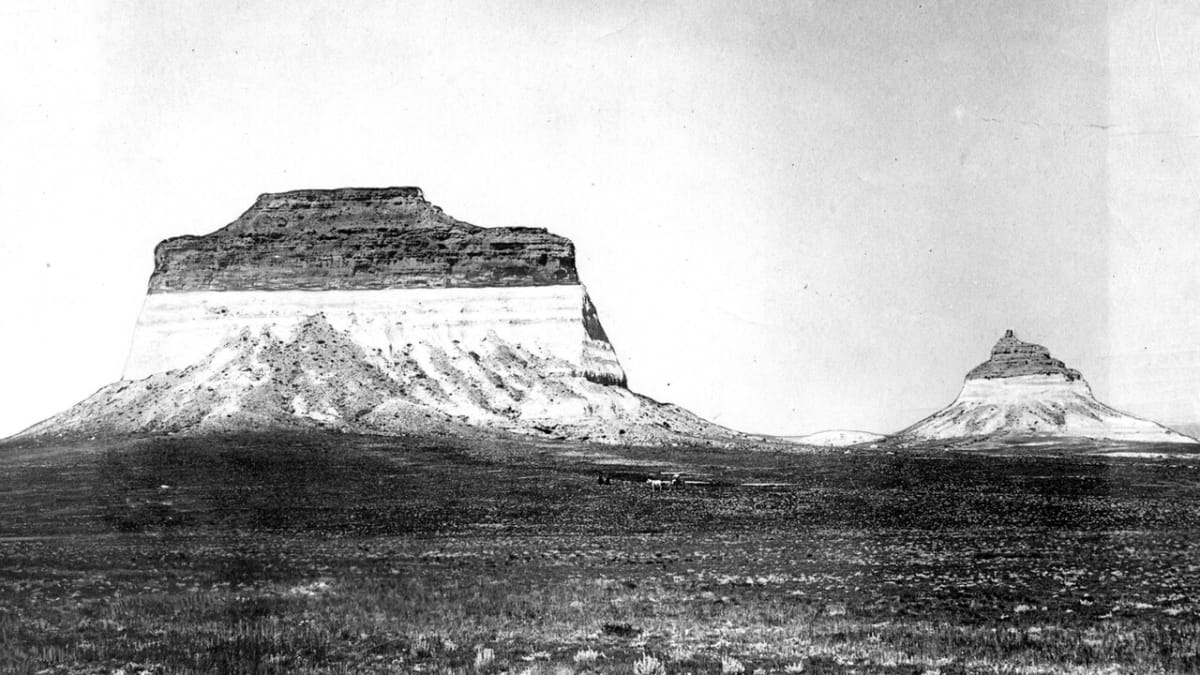
Two lonely sandstone towers standing out of an endless sea of grass, marking a horizon that runs uninterrupted for miles.
The Pawnee Buttes are two striking sandstone buttes that rise abruptly out of the flat shortgrass prairie of northeastern Colorado, visible from far across the plains. In a landscape defined by its emptiness and its endless horizon, the buttes are landmarks, remnants of an older, higher land surface that has largely eroded away, leaving these two capped towers standing alone.
A trail leads out across the grassland to the base of the buttes, one of the finest short hikes on the eastern plains, passing crumbling bluffs and offering a real sense of the scale of this open country. It is a place of raptors and wide skies, of solitude and distance, and it rewards travelers willing to venture off the beaten path into Colorado's quiet prairie.
What Travelers Love
- Twin buttes standing out of a vast, empty grassland
- A quiet, uncrowded trail leading out to their base
- Enormous skies, dark nights, and total open-plains silence
- Watching hawks, eagles, and falcons ride the winds along the bluffs
Worth Knowing
- Part of the cliffs closes seasonally to protect nesting raptors, so heed the signs
- It is remote with no services, so bring water, fuel, and everything you need
- There is no shade on the trail, so plan for sun, wind, and heat
- Roads out here are dirt and can turn to slick mud when wet
Learn about Pawnee Buttes
How the buttes came to stand alone
The Pawnee Buttes are made of soft sedimentary rock, sandstone and clay laid down over millions of years, capped by a harder, more resistant layer that has protected them from the erosion that wore down the land around them. As the surrounding plains washed and blew away over the ages, these two capped remnants were left standing, monuments to a land surface that once reached far higher.
The bluffs and badlands near the buttes are rich in fossils, and the region has long been of interest to paleontologists studying the ancient life of the plains. Erosion continues to shape the buttes and the nearby cliffs, slowly and steadily, so the landscape you see is a snapshot of a very old, very gradual process still at work.
The trail and the walk out
The Pawnee Buttes Trail sets out from a small parking area and crosses the open grassland toward the buttes, running for a few miles round trip. It is mostly level and straightforward, though the sun, wind, and lack of shade make water and preparation essential, and it delivers big rewards for modest effort.
Along the way the path passes crumbling clay bluffs and the West Butte, with the taller East Butte standing beyond on private land. The walk gives you time to absorb the scale of the plains, the layered colors of the eroding cliffs, and, if you are lucky, the sight of hawks or an eagle drifting along the rimrock ahead of you.
Nesting raptors and the closures
The cliffs of the Pawnee Buttes are important nesting habitat for birds of prey, including hawks, falcons, and eagles, which favor the ledges and overhangs of the eroding bluffs. Because of this, part of the trail and cliff area closes each year during the nesting season to protect the birds during a sensitive time.
Those seasonal closures are clearly posted, and honoring them is part of visiting responsibly, since a disturbed nest can mean lost young. Even when the cliffs are closed, the buttes and the grassland reward a visit, and watching a prairie falcon or golden eagle work the winds along the bluffs is one of the great sights of this remote corner of Colorado.
The prairie, the sky, and the seasons
This is the land of the shortgrass prairie, a subtle ecosystem that reveals its riches to those who slow down: pronghorn out on the flats, prairie dogs in their towns, and a wealth of grassland birds. It is also the homeland of Plains peoples including the Cheyenne and Arapaho, whose history is woven through this landscape. The dark night skies out here, far from any city glow, are magnificent.
Spring and fall are the best times to visit, mild and often stirring with bird activity and, in spring, wildflowers among the grass. Summer is hot and exposed, with the ever-present risk of afternoon storms and lightning on the open plains, so early starts are wise. Winter is cold, windswept, and stark, but a snow-dusted butte under a huge quiet sky has its own austere beauty.
Closest Boutels
The closest Boutel™ stays, so you can turn this stop into an overnight. Each is a place we chose through independent editorial review, never a paid placement.
Details
Grover, CO
Frequently asked questions
What are the Pawnee Buttes?
The Pawnee Buttes are two dramatic, isolated rock buttes rising several hundred feet above the surrounding shortgrass prairie in the Pawnee National Grassland on the high plains of northeastern Colorado. These striking landmarks, remnants of an ancient landscape left standing as the surrounding terrain eroded away, punctuate the vast, open plains with their sculpted cliffs and offer a scenic destination for hiking and photography. Reached by a trail across the grassland, the Pawnee Buttes are a beloved and unique feature of the Colorado prairie, drawing hikers, birdwatchers, and those seeking the wild, wide-open beauty of the eastern plains.
Can you hike to the Pawnee Buttes?
Yes, a trail leads across the open prairie to and around the Pawnee Buttes, a hike of a few miles round trip over relatively flat but exposed terrain, offering close-up views of the dramatic buttes and cliffs. The trail is moderate, but the lack of shade and the exposure to sun and wind make it feel more demanding, so carrying plenty of water and sun protection is important. Note that portions of the area near the buttes close seasonally, typically in spring and early summer, to protect nesting raptors, so checking current trail status before you go is wise.
What safety precautions should I take at the Pawnee Buttes?
The trail crosses exposed, shadeless prairie where heat, strong sun, and wind can be intense, so bring ample water, sun protection, and layers, and avoid hiking in the heat of the day in summer. Afternoon thunderstorms bring dangerous lightning on the open plains, so check the weather and leave if storms threaten. The area is remote with limited services and possibly no cell coverage, so be self-sufficient and tell someone your plans. Near the buttes, stay back from cliff edges. Being prepared for the exposed conditions and weather ensures a safe hike to the buttes.
When is the best time to visit the Pawnee Buttes?
Spring and fall offer the most pleasant temperatures for the exposed hike, with spring bringing wildflowers and green prairie, though note that seasonal closures to protect nesting raptors may restrict access near the buttes in spring and early summer, so checking current status is important. Summer can be hot and stormy, so early morning hikes are best then, and winter is cold and windy. For comfortable weather and open access, fall is often ideal, or spring outside the closure areas, always preparing for the exposed, remote conditions of the high plains.
What is near the Pawnee Buttes?
The Pawnee Buttes rise within the Pawnee National Grassland on the high plains of northeastern Colorado, near the grassland's famous prairie-dog towns and raptor-watching areas, the town of Greeley to the southwest, and within reach of Fort Collins and the Front Range. That makes the Pawnee Buttes a dramatic and unique stop to combine with the birding and wildlife of the Pawnee National Grassland and the northern Colorado Front Range attractions on a visit to the state, offering a striking prairie landmark far from the mountains.
Nearby

Pawnee National Grassland
3.0 miles away
The Pawnee National Grassland northeast of Greeley preserves 193,000 acres of shortgrass prairie - the native ecosystem that covered 560 million acres of the Great Plains before European settlement.
Pawnee Grassland Prairie Dog Towns and Raptor Watching
6.9 miles away
Black-tailed prairie dog colonies along the roads through the Pawnee National Grassland are visible year-round and extremely accessible to young children - the colonies are literally roadside, with an...

Wyoming State Museum
49 miles away
The Wyoming State Museum in Cheyenne is free and covers Wyoming from prehistory to the present, including a walk-through sod house, a Union Pacific locomotive, and exhibits on the state's mineral econ...