
National Baseball Hall of Fame
25 Main St, Cooperstown, NY
Cooperstown, NY
The shrine of American baseball on the main street of a lakeside village, where the plaques of the game's immortals and its greatest artifacts fill a red-brick hall.
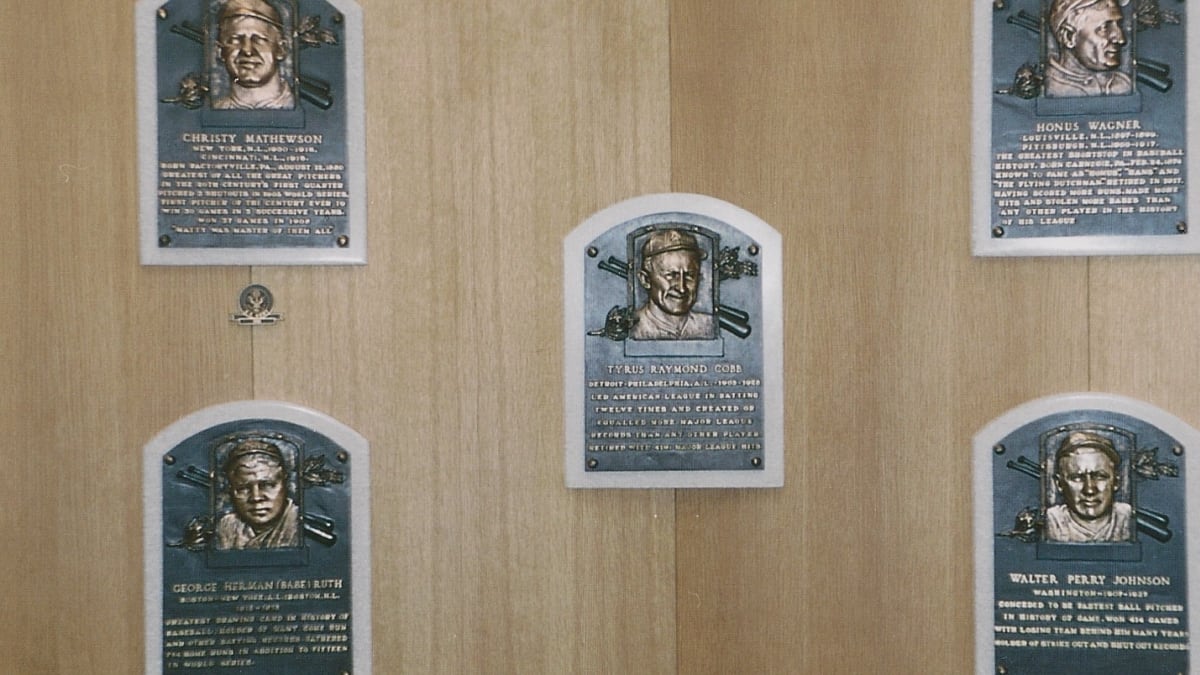
The National Baseball Hall of Fame is the heart of the American game, a red-brick hall on the Main Street of Cooperstown where the sport honors its greatest players, managers, and pioneers. Its plaque gallery, a solemn room lined with the bronze likenesses of the inducted immortals, is the destination every baseball fan comes to see, backed by galleries of the game's most treasured artifacts.
Cooperstown was chosen because of an old, now-disputed legend that baseball was invented here, and while historians have long set that story aside, the village has become the true spiritual home of the sport all the same. The museum traces the game from its earliest days through its modern era, and each summer's induction weekend turns the little lakeside town into the center of the baseball world.
What Travelers Love
- The gallery of bronze plaques honoring the game's inducted legends
- Iconic artifacts, from historic uniforms and bats to relics of famous moments
- A walkable village that lives and breathes baseball
- Induction weekend, when the game's stars and fans fill the town
Worth Knowing
- Induction weekend in summer is by far the busiest time, so plan lodging early
- The exhibits are deep, so allow at least half a day to do them justice
- Cooperstown's Main Street is walkable, so park and explore on foot
- Pair it with Otsego Lake and the Farmers' Museum for a fuller day
Learn about National Baseball Hall of Fame
The village and the legend
Cooperstown sits at the foot of Otsego Lake in country that was long part of the Haudenosaunee homeland, near lands of the Mohawk and Oneida, whose peoples lived and traveled through this region and continue as nations in New York today. The village was founded by the family of the novelist James Fenimore Cooper, who set his Leatherstocking Tales in these hills and lakes.
In the early twentieth century a commission credited a Cooperstown man with inventing baseball here, a claim later shown to be a myth. But the story gave the game a home, and when the Hall of Fame opened in 1939 it fixed Cooperstown as baseball's shrine, whatever the true origins of the sport.
The plaque gallery and the game's treasures
The emotional center of the museum is the plaque gallery, a hushed hall lined with the bronze plaques of every inducted member, from the first class of the game's founding legends onward. Fans walk it slowly, tracing the history of the sport through its greatest names.
Around it, the galleries hold an unmatched collection of baseball artifacts, historic uniforms and gloves, bats swung in famous moments, and relics of the game's milestones and its social history, including the story of the color line and its breaking. The exhibits reach into every corner of the game, from the dead-ball era to the present day.
A town that runs on the game
Cooperstown's Main Street is a run of memorabilia shops, ballfields, and eateries all built around the sport, and the whole village hums with baseball spirit through the warm months. Youth tournaments fill the surrounding fields, and families come to combine a museum visit with a taste of small-town America.
Induction weekend each summer is the great event, when newly elected members and legends of the past gather and tens of thousands of fans descend on the village. It is a pilgrimage as much as a ceremony, and the town swells to many times its ordinary size.
Season by season
Summer is the height of the Cooperstown season, capped by induction weekend and busy with youth tournaments and family travel. Spring and fall are quieter and lovely, with the lake and hills at their best and the museum easier to explore at a relaxed pace.
Because the Hall of Fame is indoors, it welcomes visitors year-round, and winter turns the lakeside village into a snug, snowy retreat with the crowds long gone. Whatever the season, the plaque gallery and the exhibits wait much the same inside.
Closest Boutels
The closest Boutel™ stays, so you can turn this stop into an overnight. Each is a place we chose through independent editorial review, never a paid placement.
Details
Cooperstown, NY
Frequently asked questions
What is there to see at the National Baseball Hall of Fame?
The museum fills three floors in the heart of Cooperstown with the story of baseball, from historic artifacts like legendary players' bats and jerseys to interactive exhibits tracing the game's evolution. Its heart is the hushed, cathedral-like Plaque Gallery, where bronze plaques honor the more than three hundred inducted greats. For fans, standing among those plaques is a genuine pilgrimage, and there is enough to absorb baseball lovers of every generation.
How long should I plan for a visit to the Baseball Hall of Fame?
Most visitors spend around two to four hours, and true fans can easily fill a half day taking in the exhibits, the Plaque Gallery, and the films. It is best to buy tickets online in advance and arrive near opening to enjoy the galleries before they fill. The museum sits in a compact, walkable village, so it pairs naturally with a relaxed day exploring Cooperstown on foot.
What is Hall of Fame Induction Weekend like?
Held each summer, Induction Weekend is the biggest event in Cooperstown, when new inductees are honored at a free public ceremony and Hall of Famers ride down Main Street in a Parade of Legends to cheering crowds. It is thrilling but extremely busy, with the small town packed and parking scarce. If you want the induction experience, book lodging and plan logistics far ahead; if you prefer a calm museum visit, avoid that weekend.
When is the best time to visit the Baseball Hall of Fame?
The museum is open year-round, and any season works, but summer is busiest, peaking around Induction Weekend, while spring and fall bring thinner crowds and a more relaxed pace. Arriving right at opening on any day means quieter galleries. Cooperstown is lovely in autumn, so a fall visit combines an easy museum day with the scenic Otsego Lake country in beautiful color.
What else is there to do in Cooperstown?
Plenty to round out a baseball weekend. Historic Doubleday Field sits just behind the museum, and the village offers baseball shops, eateries, and lake views along Otsego Lake, the 'Glimmerglass' of literary fame. Nearby you will find the living-history Farmers' Museum and the Fenimore Art Museum, plus boat rides on the lake. It makes an easy, charming small-town base for a couple of days.
Nearby
Council Rock at Otsego Lake
0.5 miles away
At the foot of Otsego Lake in Cooperstown, a small lakeside park frames Council Rock, a boulder sitting in the shallows where the Susquehanna River begins.
The Farmers' Museum
1.0 miles away
This is history kids can walk into. The Farmers' Museum near Cooperstown is a living 1840s village where costumed workers run a real farm and old-time trades, so children can watch a blacksmith at the...

Munson Museum of Art
32 miles away
Utica gets overlooked, and so does this museum, which is a shame.