
Muleshoe National Wildlife Refuge
Co Rd 1078, Muleshoe, TX
Muleshoe, TX
The oldest national wildlife refuge in Texas, where tens of thousands of sandhill cranes gather each winter over shallow prairie lakes on the high plains.
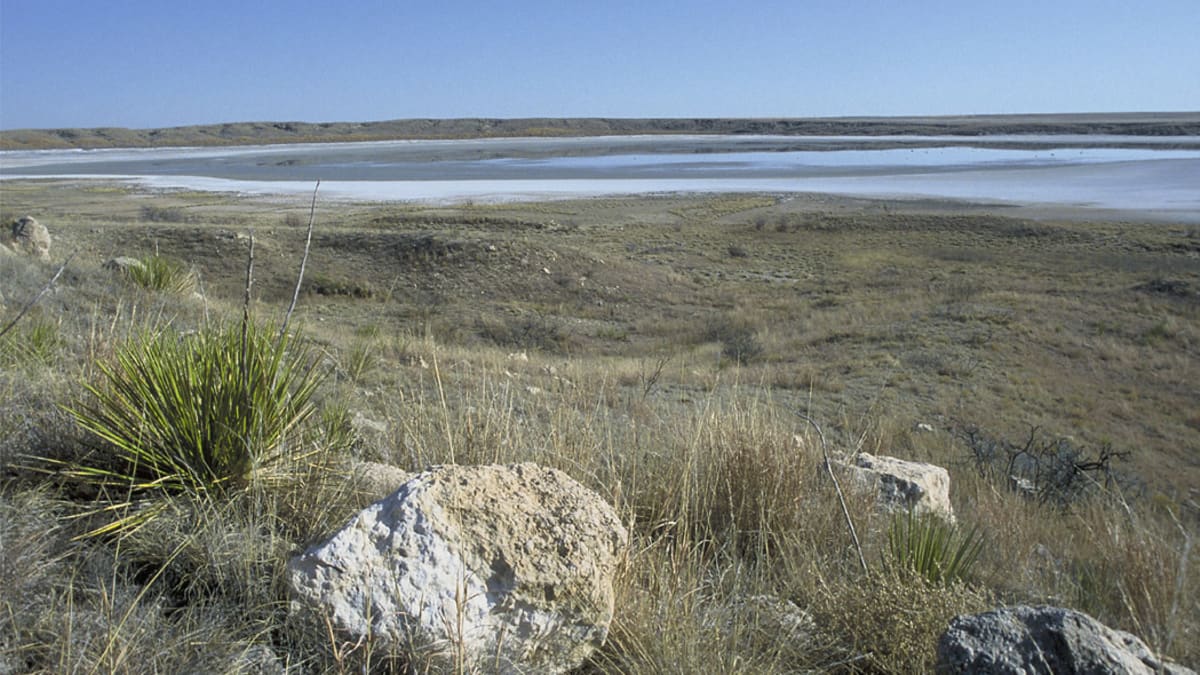
Muleshoe National Wildlife Refuge is the oldest refuge in Texas, established in 1935 on the high, dry tableland of the Llano Estacado in the western Panhandle. It protects a stretch of shortgrass prairie and a cluster of shallow playa lakes, the seasonal basins that gather rainwater on the otherwise level plains, and those lakes are the heart of the refuge's importance.
Each winter, when the playas hold water, the refuge becomes one of the great wintering grounds for sandhill cranes, drawing tens of thousands of the tall gray birds to roost and feed. Their arrival transforms a quiet corner of the plains into a spectacle of sound and motion, one of the finest wildlife shows in Texas and a testament to why this remote ground was set aside so long ago.
What Travelers Love
- Tens of thousands of wintering sandhill cranes filling the sky and the lakes
- The wide, quiet prairie of the Llano Estacado under enormous skies
- Prairie dog towns and the raptors and other wildlife they attract
- The sense of solitude on the oldest wildlife refuge in Texas
Worth Knowing
- The crane spectacle depends on winter and on water in the playa lakes, which can be dry in drought years
- This is a remote refuge with limited facilities, so bring water, fuel, and supplies
- Dawn and dusk are the best times to see the cranes coming and going from the roost lakes
- Bring binoculars or a spotting scope; the birds gather at a distance across open water
Learn about Muleshoe National Wildlife Refuge
The oldest refuge in Texas
Muleshoe was established in 1935, in the depths of the Dust Bowl, as a refuge for migratory birds on the Southern Plains, making it the first national wildlife refuge in Texas. It was created at a moment when the prairies of the region were blowing away in the great dust storms, and the idea of protecting habitat and water for wildlife carried real urgency. Much of its early work, including buildings and water structures, was done by Depression-era conservation crews.
The land itself is part of the Llano Estacado, the vast staked plain named by early Spanish travelers for its featureless, table-flat expanse. This was Comanche country, the heart of the Southern Plains where the Comanche and, before them, the Apache followed the buffalo across the grasslands. The playa lakes were vital sources of water in an arid land, known to Native peoples and later to ranchers, and they remain the reason wildlife concentrates here.
The cranes of winter
The refuge is best known for its sandhill cranes, which pour in by the tens of thousands in a good winter, one of the largest concentrations anywhere. The cranes roost overnight on the shallow water of the playa lakes, safe from predators, then fly out at dawn to feed in the surrounding fields, returning at dusk in long, calling skeins that fill the sky. The sound of a crane roost, a rolling, bugling chorus from thousands of birds, is unforgettable.
The whole spectacle depends on water. In wet years the playas fill and the cranes come in force; in drought years the lakes go dry and the birds scatter elsewhere. So a winter visit is a bit of a gamble on the weather, but when the water and the cranes align, few wildlife experiences in Texas rival it. Dawn and dusk, when the birds move between roost and field, are the times to be there.
Prairie, playas, and other wildlife
Beyond the cranes, the refuge is home to a broad cast of shortgrass-prairie wildlife. Prairie dog towns dot the grassland, their burrows and lookouts supporting a whole community of dependent species, from burrowing owls to hawks and coyotes that hunt them. Pronghorn, mule deer, and jackrabbits range the open plains, and the refuge is a stronghold for grassland birds that are declining across much of their range.
The playa lakes, when full, draw waterfowl and shorebirds in addition to the cranes, and raptors work the skies above the prairie dog towns year round. The mix of grassland, seasonal wetland, and the towns of burrowing rodents makes Muleshoe a rich place for wildlife watching, a green and living pocket in a landscape that can otherwise seem endless and empty.
Season by season
Winter is the marquee season, the time of the sandhill cranes and, with them, of wintering hawks, eagles, and waterfowl. Cold, clear days on the high plains, with cranes filling the sky at dawn and dusk, are what most visitors come for.
Spring and fall bring migration, with waves of birds passing through and the prairie greening or fading with the seasons. Summer is hot and dry on the exposed plains, the quietest time, though the prairie dogs and resident wildlife carry on and the huge skies are always a draw. In any season this is remote country, so a visit rewards preparation, patience, and a willingness to slow down and watch the wide land come alive.
Closest Boutels
The closest Boutel™ stays, so you can turn this stop into an overnight. Each is a place we chose through independent editorial review, never a paid placement.
Details
Muleshoe, TX
Frequently asked questions
What is Muleshoe National Wildlife Refuge?
Muleshoe National Wildlife Refuge, in the West Texas plains south of the Panhandle near the town of Muleshoe, is the oldest national wildlife refuge in Texas, protecting a landscape of shortgrass prairie and shallow saline lakes. The refuge is famous as a wintering ground for enormous flocks of sandhill cranes, which gather here by the tens of thousands in the colder months in one of the great wildlife spectacles of the region, along with waterfowl and other birds and prairie wildlife. It is a haven for birdwatchers and nature lovers. With its wintering cranes, prairie, and wetlands, Muleshoe National Wildlife Refuge offers a remarkable wildlife destination in West Texas.
When can you see sandhill cranes at Muleshoe National Wildlife Refuge?
The sandhill cranes gather at Muleshoe in the colder months, typically from fall through winter, when tens of thousands may congregate around the refuge's shallow lakes, creating an unforgettable spectacle of sight and sound, especially at dawn and dusk when the birds move to and from their roosts. The numbers depend on water conditions and the season, so checking current reports can help. Bringing binoculars and viewing from a respectful distance enhances the experience. For the great crane spectacle, aim for fall through winter at Muleshoe National Wildlife Refuge in West Texas.
What can you do at Muleshoe National Wildlife Refuge?
You can watch for wildlife, above all the wintering sandhill cranes and waterfowl in the colder months, along with prairie birds, deer, and other animals, drive or hike to observe the shallow lakes and shortgrass prairie, photograph the landscape and birds, and enjoy the quiet, wide-open plains. Birdwatching is the main draw, especially the crane spectacle. The refuge is a peaceful, remote place for nature. With its wintering cranes, prairie wildlife, and open scenery, Muleshoe National Wildlife Refuge offers a rewarding wildlife-watching experience in West Texas, best enjoyed with binoculars and a respectful distance from the animals.
What should I know before visiting Muleshoe National Wildlife Refuge?
The refuge is a remote, undeveloped area with few facilities, so bring water, food, sun protection, and a full tank of gas, and be prepared for the exposed plains, which can be hot in summer and cold and windy in winter, especially at dawn for crane viewing. Some roads are unpaved and can be rough or impassable when wet. Watch wildlife from a respectful distance and stay on designated roads and areas. Coming prepared for the remote setting and dressing for the weather ensures a safe and rewarding visit to Muleshoe National Wildlife Refuge in West Texas.
What is near Muleshoe National Wildlife Refuge?
Muleshoe National Wildlife Refuge is in the West Texas plains near the town of Muleshoe, within reach of the southern Panhandle, Lubbock to the southeast, and the route toward Amarillo and the Panhandle attractions to the north. That makes Muleshoe National Wildlife Refuge a remarkable wildlife stop to combine with the other attractions of the Texas Panhandle and plains region on a visit to the state.
Nearby
Blackwater Draw and the Clovis People
31 miles away
At Blackwater Draw between Clovis and Portales, archaeologists in the 1930s found distinctive stone spear points among the bones of mammoths and other Ice Age animals.