

Mississippi Civil Rights Museum
226 N President St, Jackson, MS
Jackson, MS
A moving, unflinching museum where the story of Mississippi's freedom struggle unfolds around a soaring central sculpture that glows and sings when visitors gather.
The Mississippi Civil Rights Museum in Jackson is among the most powerful history museums in the country, telling the story of the state's long freedom struggle with honesty and care. Its galleries carry visitors from the era of slavery through the brutal years of segregation and into the heart of the civil rights movement, when Mississippi became a decisive and dangerous battleground in the fight for equality. The museum does not look away from the hardest chapters, and it gives voice to the people, famous and ordinary, who risked everything for change.
At the center of the museum is a luminous work of art, a sculpture called This Little Light of Mine that rises through a circular rotunda. As visitors gather beneath it, the sculpture brightens and the freedom song that gives it its name swells through the space, so that the movement's own music becomes part of the experience. It is a moment of light and hope set at the heart of a hard and necessary story.
What Travelers Love
- The central rotunda sculpture, This Little Light of Mine, which brightens and fills with song as visitors gather beneath it
- Galleries that trace the struggle honestly, from bondage through the movement years to today
- The pairing with the Museum of Mississippi History next door for the fuller story
- Personal stories, voices, and artifacts that put faces and names to the history
Worth Knowing
- The subject matter is heavy and moving; give yourself unhurried time and space to reflect
- It shares a building with the Museum of Mississippi History, and a combined visit is worthwhile
- It sits in walking distance of several downtown Jackson historic sites
- The museum is designed for careful, quiet engagement rather than a quick pass-through
Learn about Mississippi Civil Rights Museum
The story the museum tells
The museum's galleries move through time in a deliberate sequence, beginning with the enslavement of African people in Mississippi and moving through Reconstruction, the imposition of segregation, and the decades of terror and disenfranchisement that followed. It sets the stage for why the state became such a crucial front in the national struggle for civil rights, and it does so with documents, photographs, recordings, and the words of those who lived it.
From there the museum turns to the movement years themselves, when organizers, students, sharecroppers, and ministers challenged the system at enormous personal cost. Visitors encounter the boycotts, the voter registration drives, the Freedom Summer of 1964, and the leaders and martyrs whose names are woven into American history. The telling is unflinching, and it insists that this is not distant history but a story with living memory and lasting consequence.
Mississippi at the center of the movement
No state was more central or more perilous to the civil rights movement than Mississippi. It was here that a young Emmett Till was murdered in 1955, an event that helped ignite the national movement; here that Medgar Evers, the state's NAACP field secretary, was assassinated in his own driveway in Jackson in 1963; and here that three civil rights workers were killed near Philadelphia during Freedom Summer in 1964. Each of these stories is told with gravity inside the museum.
The museum also honors the countless local people whose courage rarely made the newspapers, the families who housed organizers, the citizens who tried to register to vote and lost their jobs or their homes for it, the students who marched. By naming them and preserving their testimony, the museum makes clear that the movement was carried forward by ordinary Mississippians as much as by its famous leaders.
This Little Light of Mine
The emotional heart of the building is its central rotunda and the sculpture within it, titled This Little Light of Mine after the beloved freedom song. The interactive work responds to the presence of visitors: as more people gather beneath it, the sculpture grows brighter and the song rises around them, turning a quiet crowd into a moment of shared light and voice.
The effect is deliberate. After moving through galleries that hold so much grief and injustice, visitors arrive at a space built for hope and communion, where the movement's own music surrounds them. It is a reminder that the freedom struggle was sustained by song and faith, and that its story is meant not only to be studied but to be carried forward.
Two museums, one visit
The Civil Rights Museum shares its building with the Museum of Mississippi History, the two designed together as the Two Mississippi Museums and opened during the state's bicentennial in 2017. The companion museum tells the broad sweep of the state's history, from the Indigenous nations who first lived here through European settlement, statehood, and the modern era, so the two together give a fuller and more honest picture of Mississippi.
Jackson itself sits in the ancestral homeland of the Choctaw people, whose presence in the region long predates the city. The Mississippi Band of Choctaw Indians remains a federally recognized tribe in the state today, centered near Philadelphia to the northeast. A visit to the museums pairs naturally with the downtown historic district, where the Old Capitol and other landmarks stand within easy reach.
Closest Boutels
The closest Boutel™ stays, so you can turn this stop into an overnight. Each is a place we chose through independent editorial review, never a paid placement.
Details
Jackson, MS
Frequently asked questions
What is the Mississippi Civil Rights Museum?
The Mississippi Civil Rights Museum, in Jackson, Mississippi, is a powerful and deeply moving museum chronicling the struggle for civil rights in Mississippi, a state at the heart of the movement. The museum tells the story of the fight against slavery, segregation, and injustice, and the courageous struggle for freedom and equality, through compelling exhibits, personal stories, artifacts, and moving memorials, honoring those who fought and sacrificed, including the many who gave their lives. It confronts a painful and important history with honesty and care. A profound and moving place of history, it educates and moves visitors. With its history, the Mississippi Civil Rights Museum offers a meaningful destination in Mississippi.
What can you see at the Mississippi Civil Rights Museum?
You can experience compelling exhibits tracing the long struggle for civil rights in Mississippi, from slavery through segregation and the pivotal events of the movement, see artifacts and personal stories, and reflect at moving memorials honoring those who fought and sacrificed. The powerful exhibits, the personal stories, the historical artifacts, and the memorials are the heart of the museum, offering a profound and educational experience. The history it tells, including the sacrifices of martyrs of the movement, is deeply affecting. With its exhibits, the museum offers a meaningful visit in Jackson, Mississippi.
How should visitors approach the Mississippi Civil Rights Museum?
The Mississippi Civil Rights Museum tells a profound and often painful history of injustice, courage, and sacrifice, so visitors should approach it with respect, reflection, and an open heart, prepared to engage with difficult truths and to honor the humanity and bravery of those who struggled for freedom and equality. Taking time to absorb the exhibits and being considerate of the gravity of the history are important. Approaching the museum with respect and reflection honors its purpose at the Mississippi Civil Rights Museum in Mississippi.
When is the best time to visit the Mississippi Civil Rights Museum?
As an indoor museum, the Mississippi Civil Rights Museum is enjoyable year-round in any weather, making it a meaningful stop in any season, and it shares a building with the Museum of Mississippi History, so allowing plenty of time is wise. Because hours can vary, checking the current schedule before you go is wise. Because it is indoors, the Mississippi Civil Rights Museum makes a rewarding stop any time of year in Jackson, Mississippi.
What is near the Mississippi Civil Rights Museum?
The Mississippi Civil Rights Museum is in downtown Jackson, Mississippi, within reach of the Museum of Mississippi History in the same building, the Mississippi Children's Museum, the Eudora Welty House, the Mississippi Museum of Natural Science, and the other attractions of Jackson. That makes the Mississippi Civil Rights Museum a meaningful stop to combine with the other attractions of Jackson on a visit to Mississippi.
Nearby
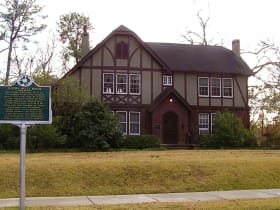
Eudora Welty House and Garden
1.3 miles away
Readers make the pilgrimage; others are surprised to find it. The Eudora Welty House at 1119 Pinehurst St in Belhaven is where one of Americas great short-story writers lived nearly her entire life, a...
Mississippi Museum of Natural Science
1.7 miles away
A strong pick for kids who like animals and dinosaurs. The Mississippi Museum of Natural Science in LeFleurs Bluff park centers on a big 100,000-gallon aquarium of native fish, turtles, and alligators...
Mississippi Childrens Museum
1.7 miles away
This is the go-to indoor stop for families in Jackson, especially in heat or rain.