
Kentucky Coal Museum
231 Main St, Benham, KY
Benham, KY
The story of Appalachian coal told inside a former company store, in a mountain town International Harvester built from the ground up.
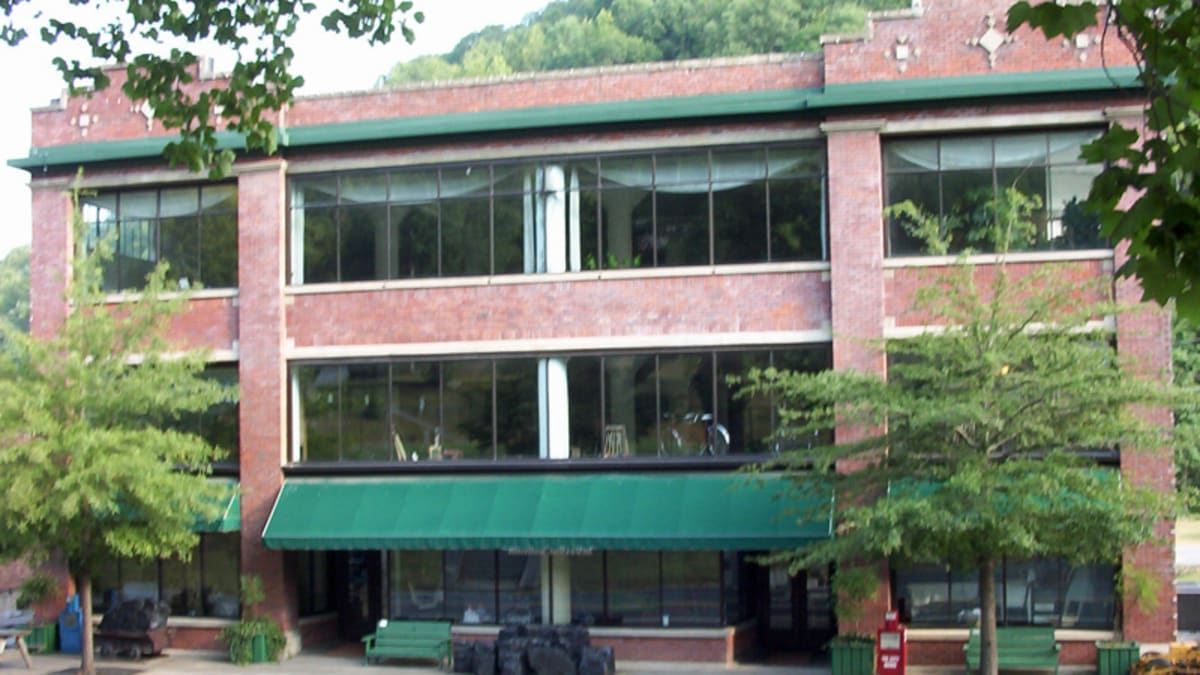
The Kentucky Coal Museum tells the story of the industry that shaped Appalachia, and it does so from inside the very kind of building that industry created: a former coal company store. Floor after floor of exhibits trace the world of the mines and the miners, from the tools and machinery to the daily life of the coal camps, along with mineral displays and a collection of memorabilia honoring Loretta Lynn, the coal miner's daughter born nearby.
The museum stands in Benham, a town in Harlan County that the International Harvester company built from the ground up to house and supply its miners. That setting, a real company town at the foot of Black Mountain in the heart of the eastern Kentucky coalfields, makes the museum's story feel less like a display and more like standing inside the history itself.
What Travelers Love
- A deep look at Appalachian coal history inside an authentic former company store
- The story of the company towns of Benham and Lynch, built by industry from scratch
- A collection of Loretta Lynn memorabilia honoring the coal miner's daughter
- A dramatic mountain setting at the foot of Black Mountain, Kentucky's high point
Worth Knowing
- The museum fills a large former company store, so allow time to work through its many floors and exhibits
- It sits deep in the Cumberland Mountains, a scenic but winding drive from the interstate
- Pair it with the nearby coal camp town of Lynch and the drive up Black Mountain
- Check ahead for seasonal hours, as this is a remote mountain destination
Learn about Kentucky Coal Museum
Coal that built the mountains' towns
In the early twentieth century, industrial companies came into the remote Cumberland Mountains to reach the thick seams of coal beneath them, and they built whole towns to do it. Benham was constructed by International Harvester and neighboring Lynch by United States Steel, each a planned community with company housing, schools, churches, a hospital, and, at its center, the company store where miners spent their scrip. Thousands of workers, many recruited from across the country and abroad, poured in to work the mines.
The museum is housed in Benham's former International Harvester commissary, one of these company stores, which makes the building itself an artifact. The company store was the economic and social hub of the coal camp, and to walk through it now, filled with the tools, records, and everyday objects of the mining life, is to step directly into the world these towns were built to serve.
The life and work of the miner
The museum's exhibits move through every part of the miner's world. There are the tools and heavy machinery of underground coal work, from picks and lamps to the equipment of mechanized mining, and displays that explain how the coal was cut, hauled, and shipped out to fuel the nation's factories and railroads. Photographs and personal belongings bring the miners and their families into focus.
It is an honest history, one that holds both the pride of the work and its hard cost. Coal mining was dangerous and grueling, and the coalfields saw fierce struggles over pay, safety, and union recognition, Harlan County among the most storied. The museum honors the labor and the community that grew up around it, telling a story central to the identity of southeastern Kentucky.
The coal miner's daughter
Among the museum's most-loved features is its collection of memorabilia dedicated to Loretta Lynn, the country music legend born in nearby Butcher Holler in Johnson County, whose signature song and autobiography, Coal Miner's Daughter, carried the world of the Kentucky coalfields to a national audience. The collection celebrates her roots in this mining country and the way her music gave voice to it.
Her story fits the museum perfectly, because it is the human side of the coal history the rest of the building tells. The mines were not only an industry but a way of life for families across these mountains, and Lynn's rise from a coal miner's home to the top of country music embodies both the hardship and the resilience that the museum sets out to honor.
Black Mountain and the surrounding coalfields
Benham sits at the foot of Black Mountain, at over four thousand feet the highest point in Kentucky, and the drive up its slopes rewards visitors with long views across the Cumberland Mountains. The surrounding country is deeply folded and forested, some of the most rugged and scenic in the state, and the neighboring company town of Lynch and its old mine portal are close by for a fuller look at coal-camp history.
This is ancestral mountain country, long part of the wider homeland and hunting grounds of the Cherokee and Shawnee, whose descendants continue today, largely removed to Oklahoma and the Carolinas. The remoteness that once drew the coal companies now makes the region a quiet, scenic corner of Appalachia, and the museum is its anchor, keeping the story of these mountains and the people who mined them alive.
Closest Boutels
The closest Boutel™ stays, so you can turn this stop into an overnight. Each is a place we chose through independent editorial review, never a paid placement.
Details
Benham, KY
Frequently asked questions
What is the Kentucky Coal Museum?
The Kentucky Coal Museum, in Benham in the Appalachian coalfields of southeastern Kentucky, preserves and tells the history of coal mining, which shaped the economy, communities, and culture of the region for generations. Housed in a former company store in a historic coal town, the museum's exhibits cover the hard and dangerous work of the miners, the coal-camp communities, mining equipment and history, and the region's heritage, honoring the miners and their families. It also includes memorabilia connected to Loretta Lynn, a coal miner's daughter. A moving and educational window into the coal heritage of Appalachia, it engages visitors. With its coal-mining history, the Kentucky Coal Museum offers a fascinating destination in Kentucky.
What can you see at the Kentucky Coal Museum?
You can explore exhibits on the history of coal mining in Appalachia, the hard and dangerous work of the miners, the coal-camp communities and company towns, historic mining equipment and tools, and the culture and heritage of the region, along with memorabilia connected to Loretta Lynn. The mining history, the story of the miners and their communities, and the historic artifacts are the highlights, offering a moving and educational look at the coal heritage that shaped the region. It honors the miners and their families. With its coal-mining history, the Kentucky Coal Museum offers an engaging visit in Kentucky.
Why is coal mining important to eastern Kentucky's history?
Coal mining is central to eastern Kentucky's history because for generations the coalfields of Appalachia drove the region's economy, drawing workers to hard, dangerous jobs underground and giving rise to coal-camp communities and company towns that shaped the culture and lives of the people. The industry brought both livelihood and hardship, including dangerous conditions, labor struggles, and the ups and downs of boom and bust. The Kentucky Coal Museum preserves this heritage and honors the miners. Understanding this coal history, including its difficult realities, enriches a thoughtful visit to the Kentucky Coal Museum in Kentucky.
When is the best time to visit the Kentucky Coal Museum?
As an indoor museum, the Kentucky Coal Museum is enjoyable year-round in various weather, making it a rewarding stop in any season, while the mild months are pleasant for the drive through the scenic Appalachian mountains to reach the historic coal town of Benham. Because hours can vary, checking the current schedule before you go is wise. For pleasant mountain travel weather, aim for spring through fall, or visit the museum any time of year, at the Kentucky Coal Museum in Benham, Kentucky.
What is near the Kentucky Coal Museum?
The Kentucky Coal Museum is in Benham in the Appalachian coalfields of southeastern Kentucky, within reach of the historic coal towns of the region, the surrounding Appalachian mountains, and the eastern Kentucky heritage sites. That makes the Kentucky Coal Museum a fascinating stop to combine with the other attractions of the eastern Kentucky coalfields and Appalachian country on a visit to the state.
Nearby
Southwest Virginia Museum Historical State Park
12 miles away
People do not expect a museum of this weight in a town this size, but Big Stone Gap earned it during the 1890s boom.
June Tolliver House
12 miles away
This is where fact and fiction meet in Big Stone Gap. The June Tolliver House at 522 Clinton Ave E is the real 1890s home where the young woman who inspired the heroine of The Trail of the Lonesome Pi...
Natural Tunnel State Park
22 miles away
Water spent more than a million years boring this one, and the result stops people cold.