
J.N. Ding Darling National Wildlife Refuge
23-7 Wildlife Dr
Sanibel, FL
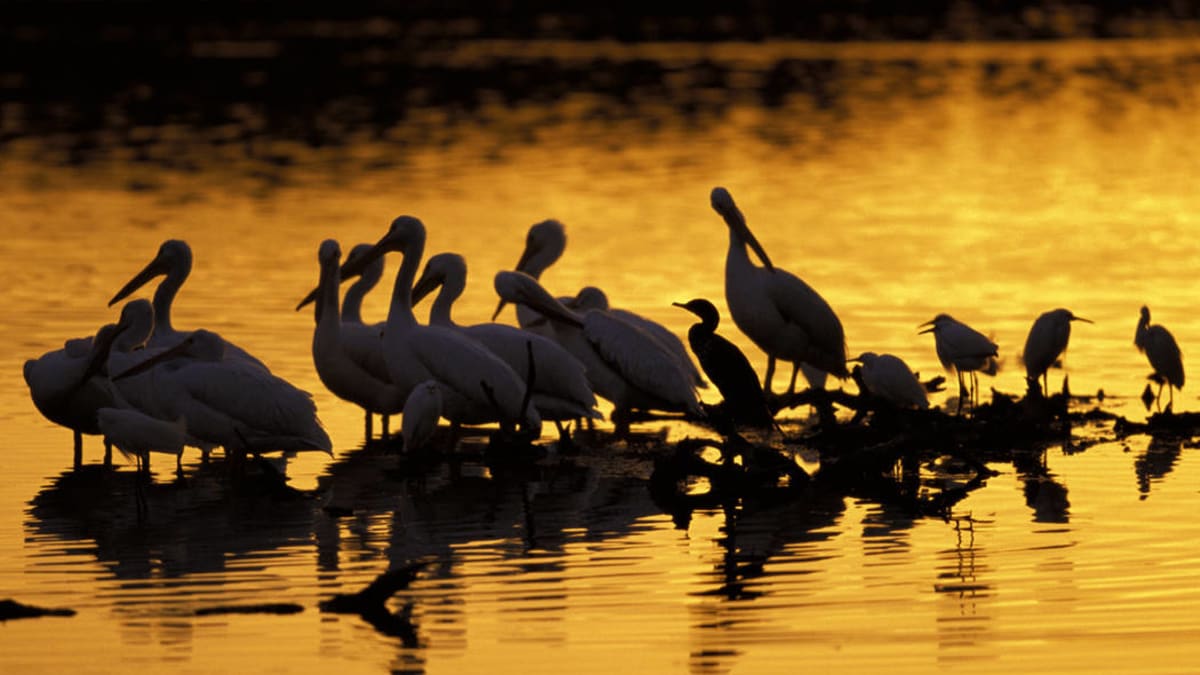
A mangrove estuary where spoonbills glow pink at low tide and the whole shoreline seems to lift into flight.
Ding Darling is one of the finest places in North America to watch wading birds, a sprawling mangrove refuge on Sanibel Island where the tides expose broad mud flats teeming with life. On a good low tide the flats fill with herons, egrets, ibis, pelicans, and the showstopping roseate spoonbill, a rosy-pink bird that sweeps its spoon-shaped bill through the shallows.
The refuge is named for Jay Norwood Darling, a Pulitzer Prize-winning newspaper cartoonist who spent winters on Sanibel and became one of the country's most influential conservationists. He helped launch the federal duck stamp program that funds wildlife lands, and this refuge, protecting the island's estuary from development, stands as a lasting piece of his legacy.
What Travelers Love
- Driving the Wildlife Drive at low tide when the birds gather to feed
- Spotting roseate spoonbills, their pink feathers vivid against the mud flats
- Paddling the calm mangrove trails by kayak or canoe
- The abundance of herons, egrets, ibis, and pelicans within easy view
Worth Knowing
- Low tide is the best time for birds, so time your visit to the tide chart rather than the clock
- The Wildlife Drive is closed one day each week to give wildlife a rest, so check the schedule
- Bring binoculars and insect repellent, especially in the warmer, buggier months
- The refuge is a working estuary, so keep a respectful distance and never feed or approach the animals
Learn about J.N. Ding Darling National Wildlife Refuge
Ding Darling, the cartoonist who saved the estuary
Jay Norwood Darling, known to readers by his pen name Ding, drew editorial cartoons that appeared in newspapers across the country and won him two Pulitzer Prizes. A passionate outdoorsman, he used his influence to push for wildlife conservation at a time when wetlands were being drained and developed at an alarming rate.
In the 1930s he briefly led the federal agency that became the U.S. Fish and Wildlife Service and helped create the duck stamp, a federal license for waterfowl hunters whose fees buy and protect habitat. When development threatened the mangrove estuary on Sanibel where he wintered, Darling helped rally support to protect it. The refuge was later named in his honor, and it remains part of a larger complex of protected lands along the southwest Florida coast.
How the estuary works
The refuge is built on the rhythm of the tides. Twice a day the water rises and falls across the mangrove-lined bay, and as it drains at low tide it leaves broad flats of mud and shallow pools crowded with small fish, crabs, and shrimp. That sudden buffet is what draws the great crowds of feeding birds, which is why timing a visit to low tide makes all the difference.
Red, black, and white mangroves form the backbone of the estuary, their tangled roots trapping sediment, buffering storms, and sheltering the young of countless fish and shellfish. This nursery of the sea feeds not only the refuge's birds but the fisheries of the wider gulf, making the mangrove forest one of the most productive habitats anywhere on the coast.
The birds and other wildlife
The star of the refuge is the roseate spoonbill, whose pink plumage and odd bill make it unmistakable, but the cast is deep: reddish egrets dancing after fish, white and glossy ibis probing the mud, great blue herons standing motionless, and brown pelicans plunging into the shallows. Ospreys nest on platforms, and in winter migrating shorebirds and ducks swell the numbers.
Beyond the birds, the estuary holds alligators in its brackish channels, along with the occasional American crocodile at the northern edge of its range, plus raccoons, bobcats, and marsh rabbits in the uplands. Dolphins and manatees move through the deeper water of the bay, and the flats and channels teem with the fish and crabs that hold the whole web together.
Season by season
Winter and early spring are the prime months, when migrating birds swell the resident flocks and the mild, dry weather makes for comfortable viewing. This is peak season, so the Wildlife Drive can be busy at prime tide times, and spring brings nesting activity and the last of the winter migrants as the crowds begin to thin.
Summer is hot, humid, and buggy, but the resident wading birds remain and the crowds thin considerably, so bring repellent and plan for an early or late outing to beat the heat. Fall sees the return of migrants and cooler air, a fine, quiet time to paddle the mangrove trails and watch the estuary come back to life.
Closest Boutels
The closest Boutel™ stays, so you can turn this stop into an overnight. Each is a place we chose through independent editorial review, never a paid placement.
Details
Sanibel, FL
Frequently asked questions
What is the J.N. Ding Darling National Wildlife Refuge?
The J.N. Ding Darling National Wildlife Refuge, on Sanibel Island on Florida's southwest Gulf coast, is a beautiful and beloved wildlife refuge protecting thousands of acres of mangrove forest, seagrass beds, and estuary, famous as one of the premier birdwatching destinations in the country. Named for a pioneering conservationist and cartoonist, the refuge is home to abundant wading birds, including roseate spoonbills, herons, and egrets, along with alligators, manatees, and other wildlife. A scenic wildlife drive, trails, and paddling routes offer superb wildlife viewing. With its abundant birds and wildlife, the J.N. Ding Darling National Wildlife Refuge offers a spectacular destination in Florida.
What can you do at the J.N. Ding Darling National Wildlife Refuge?
You can drive or bike the scenic wildlife drive through the mangroves for excellent wildlife viewing, walk the trails, paddle a kayak or canoe through the estuary, watch for abundant wading birds like roseate spoonbills, herons, and egrets, along with alligators and other wildlife, visit the education center, and enjoy the beautiful coastal wilderness. The wildlife drive, the birdwatching, and the paddling are highlights, best with binoculars. Low tide often concentrates birds. With its wildlife drive, birding, and paddling, the J.N. Ding Darling National Wildlife Refuge offers a rewarding experience on Sanibel Island, Florida.
When is the best time to visit the J.N. Ding Darling National Wildlife Refuge?
The dry season, roughly winter through spring, is the best time for birdwatching and wildlife viewing, when many birds are present, the weather is mild, and insects are fewer, whereas summer is hot, humid, and buggy. Early morning and around low tide often offer the best bird viewing, as wading birds gather to feed. Bringing binoculars greatly enhances a visit. The refuge is typically closed one day a week. For the best wildlife viewing and comfortable weather, aim for the winter-through-spring dry season, ideally at low tide, at the J.N. Ding Darling National Wildlife Refuge in Florida.
What should I know before visiting the J.N. Ding Darling National Wildlife Refuge?
Bring binoculars for the best birdwatching, along with water, sun protection, and insect repellent, especially in the warm months when the mangroves can be buggy. Observe all wildlife, including alligators, from a respectful distance, and note the refuge is typically closed one day each week, so checking the schedule and any entrance fee before you go is wise. Timing a visit to low tide improves bird viewing. Coming prepared and respecting the wildlife ensure a rewarding visit to the J.N. Ding Darling National Wildlife Refuge in Florida.
What is near the J.N. Ding Darling National Wildlife Refuge?
The J.N. Ding Darling National Wildlife Refuge is on Sanibel Island on Florida's southwest Gulf coast, near the Sanibel beaches famous for shelling, within reach of Fort Myers with the Edison and Ford Winter Estates, Naples, and the Gulf coast. That makes the J.N. Ding Darling National Wildlife Refuge a spectacular stop to combine with the Edison and Ford Winter Estates and the other attractions of southwest Florida on a visit to the state.
Nearby

Edison and Ford Winter Estates
19 miles away
Two of the most famous names in American industry wintered side by side on the Fort Myers riverfront, and their homes are open to walk through.

Ten Thousand Islands
61 miles away
Where the Everglades finally reach the Gulf, they break into a maze of mangrove islets called the Ten Thousand Islands, one of the wildest stretches of coast in the eastern United States.

Siesta Key Beach
63 miles away
One of the great family beaches, and the sand is the reason. Siesta Key Beachs quartz grains stay cool underfoot even at midday, so little feet do not burn, and the same fine sand packs firm for serio...