
Historic Pensacola Village
205 E Zaragoza St, Pensacola, FL
Pensacola, FL
A walkable district of colonial and Victorian buildings in the oldest corner of Florida, where Spanish, French, British, and American flags all flew over the same old streets.
Historic Pensacola Village is a walkable district of preserved buildings and museums in the oldest settled part of Florida, telling the deep and tangled story of one of the most storied cities in the South. Pensacola calls itself America's first settlement, tracing its founding to a Spanish colony established in 1559, and its old streets have flown the flags of Spain, France, Britain, and the United States over the centuries.
The village gathers colonial cottages, Victorian homes, old churches, and museums along the shaded blocks of the Seville Square historic district. Costumed interpreters, exhibits, and restored interiors bring to life the many peoples who shaped Pensacola, from Spanish soldiers and native inhabitants to enslaved and free African Americans, Creole families, and later American settlers, in a city that has changed hands more times than almost any other in the country.
What Travelers Love
- Strolling a walkable district of preserved colonial and Victorian buildings
- Costumed interpreters and museums bringing centuries of history to life
- The layered story of a city that flew Spanish, French, British, and American flags
- Shaded Seville Square and the old streets around it
Worth Knowing
- A single ticket covers the historic houses and museums in the village
- Interpreters and open buildings run on set days and hours, so check ahead
- It is a walking district, so comfortable shoes help
- Downtown Pensacola around it rewards lingering for food and waterfront views
Learn about Historic Pensacola Village
The City of Five Flags
Pensacola's history reaches back to 1559, when a Spanish expedition led by Tristan de Luna established a colony on the bay, an attempt that predated the founding of St. Augustine but was scattered by a hurricane after only a couple of years. Permanent settlement came later, and from then on Pensacola became one of the most fought-over ports on the Gulf, its magnificent deep harbor prized by every empire in the region.
Over the following centuries the city passed among Spain, France, and Britain, changing hands repeatedly, before Spain formally ceded Florida to the United States, with Andrew Jackson taking possession at Pensacola in 1821. Because so many powers ruled here, Pensacola is known as the City of Five Flags, and the historic village preserves the architecture and stories of these overlapping colonial and early American eras.
Homes and museums of the village
The village is a collection of historic structures set within the Seville Square district, ranging from simple colonial cottages built in Gulf Coast Creole styles to grander Victorian homes from the timber-boom years of the nineteenth century. Several are furnished to their period and open to walk through, so visitors can see how families of different eras and stations lived.
Interwoven with the homes are museums and interpretive buildings, including exhibits on Pensacola's colonial archaeology, its commerce and industry, and the everyday lives of its people. Old churches, a former courthouse, and other landmarks fill out the district, and costumed interpreters demonstrate period trades and daily tasks, giving the streets the feel of a living town rather than a static museum.
The people who built Pensacola
Pensacola's story is inseparable from the diverse peoples who made it. Native inhabitants had lived on the bay long before the Spanish came, and the colonial city was home to a mix of Spanish, French, and later British and American settlers, along with a substantial community of enslaved and free people of African descent whose labor and culture shaped the city. Creole families of mixed heritage gave Pensacola a distinctive Gulf Coast character.
The historic village tells these interwoven stories rather than a single triumphal narrative, addressing slavery, the free Black community, and the many cultures that met and mixed in this port. That honest, layered telling is part of what makes a walk through Pensacola's old streets so rich, connecting the architecture to the full human sweep of one of America's oldest cities.
Season by season in Pensacola
Spring and fall are the finest seasons in Pensacola, with warm dry days and comfortable humidity, perfect for walking the historic district and pairing it with the nearby waterfront and beaches. These shoulder months bring festivals and events to the old squares.
Summer is hot and humid with afternoon thunderstorms, and it is peak beach season on the Gulf, so the town is busy; early morning is the best time for the outdoor walking district. Winter is mild and quiet, comfortable for exploring, though cold fronts sweeping across the Panhandle can bring brisk, breezy days to this westernmost corner of Florida.
Closest Boutels
The closest Boutel™ stays, so you can turn this stop into an overnight. Each is a place we chose through independent editorial review, never a paid placement.
Details
Pensacola, FL
Frequently asked questions
What is Historic Pensacola Village?
Historic Pensacola Village, in downtown Pensacola on Florida's Panhandle, is a collection of preserved historic buildings and museums that tell the long and rich history of Pensacola, one of the oldest settlements in the country. The village features restored historic homes, museums, and sites spanning the city's Spanish, French, British, and American colonial past and beyond, with costumed interpreters and exhibits bringing the layered history to life. Set in the charming historic district, it offers an immersive look at the heritage of a city that has flown many flags. With its historic buildings and museums, Historic Pensacola Village offers a fascinating destination in Florida.
What can you do at Historic Pensacola Village?
You can tour the preserved historic homes and buildings, visit museums on Pensacola's Spanish, French, British, and American colonial history, see exhibits and artifacts, meet costumed interpreters, learn about the city's remarkable multicultural heritage as a place that has flown many nations' flags, and stroll the charming historic district. The historic buildings, the museums, and the layered colonial history are highlights, offering an immersive heritage experience. With its historic village, museums, and interpretation, Historic Pensacola Village offers an engaging visit in Pensacola, Florida.
Why is Pensacola historically important?
Pensacola is historically important as one of the oldest European settlements in the country, first established by the Spanish in the sixteenth century, and over the centuries it changed hands among Spain, France, Britain, and the United States, earning it the nickname the City of Five Flags for the many nations that have governed it. This long and multicultural history left a rich heritage of colonial architecture, culture, and stories. Historic Pensacola Village preserves and interprets this remarkable past. This deep, layered history makes Pensacola and its historic village a fascinating destination in Florida.
When is the best time to visit Historic Pensacola Village?
Fall through spring offers the most comfortable weather for touring the historic village and strolling the district, with mild temperatures far more pleasant than the hot, humid Panhandle summer, when mornings are best, while the indoor museums offer a cool retreat in any weather. Checking current days, hours, and any tour schedules before you go is wise. The historic district pairs well with the Pensacola beaches. For the most comfortable weather to explore the village, aim for fall through spring at Historic Pensacola Village in Florida.
What is near Historic Pensacola Village?
Historic Pensacola Village is in downtown Pensacola on Florida's Panhandle, within reach of the National Naval Aviation Museum, the Pensacola Gulf beaches, the Gulfarium Marine Adventure Park near Fort Walton Beach, and the Emerald Coast. That makes Historic Pensacola Village a fascinating stop to combine with the National Naval Aviation Museum and the other attractions of the Florida Panhandle on a visit to the state.
Nearby
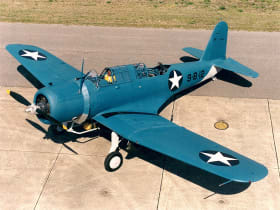
National Naval Aviation Museum
6.8 miles away
Aviation fans know it, but plenty of Gulf-coast travelers do not realize one of the largest air museums on earth sits at the end of Pensacola.
Bamahenge
22 miles away
This is the kind of roadside surprise you tell people about for years.
The Wharf Ferris Wheel
26 miles away
The Wharf in Orange Beach gives families an easy evening of fun anchored by a 112-foot Ferris wheel, one of the biggest on the Gulf Coast, with enclosed gondolas and wide views over the waterway.