
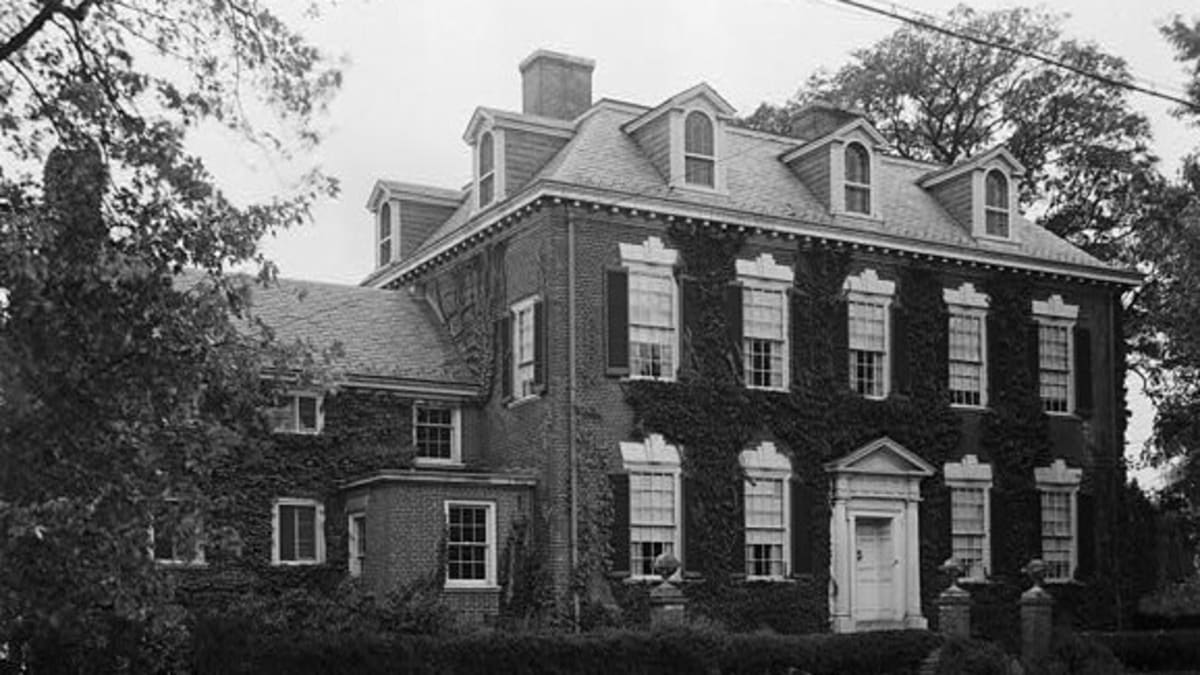
Historic Chestertown
106 S Queen St, Chestertown, MD
Chestertown, MD
A colonial river port of fine brick townhouses on the Chester River, where the Eastern Shore keeps its eighteenth-century face nearly intact.
Chestertown is one of the best-preserved colonial towns in Maryland, a river port on the Eastern Shore where wide streets of elegant brick townhouses run down to the Chester River. Founded in the early eighteenth century, it grew wealthy as a shipping center, and the fine Georgian houses of its merchants and sea captains still line its historic district almost unchanged.
There is real history layered into the quiet. Chestertown claims its own colonial tea protest against British taxes, an act it celebrates each year, and it is home to Washington College, one of the oldest colleges in the country and the only one George Washington gave his name and support to in his lifetime. Together the architecture, the river, and the college give this small Eastern Shore town an unusual depth and charm.
What Travelers Love
- Strolling streets lined with well-preserved Georgian and Federal brick townhouses
- The waterfront on the Chester River, with its historic wharves and views
- The town's Revolutionary story, remembered each year with a tea-party reenactment
- A lively small-college and small-town culture of bookshops, cafes, and galleries
Worth Knowing
- The historic district is compact and best explored on foot, so plan to park and walk
- Many of the finest houses are private homes, admired from the sidewalk rather than toured
- A weekly farmers market and seasonal festivals bring the town center to life
- The Eastern Shore's flat back roads make Chestertown an easy hub for a longer regional drive
Learn about Historic Chestertown
A wealthy colonial port
Chestertown was laid out in 1706 and quickly became one of the leading ports on the upper Chesapeake, shipping tobacco, grain, and other goods from the rich farmland of the Eastern Shore out to markets across the Atlantic. The wealth of that trade built the town's remarkable stock of brick townhouses, many raised by merchants and ship captains in the fashionable Georgian style of the day.
Because the town's later fortunes were modest, much of that eighteenth-century fabric survived rather than being torn down and rebuilt. The result is a historic district of unusual completeness, where whole streets keep their colonial and early republic character, from grand High Street mansions down to smaller dwellings and old warehouses near the water.
The Chestertown Tea Party
Chestertown tells a spirited Revolutionary story of its own. According to local tradition, in 1774, in the wake of the more famous Boston protest, angry townspeople objected to the tax on tea and boarded a ship in the harbor to throw its cargo of tea into the Chester River. Whatever the precise historical details, the town has embraced the tale as a point of pride.
Each year Chestertown marks the episode with a lively festival and a reenactment on the waterfront, complete with colonial costume and a mock tea-dumping into the river. It is a joyful bit of civic memory that draws visitors and knits the town's Revolutionary heritage into its living calendar.
Washington College and the town's life
Washington College was founded in 1782 and holds the distinction of being the only college to receive George Washington's endorsement and a gift of money from him during his lifetime, and he served on its first board of visitors. Its small campus sits at the edge of the historic district and gives the town a youthful, intellectual energy out of proportion to its size.
The college helps sustain a rich cultural life for so small a place, with bookshops, cafes, galleries, and a busy schedule of lectures, concerts, and festivals. Chestertown feels at once historic and alive, a preserved colonial town that is also a working community rather than a museum piece.
The river and the Eastern Shore around it
The Chester River is central to Chestertown's character, and its waterfront still holds historic wharves, moored sailboats, and skipjacks that recall the age of Chesapeake sail. Boat tours and the occasional visiting tall ship connect the town to its maritime past, and the river views are among its loveliest scenes.
Beyond the town spreads the flat, agricultural Eastern Shore, a landscape of tidewater farms, quiet creeks, and small crossroads villages. Chestertown makes an ideal base for exploring this gentle country by car or bicycle, with wildlife refuges, waterside hamlets, and other historic towns within an easy drive.
Closest Boutels
The closest Boutel™ stays, so you can turn this stop into an overnight. Each is a place we chose through independent editorial review, never a paid placement.
Travelers Rest Motel
Honorable Mention3701 Old Philadelphia Pike, Intercourse, PA
57 miles away|Learn More ›
Details
Chestertown, MD
Frequently asked questions
What is Historic Chestertown?
Chestertown is one of the best-preserved colonial towns in Maryland, set on the Chester River on the Eastern Shore. Its large historic district is filled with beautifully maintained Georgian and Federal brick homes, brick sidewalks, and a lively riverfront, complemented by the presence of Washington College and a rich Revolutionary-era history. Picturesque and walkable, it offers a charming step back in time, combining architectural elegance, small-town character, and a scenic waterfront setting.
What can you do in Historic Chestertown?
You can stroll the historic streets and waterfront to admire the fine eighteenth-century architecture, browse antique shops, galleries, and boutiques, dine at local cafes and restaurants, and explore the town's history. Chestertown is known for lively events, most famously the annual Chestertown Tea Party festival, which commemorates a Revolutionary-era protest, along with a popular farmers market and seasonal happenings. It is a relaxed, cultured escape ideal for an unhurried day of wandering and discovery.
When is the best time to visit Historic Chestertown?
Spring through fall is loveliest for strolling the historic district and waterfront in pleasant weather and catching the town's festivals and markets, with the famous Tea Party celebration held around Memorial Day weekend. Fall adds beautiful color along the river. The walkable town is enjoyable year-round, but timing a visit to a festival or the farmers market can add extra life and charm to the experience.
Who will enjoy Historic Chestertown?
History and architecture lovers will especially appreciate Chestertown's remarkable colonial-era buildings and Revolutionary heritage, while those who enjoy antiquing, dining, galleries, and relaxed small-town waterfronts will find plenty to love. Its walkable, unhurried character suits couples, families, and anyone wanting a peaceful cultural getaway. The blend of history, river scenery, and charm makes it a rewarding destination for a broad range of visitors.
What is near Historic Chestertown?
Chestertown sits on the upper Eastern Shore along the Chester River, near the small waterfront town of Rock Hall and the scenic Chesapeake countryside, with its farms, rivers, and wildlife. The broader Eastern Shore offers more historic towns, birding, and Chesapeake charm within a reasonable drive. That makes Chestertown an easy and appealing stop or base for exploring the quieter, history-rich upper reaches of Maryland's Eastern Shore.
Nearby

Concord Point Lighthouse
23 miles away
At the very top of the Chesapeake, where the Susquehanna pours in, sits a lighthouse most Bay visitors never reach.
Biggs Museum of American Art
29 miles away
Downtown Dover hides a genuinely good art museum, and it is free.
American Visionary Art Museum
29 miles away
Most first-time visitors head straight for the aquarium and miss the strangest, most moving museum in Baltimore.