
Havasu National Wildlife Refuge
Lower Colorado River near Needles
Lake Havasu City, AZ
A long green ribbon of marsh, backwater, and canyon along the lower Colorado River, one of the last wild stretches of a river now ringed by cities and dams.
Havasu National Wildlife Refuge protects a long, wild stretch of the lower Colorado River, a river so dammed and diverted for cities and farms that surviving wild reaches like this one have become precious. The refuge runs for many miles along the water from near Needles down toward Lake Havasu City, straddling the Arizona-California border, and it shelters marsh, backwater, open river, and steep desert canyon.
Its two great features are the Topock Gorge, where the Colorado squeezes between sheer desert walls in one of the most scenic water passages on the river, and the Topock Marsh, a broad wetland alive with birds. Together they make the refuge one of the most important stopovers for migratory birds on the whole lower Colorado, and one of the best places to see the river as it once looked before the dams and the desert cities arrived.
What Travelers Love
- Paddling the Topock Gorge, where the river narrows between steep desert walls
- The birdlife of Topock Marsh, alive with herons, egrets, and wintering waterfowl
- Quiet water and desert canyon far from the crowds of Lake Havasu
- Spotting bighorn sheep on the cliffs above the river
Worth Knowing
- This is a wildlife refuge, so its first purpose is protecting habitat, and some areas are closed or limited to protect nesting birds
- Summer along the river is extremely hot, so a river trip is far more comfortable outside the peak of summer
- Much of the best of the refuge is seen from the water, so a canoe, kayak, or boat opens up the gorge and marsh
- Carry plenty of water and sun protection, since shade is scarce along the open river and marsh
Learn about Havasu National Wildlife Refuge
A river long lived along
The lower Colorado has supported people for a very long time, and this stretch lies in the country of the Mojave and other river tribes, whose descendants belong to the Fort Mojave Indian Tribe and the Colorado River Indian Tribes. Petroglyphs and other traces along the Topock Gorge speak to that long presence, and the river and its marshes remain culturally important to the tribes today.
The refuge itself was established in 1941, part of a wave of Colorado River conservation as the river was being remade by dams. Where much of the lower Colorado was straightened, channelized, and drained, Havasu preserves a piece of the old river, its marshes and backwaters, as habitat rather than infrastructure. That makes it a refuge in the fullest sense, a place set aside for the wild life the rest of the river has largely lost room for.
The gorge and the marsh
The Topock Gorge is the refuge's scenic heart, a stretch where the Colorado has cut down through hard volcanic rock, leaving steep, colorful desert walls rising straight from the water. Paddling or boating through it, you pass rock spires, side canyons, and cliffs where bighorn sheep sometimes stand watching, all in a setting that feels far older and wilder than the river resorts just downstream.
Upstream lies the Topock Marsh, a large, shallow wetland of open water, reeds, and mudflats fed by the river. This is the biological engine of the refuge, a rare expanse of marsh in a desert, and it is what draws the great numbers of birds. The contrast is what makes the refuge special, hard rock and open desert on one hand, soft green marsh and still water on the other, the two knit together by the same river.
Birds and desert wildlife
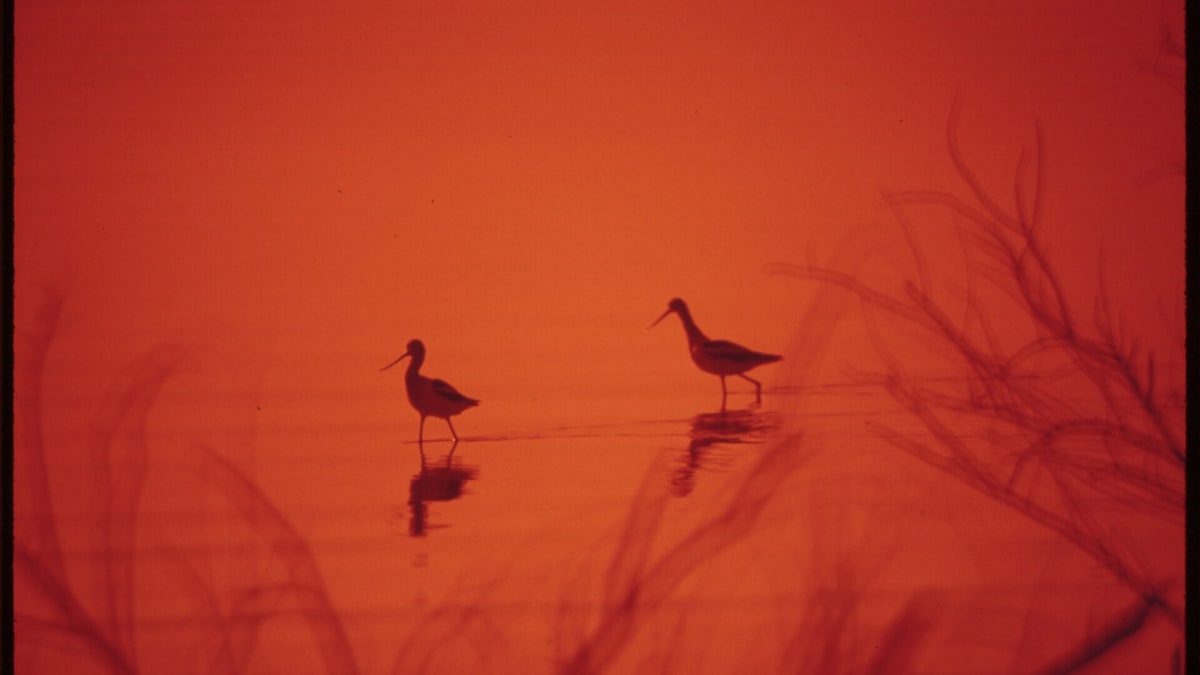
Birds are the reason the refuge exists, and they are its great spectacle. The marsh and river host herons, egrets, ibis, and huge numbers of ducks and geese in the cooler months, along with grebes, pelicans, and the occasional bald eagle. It is also vital habitat for the endangered Yuma Ridgway's rail and the southwestern willow flycatcher, secretive marsh birds that depend on exactly this kind of wetland.
The desert around the water holds its own life. Bighorn sheep travel the cliffs above the gorge, and coyotes, bobcats, and jackrabbits range the dry slopes, while lizards and rattlesnakes shelter in the rocks. Beavers and muskrats work the backwaters, and the mix of river, marsh, and desert packs a remarkable range of wildlife into one long green corridor.
Season by season
Winter is the prime season at the refuge, when the marsh fills with wintering waterfowl and the birdwatching is at its best, and the desert heat has finally let go. Spring is beautiful too, with migrating birds moving through and mild days for a river trip.
Summer along the lower Colorado is punishing, with fierce heat off the water and open desert, so a visit then is best in the early morning or reserved for the river itself, where the water offers some relief. Fall brings cooler air and the first returning waterfowl, easing the refuge back into its busy winter season.
Closest Boutels
The closest Boutel™ stays, so you can turn this stop into an overnight. Each is a place we chose through independent editorial review, never a paid placement.
Sands Motel of Boulder City
Honorable Mention809 Nevada Way, Boulder City, NV
87 miles away|Learn More ›
Details
Lake Havasu City, AZ
Frequently asked questions
What is Havasu National Wildlife Refuge?
Havasu National Wildlife Refuge protects a vital stretch of the lower Colorado River between Needles, California, and Lake Havasu, spanning the Arizona-California border. Encompassing the scenic Topock Gorge and the Topock Marsh, it safeguards rare desert-river habitat, from rugged canyon walls to lush wetlands, that supports abundant birds and wildlife. A haven for migratory waterfowl and a paradise for paddlers and birders, the refuge offers beautiful river scenery, wildlife viewing, and peaceful recreation, preserving one of the last relatively wild reaches of the lower Colorado River in a striking desert setting.
What can you do at Havasu National Wildlife Refuge?
You can paddle a kayak or canoe through the stunning Topock Gorge, where towering canyon walls rise from the clear Colorado River, watch abundant birdlife including migratory waterfowl especially around the Topock Marsh, fish, and enjoy boating and wildlife viewing in a beautiful desert-river setting. Birdwatching is a major draw, particularly in the cooler months. The combination of dramatic gorge scenery, tranquil marshes, and rich wildlife makes the refuge a rewarding destination for paddlers, anglers, birders, and anyone seeking the wild beauty of the lower Colorado River.
What safety tips apply at Havasu National Wildlife Refuge?
On the water, wear a life jacket, watch for boat traffic which can be busy in season, and be aware of currents, winds, and changing weather on the river. The desert heat is intense, especially in summer, so carry plenty of water and sun protection and avoid strenuous activity in the extreme midday heat. Plan your paddling route and timing, since the gorge is remote in stretches. Respecting the water conditions and desert heat lets you safely enjoy the refuge's river, gorge, and marshes.
When is the best time to visit Havasu National Wildlife Refuge?
The cooler months from fall through spring are the best time, offering comfortable temperatures for paddling and hiking and prime birdwatching as migratory waterfowl and other birds fill the marshes and river, while summer is very hot, so early activity and ample water are essential then. Winter and spring are especially rewarding for birders. Mornings are ideal for wildlife and calm water. For the best combination of comfortable weather and abundant birdlife, plan a visit during the cool season.
What is near Havasu National Wildlife Refuge?
The refuge lies along the lower Colorado River near the Arizona-California border, close to Lake Havasu City with its famous London Bridge and lake recreation to the south, the Route 66 town of Kingman and the wild-burro town of Oatman to the east, and Needles, California, to the north. That makes Havasu National Wildlife Refuge a scenic natural stop to combine with Lake Havasu, the London Bridge, and the Route 66 attractions of northwestern Arizona and the lower Colorado River region.
Nearby

Lake Havasu State Park
17 miles away
Lake Havasu State Park has campgrounds directly on the lake with boat access, swimming beaches, and access to over 400 miles of reservoir shoreline.

London Bridge
20 miles away
The London Bridge at Lake Havasu City is genuinely the old London Bridge, built in 1831 across the Thames River and sold to a developer in 1968 when the city of London needed a stronger bridge for mod...

Oatman
20 miles away
Oatman is a gold-mining boomtown in the Black Mountains that survives as a beloved living ghost town on old Route 66, most famous for the wild burros that wander its single wooden Main Street, descend...