

Gatorland
14501 S Orange Blossom Trl, Orlando, FL
Orlando, FL
A gloriously old-school Florida roadside park, its gaping alligator-jaw entrance leading to thousands of gators, a wild rookery, and a slice of the state before the mega-parks.
Gatorland is a beloved slice of old Florida, a family-run alligator park and wildlife preserve that has greeted travelers along the Orlando area's roadsides since 1949, decades before the great theme parks arrived. Its landmark entrance, a giant alligator's open jaws that visitors walk right through, is one of the most recognizable images in Florida roadside history.
Inside, thousands of alligators and crocodiles fill lakes, marshes, and breeding pools, alongside a working boardwalk through a wild bird rookery, a petting zoo, animal shows, and a zip line that soars over the gators. In an age of billion-dollar mega-parks, Gatorland has kept its homegrown, wonderfully Floridian character, offering a genuine encounter with the reptile that has become the state's living symbol.
What Travelers Love
- Walking among thousands of alligators, including rare white leucistic gators
- The Breeding Marsh boardwalk, alive with wild wading birds nesting overhead
- Old-Florida charm from the famous alligator-jaw entrance onward
- A zip line that soars right over the gator-filled marsh
Worth Knowing
- This is a working attraction that welcomes visitors most days of the year
- Shows and feedings run on a schedule, so grab a program on arrival
- Much of the park is outdoors, so bring sun protection and water
- Spring nesting season fills the rookery with wild birds, a highlight for photographers
Learn about Gatorland
A roadside institution
Gatorland opened in 1949, when a Central Florida man named Owen Godwin began charging travelers to see the alligators he had gathered on his land along the highway to the Everglades. In an era when roadside attractions defined a Florida vacation, Gatorland grew steadily, and its unmistakable alligator-jaw entrance, added in the 1960s, became a landmark that generations of visitors have posed in front of.
The park has stayed in the same family for its whole history, a rarity among Florida attractions, and it survived the arrival of the enormous corporate theme parks that transformed Orlando. A major fire in 2006 destroyed the front of the park, including the famous entrance, but Gatorland rebuilt, replaced its landmark jaws, and carried on, a testament to the enduring appeal of an honest old-Florida attraction.
A world of alligators and crocodiles
At its heart Gatorland is home to thousands of American alligators, along with crocodiles from around the world, housed in lakes, ponds, and breeding pools throughout the park. Visitors can watch feedings, see famous jumping-alligator demonstrations, and learn how these ancient reptiles live, hunt, and raise their young. The park also cares for rare white alligators, both leucistic and true albino gators, whose pale coloring makes them living rarities.
The American alligator is one of conservation's great success stories. Once hunted to the brink, it recovered so strongly under protection that it is now common across the Southeast, and Florida's swamps, lakes, and even golf-course ponds are full of them. Gatorland tells that story and gives visitors a safe, close-up look at an animal that most Floridians live alongside but rarely see so clearly.
The wild rookery and the marsh
One of Gatorland's most surprising features is entirely wild. A long boardwalk crosses the park's Breeding Marsh, and each spring wild wading birds, herons, egrets, ibis, and roseate spoonbills, choose to nest in the trees above the alligator-filled water. The gators below actually protect the nesting birds from raccoons and other predators, an ancient natural partnership playing out in plain view.
During nesting season the rookery becomes one of the finest and most accessible places in Florida to photograph wild wading birds up close, drawing photographers from around the country. Beyond the birds, the park's marshes and cypress swamp shelter turtles, snakes, and other native wildlife, and a zip line lets the adventurous soar directly over the alligators and the marsh below.
Season by season near Orlando
Winter and spring are the most comfortable seasons in Central Florida, with mild dry days ideal for the mostly outdoor park. Spring is especially rewarding, as the wild bird rookery fills with nesting herons, egrets, and spoonbills, a spectacle at its peak in the cooler months.
Summer is hot and humid with daily afternoon thunderstorms, so visitors come early and carry water and sun protection, though the alligators are at their most active in the warmth. Because Orlando is a year-round destination, the park draws visitors in every season, with the region's peak travel times bringing the biggest crowds.
Closest Boutels
The closest Boutel™ stays, so you can turn this stop into an overnight. Each is a place we chose through independent editorial review, never a paid placement.
Details
Orlando, FL
Frequently asked questions
What is Gatorland?
Gatorland, near Orlando in central Florida, is a classic and beloved theme park and wildlife preserve billed as the Alligator Capital of the World, home to thousands of alligators and crocodiles. A quintessential old-Florida attraction operating for decades, Gatorland features alligators and crocodiles of all sizes, wildlife shows including gator wrestling and feeding demonstrations, a breeding marsh with a boardwalk, a bird rookery, a petting zoo, a zip line over the gators, and other Florida wildlife. A fun, kitschy, and educational attraction, it delights families. With its thousands of alligators, shows, and Florida-wildlife fun, Gatorland offers an entertaining destination in Florida.
What can you do at Gatorland?
You can see thousands of alligators and crocodiles of all sizes, watch wildlife shows including alligator wrestling and gator-feeding demonstrations, walk the boardwalk over the breeding marsh and bird rookery, visit the petting zoo, zip line over the alligators for the adventurous, and see other Florida wildlife and snakes. The many alligators, the shows, and the classic old-Florida atmosphere are highlights, fun and educational for families. It is a nostalgic Florida experience. With its alligators, shows, boardwalk, and zip line, Gatorland offers an entertaining experience near Orlando, Florida.
Is Gatorland good for families?
Yes, Gatorland is a great family destination, with thousands of alligators to see, entertaining and educational wildlife shows, a boardwalk over the marsh and rookery, a petting zoo, and a fun, classic old-Florida atmosphere that delights children and adults alike. Kids especially enjoy the gator shows, the smaller animals, and the sense of adventure, while the zip line adds thrills for the daring. It combines fun with learning about Florida wildlife. With its alligators, shows, and family attractions, Gatorland makes an excellent family destination in Florida.
When is the best time to visit Gatorland?
Gatorland is open year-round, though much of it is outdoors, so fall through spring offers the most comfortable weather, while summer is hot and humid, so mornings are best and the alligators are most active in the warm weather. It can be busier on weekends and in the peak Orlando tourist seasons. Checking current hours and show times before you go is wise. For the most comfortable weather with active alligators, aim for the milder months or cooler mornings at Gatorland near Orlando, Florida.
What is near Gatorland?
Gatorland is near Orlando in central Florida, within reach of the Walt Disney World Resort, the Universal Orlando Resort, Winter Park with the Charles Hosmer Morse Museum, and the Orlando area attractions. That makes Gatorland a fun stop to combine with the Orlando theme parks, the Charles Hosmer Morse Museum, and the other attractions of the Orlando area on a visit to Florida.
Nearby
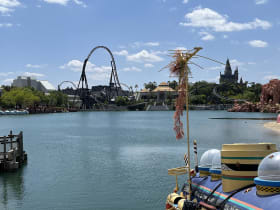
Universal Orlando Resort
9.0 miles away
Universal skews older than Disney, which makes it the pick for families with bigger kids and teens.
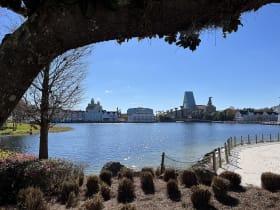
Walt Disney World Resort
9.9 miles away
This is the trip many kids dream about. Walt Disney World, southwest of Orlando, holds four separate theme parks, and Magic Kingdom, with its castle, is the one most young children picture.

Charles Hosmer Morse Museum of American Art
17 miles away
People come to Orlando for the parks and never learn that the worlds greatest Tiffany collection sits in a quiet suburb here.