
Fort Sisseton Historic State Park
11907 434th Ave, Lake City, SD
Lake City, SD
A cluster of original frontier buildings stands quietly on the high prairie, one of the best-preserved forts of its era anywhere on the plains.
Fort Sisseton is one of the best-preserved frontier military posts on the northern plains, a scatter of original stone and brick buildings set on the open prairie of the Coteau des Prairies. Established in the 1860s in the years after the Dakota conflict, it was built to garrison soldiers in a remote and tense stretch of country, and many of its buildings survived where other frontier forts fell to ruin or the plow.
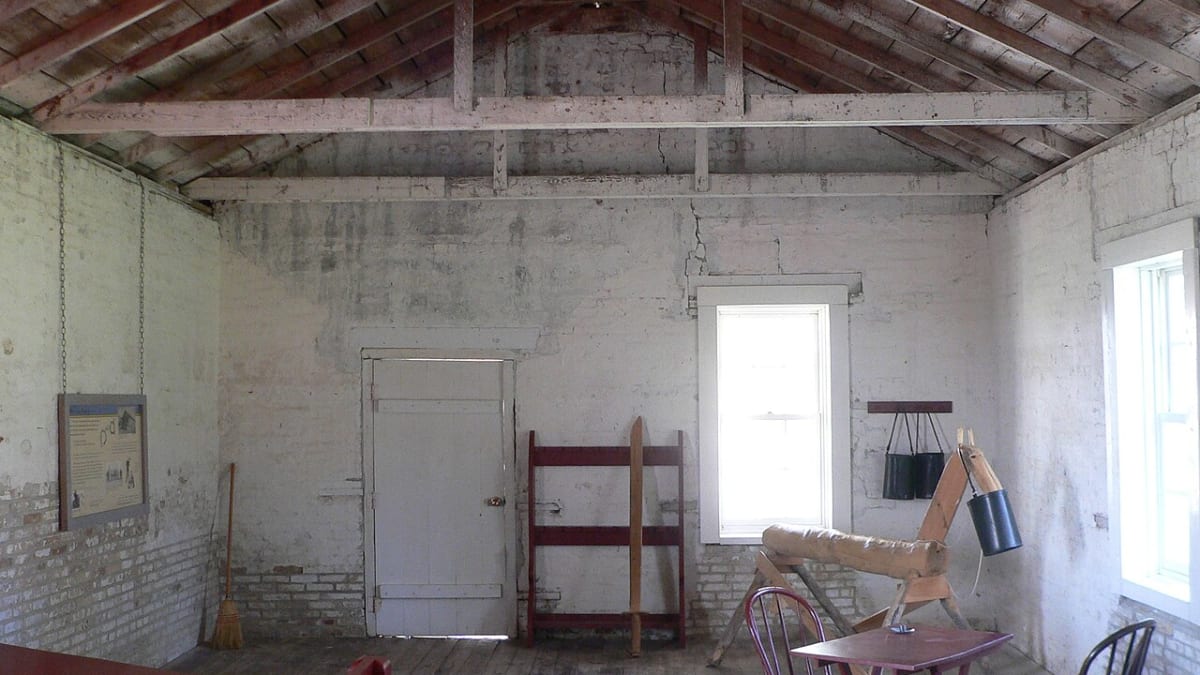
What makes the place unusual is how much of it remains. Walk the grounds today and you can step into the stone barracks, the officers' quarters, the guardhouse, and other buildings that stood when the fort was active. The setting, high, quiet, and windswept on the Coteau, does much of the storytelling, giving a rare sense of how isolated and exposed a posting here once was.
What Travelers Love
- Original 1860s buildings still standing, from the stone barracks to the officers' quarters
- The wide, quiet prairie setting on the high Coteau, with big skies and lake country nearby
- Walking the parade ground and imagining the daily rhythm of a remote frontier post
- Interpretive exhibits that tell the fort's story without turning it into a theme park
Worth Knowing
- This is a state historic park, so hours and building access vary by season; the grounds are the constant draw
- It is a peaceful, out-of-the-way stop, best paired with the surrounding Glacial Lakes region
- Summer brings living-history events and a well-known festival weekend, so check ahead if you want the fort at its liveliest
- The Coteau weather can turn windy and cold; there is little shelter on the open prairie
Learn about Fort Sisseton Historic State Park
The land and the Dakota
The Coteau des Prairies is the homeland of the Dakota peoples of the Oceti Sakowin, the Great Sioux Nation, and the Sisseton and Wahpeton Dakota in particular have lived across this lake-and-prairie country for generations. The fort's very name comes from the Sisseton, and their descendants remain a strong presence in the region today through the Sisseton Wahpeton Oyate.
The fort was built in the aftermath of the United States-Dakota War of 1862, a violent chapter rooted in broken treaties, stolen payments, and hunger, and its history cannot be separated from the removal and hardship the Dakota endured in those years. A visit here is a chance to hold both stories at once, the preserved military post and the living Dakota nation whose homeland it stands on.
A fort built to last
Many frontier forts were thrown up quickly from logs and sod and did not survive the century. Fort Sisseton was different. Its builders used stone quarried nearby and brick fired on site, raising substantial buildings meant to stand up to the hard Coteau winters. That solid construction is a large part of why so much of it is still here.
As the frontier moved on and the perceived need for the post faded, the army abandoned it late in the nineteenth century. Rather than being torn down or left to rot, the buildings found later uses and were eventually recognized as a treasure worth preserving. The state took the fort into its park system and has worked to stabilize and restore the original structures ever since.
Walking the post
The heart of the fort is its parade ground, the open square around which the buildings are arranged, and walking it gives the clearest sense of how the post was laid out and lived in. Ringing it are the officers' quarters, the enlisted men's barracks, the commissary, the guardhouse, the powder magazine, and the hospital, several of them open to explore.
Interpretive signs and exhibits fill in the daily life of the garrison, the boredom and cold as much as any drama, and living-history programs bring the buildings alive at certain times of year. The fort's summer festival, a long-running event, draws reenactors, music, and crowds to the grounds and is the liveliest time to see the place.
The Coteau through the seasons
The high prairie of the Coteau has a strong feel of the seasons. Summer is warm and green, with tall grass, birdsong, and the fort's events drawing visitors to the grounds. It is the easiest time to find buildings open and staff on hand.
Fall brings golden grass and quieter days, a fine time to wander the parade ground with the place nearly to yourself. Winter is stark and cold, the wind sweeping unbroken across the open ground, and it drives home just how remote and hard a posting here once was. Spring greens the prairie again and returns the birds to the lakes and sloughs nearby.
Closest Boutels
The closest Boutel™ stays, so you can turn this stop into an overnight. Each is a place we chose through independent editorial review, never a paid placement.
Details
Lake City, SD
Frequently asked questions
What is Fort Sisseton Historic State Park?
Fort Sisseton Historic State Park, in northeastern South Dakota, preserves a remarkably well-kept frontier military fort from the mid-nineteenth century, one of the best-preserved historic forts in the region. The park protects a collection of original and restored fort buildings, including barracks, officers' quarters, a hospital, and other structures, offering a vivid glimpse into frontier military life on the northern plains. Interpretation, a museum, and events, including a popular annual historical festival, bring the fort's history to life. Its well-preserved buildings make it a fascinating window into the frontier era. A well-preserved and historic frontier fort, it educates visitors. With its history, Fort Sisseton offers a compelling destination in South Dakota.
What can you see at Fort Sisseton Historic State Park?
You can explore the original and restored fort buildings, including barracks, officers' quarters, a hospital, and other structures, visit a museum with exhibits, and learn about frontier military life on the northern plains, with events and a popular annual historical festival bringing the fort to life. The well-preserved fort buildings, the museum, the interpretation, and the historical events are the draws, offering a vivid glimpse of the frontier era. The remarkably preserved fort is the highlight. With its history, Fort Sisseton offers a rewarding visit in South Dakota.
When is the best time to visit Fort Sisseton Historic State Park?
The mild months of late spring through early fall are the most pleasant for exploring the outdoor fort and grounds, with fuller programming and events, including a popular historical festival, in the warm season, while the grounds can be visited in other seasons with more limited access. Because programs and hours are seasonal, checking current information before you go is wise. For the fullest experience and events, aim for late spring through early fall at Fort Sisseton Historic State Park in South Dakota.
What should I know before visiting Fort Sisseton Historic State Park?
Fort Sisseton is in a rural part of northeastern South Dakota, so allowing travel time and checking current hours, seasonal access, and any event schedules before you go are wise, as programming is fuller in the warm season. The annual historical festival is especially popular, so planning around it can enhance a visit. Bringing water and sun protection for exploring the grounds helps in warm weather. Planning ahead and checking current information ensure a rewarding visit to Fort Sisseton Historic State Park in South Dakota.
What is near Fort Sisseton Historic State Park?
Fort Sisseton Historic State Park is in northeastern South Dakota, within reach of Sica Hollow State Park, the Coteau des Prairies country and the Sisseton area, and the routes across northeastern South Dakota. That makes Fort Sisseton a compelling stop to combine with Sica Hollow State Park and the other attractions of northeastern South Dakota on a visit to the state.
Outside the Park
Sica Hollow State Park
16 miles away
Sica Hollow State Park: off SD-15 northwest of Sisseton on the Coteau des Prairies. A park license is required.
Sisseton Wahpeton Oyate and the Coteau viewpoint
23 miles away
Coteau des Prairies viewpoint: along SD-127 and the crest roads above Sisseton, on the Lake Traverse Reservation, homeland of the Sisseton Wahpeton Oyate. Free, always open.
Storybook Land and Wylie Park
47 miles away
Storybook Land at Wylie Park: 2 miles north of Aberdeen on US-281. Free entry, with small fees for the train, carousel, and paddleboats. Best for ages 2 to 10.