
Eskenazi Museum of Art
1296 E 7th St, Bloomington, IN
Bloomington, IN
A world-spanning art collection housed in a bold, angular building by I. M. Pei, hiding in plain sight on a limestone university campus.
The Eskenazi Museum of Art at Indiana University is one of the finest university art museums in the country, and one of the great cultural surprises of southern Indiana. Its collection is remarkably broad, reaching from the art of ancient civilizations through the European masters to modern and contemporary work, gathered over decades to serve teaching, research, and the public. For a museum in a college town, its depth and range are unexpected.
The building is a landmark in itself. Designed by the renowned architect I. M. Pei, whose work includes the glass pyramid at the Louvre, it is a striking composition of sharp angles and triangular geometry that stands out on the limestone campus. Inside, generous, light-filled galleries let the art breathe. That such a collection, in such a building, warmly welcomes the public makes the Eskenazi a genuine hidden gem.
What Travelers Love
- A collection that spans ancient civilizations to modern and contemporary art
- The bold, angular I. M. Pei building, a work of art in its own right
- Notable works by major artists tucked into a university setting
- A welcoming museum that opens its galleries to the public
Worth Knowing
- The museum sits on the Indiana University campus, so allow time to find parking and walk in
- It closes on some university holidays and between certain exhibitions, so check the schedule
- The collection is broad but the museum is walkable in a focused visit of an hour or two
- Pair it with a stroll of the limestone campus and Bloomington's downtown just beyond
Learn about Eskenazi Museum of Art
A collection across the ages
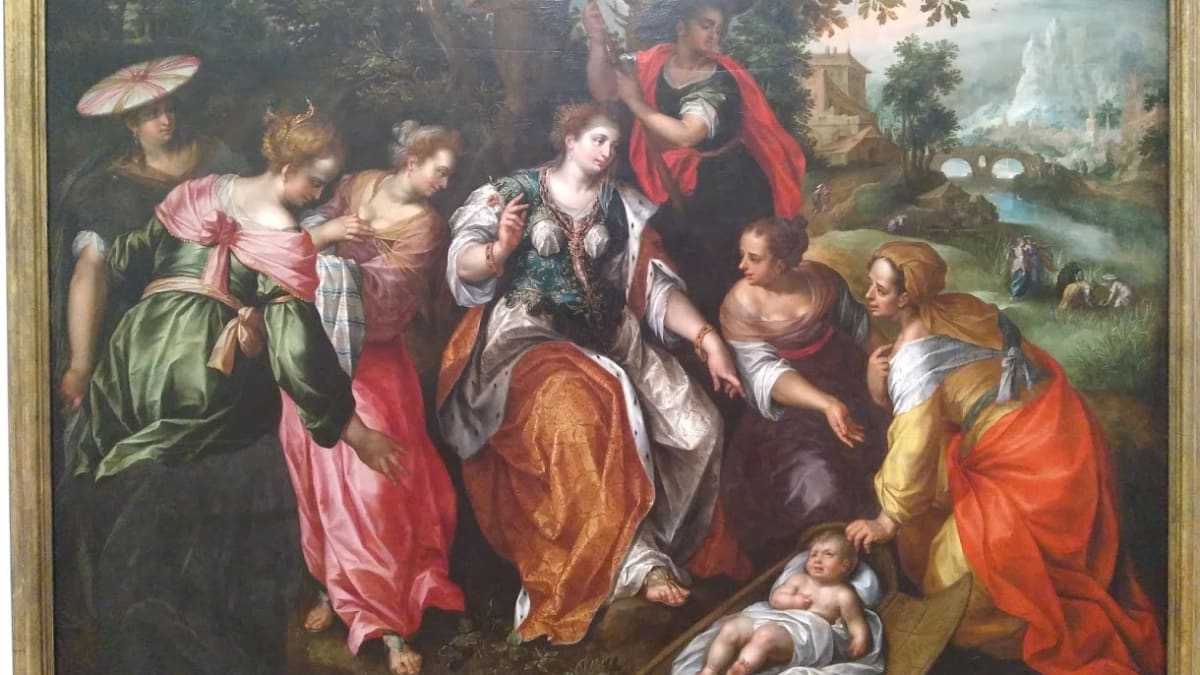
The museum's holdings span an extraordinary sweep of human creativity. Its galleries move from the ancient world, with artifacts of early Mediterranean and Near Eastern cultures, through the arts of Asia, Africa, and the Americas, into European painting and sculpture, and on to the modern and contemporary era. It is the kind of encyclopedic collection more often found in a major city museum than on a university campus.
That breadth reflects the museum's mission to teach and to expose students and the public to the full range of art history. Notable works by significant artists turn up throughout the galleries, rewarding the curious visitor who wanders with an open eye. Because the museum serves a great research university, its collection is also deep in areas that support scholarship, giving it strengths that a casual visitor might not expect.
A building by I. M. Pei
The museum's home was designed by I. M. Pei, one of the most celebrated architects of the twentieth century, known worldwide for buildings such as the glass pyramid at the Louvre in Paris. His design for the Eskenazi is a bold exercise in geometry, all sharp triangular forms and clean modern lines, a striking contrast to the traditional limestone architecture that defines much of the Indiana University campus.
The building is not merely a container for art but a piece of design worth studying in its own right. Its angular atrium and carefully composed spaces shape how you move through the galleries and how the art is seen. For lovers of architecture, the chance to experience a Pei building in the heart of the Midwest is reason enough to visit, and it makes the museum doubly rewarding.
The campus and its setting
Indiana University's Bloomington campus is one of the most beautiful in the country, built largely of the honey-colored limestone quarried in the surrounding hills. The stone that faces so many landmark buildings across America comes from this region, and the campus shows off its warm, dignified beauty. The museum sits amid this leafy, historic setting, an easy stroll from the campus's older quarters.
Bloomington itself is a lively college town in the wooded hills of southern Indiana, with a walkable downtown, an active arts and music scene, and easy access to the natural beauty of the region. A museum visit fits naturally into a day of exploring the campus and the town, making the Eskenazi part of a larger cultural experience rather than an isolated stop.
Native homelands and the wider region
The land the university stands on is part of the homelands of Native nations of the Ohio Valley. Indiana is the homeland of the Miami, who call themselves Myaamia, along with the Shawnee, the Lenape or Delaware, the Potawatomi, and the Wea, Piankeshaw, and Kickapoo. The state's name and history are bound up with these peoples, whose lands were taken through treaties and removals in the 1800s, and who remain living communities today.
The wooded hill country around Bloomington gives the town much of its character and its access to the outdoors. State parks, forests, and reservoirs lie within a short drive, and the region's limestone geology, which built the campus, also underlies its caves and quarries. A visit to the museum can easily expand into a wider exploration of this scenic and layered corner of Indiana.
Closest Boutels
The closest Boutel™ stays, so you can turn this stop into an overnight. Each is a place we chose through independent editorial review, never a paid placement.
Details
Bloomington, IN
Frequently asked questions
What is the Eskenazi Museum of Art?
The Eskenazi Museum of Art, at Indiana University in Bloomington, Indiana, is a distinguished university art museum with outstanding, wide-ranging collections, housed in a striking building designed by a famous architect. The museum holds a superb collection spanning ancient to contemporary art, from ancient and Asian art to European and American masterpieces, African art, and modern works, all in a notable modernist building. Its excellent collections and architecture make it a treasured cultural destination on the university campus, and it has been known for free admission. A superb and welcoming art museum, it delights visitors. With its collections, the Eskenazi Museum of Art offers a compelling destination in Indiana.
What can you see at the Eskenazi Museum of Art?
You can see a superb, wide-ranging collection spanning ancient and Asian art, European and American masterpieces, African art, and modern and contemporary works, all in a striking modernist building. The exceptional collections, the masterworks across cultures and eras, and the notable architecture are the draws, offering a rich cultural experience. Its breadth and quality are highlights. With its collections, the Eskenazi Museum of Art offers a rewarding visit in Bloomington, Indiana.
Is the Eskenazi Museum of Art free?
The Eskenazi Museum of Art, part of Indiana University, has been known for offering free admission to its collections, making its world-class art accessible to all, though policies and any special-exhibit charges can vary, so confirming current details before you go is wise. Its accessibility makes it a wonderful cultural resource on the campus. Checking current admission and hours ahead ensures a smooth visit to the Eskenazi Museum of Art in Indiana.
When is the best time to visit the Eskenazi Museum of Art?
As an indoor museum, the Eskenazi Museum of Art is enjoyable year-round in any weather, making it a great stop in any season, and it keeps its own hours on the university campus, so checking the current schedule before you go is wise. Because it is indoors, the Eskenazi Museum of Art makes a rewarding stop any time of year in Bloomington, Indiana.
What is near the Eskenazi Museum of Art?
The Eskenazi Museum of Art is on the Indiana University campus in Bloomington, Indiana, within reach of the university, downtown Bloomington, Brown County to the east with its state park and art colony, and the other attractions of south-central Indiana. That makes the Eskenazi Museum of Art a compelling stop to combine with the attractions of Bloomington and Brown County on a visit to Indiana.
Nearby

T.C. Steele State Historic Site
8.8 miles away
The Brown County art colony that made Nashville famous started with one painter on this ridge. T.C. Steele State Historic Site at 4220 T.C.
Nashville Artists Colony
15 miles away
People come for the shopping and miss that Nashville is a genuine art colony, one of the oldest in the Midwest. After T.C.
Brown County State Park
16 miles away
This is the largest and hilliest state park in Indiana, and it looks nothing like the flat farm image of the state.