

Douglas, Arizona / Agua Prieta
1125 E 10th St, Douglas, AZ
Douglas, AZ
A grand old copper-smelter town on the Mexican border, twinned with Agua Prieta across the line, where a marble-columned hotel lobby recalls the boom that built it.
Douglas is a historic border town in the far southeastern corner of Arizona, founded in the early twentieth century as a place to smelt the copper ore hauled down from the mines of nearby Bisbee. Its streets run right up to the international line, where its twin city of Agua Prieta begins on the Mexican side, and the two towns have shared a culture, an economy, and daily life for well over a century.
The great symbol of Douglas is the Gadsden Hotel, a grand old hotel whose lobby of white marble columns, a sweeping staircase, and a long stained-glass mural recalls the wealth and ambition of the copper boom that built the town. Ringed by wide grassland valleys and distant sky-island mountains, Douglas is a quiet, atmospheric place where the history of the border and the mining West is written into its streets.
What Travelers Love
- The grand Gadsden Hotel with its marble lobby and stained-glass mural
- A walkable historic downtown of early-twentieth-century buildings
- The living binational culture shared with Agua Prieta across the border
- Wide grassland views ringed by sky-island mountain ranges
Worth Knowing
- This is a working international border, so bring proper documents if you plan to cross
- It is a remote corner of the state, so fuel and supplies are worth topping off
- Summer is hot and brings monsoon storms, so plan around the afternoon heat
- The town is quiet and off the tourist track, part of its unhurried charm
Learn about Douglas, Arizona / Agua Prieta
Copper, smelters, and a planned town
Douglas was founded around 1900 and named for a mining executive, laid out specifically as a site to smelt the rich copper ore of the Bisbee mines a short distance away. The smelters brought jobs, railroads, and rapid growth, and the town blossomed with fine buildings, including the Gadsden Hotel, first opened in 1907 and rebuilt after a fire in the late 1920s. For decades the smoke of the smelters marked Douglas as an industrial heart of the border.
The smelters eventually closed, and Douglas settled into a quieter life, but the grand architecture of the boom years remained. The Gadsden Hotel's lobby, with its marble columns, sweeping staircase, gold-leaf details, and a long Tiffany-style stained-glass mural of the desert, is the town's showpiece and a window into the era when copper made this corner of Arizona rich.
A binational border culture
Douglas and Agua Prieta grew up together as twin cities on either side of the line, and the border here has long been a place of connection as much as division. Families, businesses, and traditions span the two towns, and the culture of Douglas is thoroughly binational, blending Mexican and American ways of life, food, music, and language.
This is old borderland country, homeland of the Chiricahua Apache before it was ranched and mined, and later a crossroads of the cattle drives, railroads, and revolution that shaped the region. Agua Prieta saw fighting during the Mexican Revolution, and the border here carries a layered history that both towns share. Today the two cities remain closely linked, a single community straddling an international line.
Grasslands, mountains, and wildlife
Douglas sits in the wide Sulphur Springs Valley, a stretch of high desert grassland ringed by sky-island mountain ranges. This is some of the finest grassland bird habitat in the Southwest, and the valley draws birders for its raptors, sparrows, and seasonal visitors, with the nearby Whitewater Draw wildlife area filling with wintering sandhill cranes.
The surrounding mountains, from the Chiricahuas to the Pedregosas, are sky islands rich in wildlife, while the grassland itself supports pronghorn, coyote, jackrabbit, and a wealth of birds. The mix of open valley and forested range packs a lot of natural variety into this quiet corner of the state, making it a rewarding base for anyone who watches wildlife.
Season by season
Winter is mild and sunny by day, cold at night, and a fine time to visit, with sandhill cranes and other birds filling the nearby wetlands. Spring is pleasant and green after winter rains, with returning birds and comfortable days for exploring the town and the valley.
Summer is hot, and the July and August monsoon brings dramatic afternoon thunderstorms that green the grasslands and cool the evenings, though the heat of midday is best avoided. Fall brings warm days, cool nights, and the return of wintering birds to the valley wetlands, one of the most comfortable stretches of the year in this high desert country.
Closest Boutels
The closest Boutel™ stays, so you can turn this stop into an overnight. Each is a place we chose through independent editorial review, never a paid placement.
Details
Douglas, AZ
Frequently asked questions
What is Douglas, Arizona?
Douglas is a historic border town in the far southeastern corner of Arizona, founded in the early twentieth century as a copper-smelting center and sitting directly across the international line from Agua Prieta, Mexico. Rich in history and border culture, it is known for its grand historic buildings, most famously the elegant Gadsden Hotel with its stunning lobby, along with its mining and ranching heritage and its blend of American and Mexican influences. Off the beaten path, Douglas offers travelers a genuine sense of borderland history and character in a quiet, authentic setting.
What can you do in Douglas?
You can admire the town's historic architecture, especially the famous Gadsden Hotel with its opulent lobby, marble staircase, and stained glass, explore local history and museums covering the copper-smelting and border past, stroll the historic downtown, and experience the bicultural border atmosphere. The surrounding area offers ranching country, sky-island mountain scenery, and access to birding and nature in the broader region. While a quieter destination, Douglas rewards history buffs and curious travelers with authentic borderland character, grand old buildings, and a window into southeastern Arizona's mining and frontier heritage.
What is the Gadsden Hotel in Douglas?
The Gadsden Hotel is Douglas's most celebrated landmark, a grand historic hotel dating to the early twentieth century, renowned for its breathtaking lobby featuring a sweeping white marble staircase, soaring columns, gold-leaf accents, and a long stained-glass mural. Once a gathering place for cattlemen, miners, and travelers in the region's booming days, it retains its old-world elegance and a touch of faded grandeur, along with local legends. Whether staying overnight or simply stepping in to admire the lobby, the Gadsden Hotel is a must-see highlight that captures Douglas's historic character.
When is the best time to visit Douglas?
The cooler months from fall through spring are most comfortable for exploring Douglas and the surrounding southeastern Arizona region, since summer in this desert-and-grassland area is hot, though the elevation moderates it somewhat. Winter is mild and pleasant. Mornings are agreeable for walking the historic downtown any time of year. For combining a Douglas visit with the region's birding and sky-island scenery, the milder seasons are ideal. The pleasant fall-through-spring weather makes exploring the town's history and architecture most enjoyable.
What is near Douglas?
Douglas is in the far southeastern corner of Arizona on the Mexico border across from Agua Prieta, near the copper town of Bisbee and the Wild West town of Tombstone to the northwest, the birding areas around Whitewater Draw, and the Chiricahua Mountains with Cave Creek Canyon and Chiricahua National Monument. That makes Douglas an off-the-beaten-path historical stop to combine with Bisbee, Tombstone, the region's exceptional birding, and the sky-island scenery of southeastern Arizona.
Nearby
Bisbee Mining and Historical Museum
23 miles away
The Bisbee Mining and Historical Museum sits on Copper Queen Plaza in the heart of old Bisbee, inside the grand 1895 red-brick building the copper company built as its own headquarters, now a National...
Queen Mine Tour
24 miles away
The Queen Mine Tour takes visitors into the actual copper mine in ore cars, with a retired miner as guide.
Whitewater Draw Wildlife Area
26 miles away
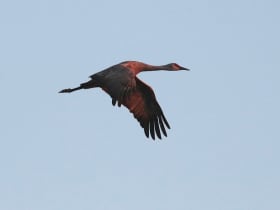
Whitewater Draw is a shallow alkali marsh that winters 20,000+ sandhill cranes from October through February.