
Desert of Maine
95 Desert Road
Freeport, ME
Not a real desert but a genuine oddity: dunes of fine glacial silt that swallowed a farm, a lesson in erosion turned into one of New England's oldest roadside attractions.
The Desert of Maine is one of New England's oldest and oddest roadside attractions: a spreading expanse of fine, pale sand rising in dunes in the middle of Maine's green forest. It looks like a piece of the Sahara dropped into pine country, and the surprise of it has drawn curious travelers since it opened to the public in 1925.
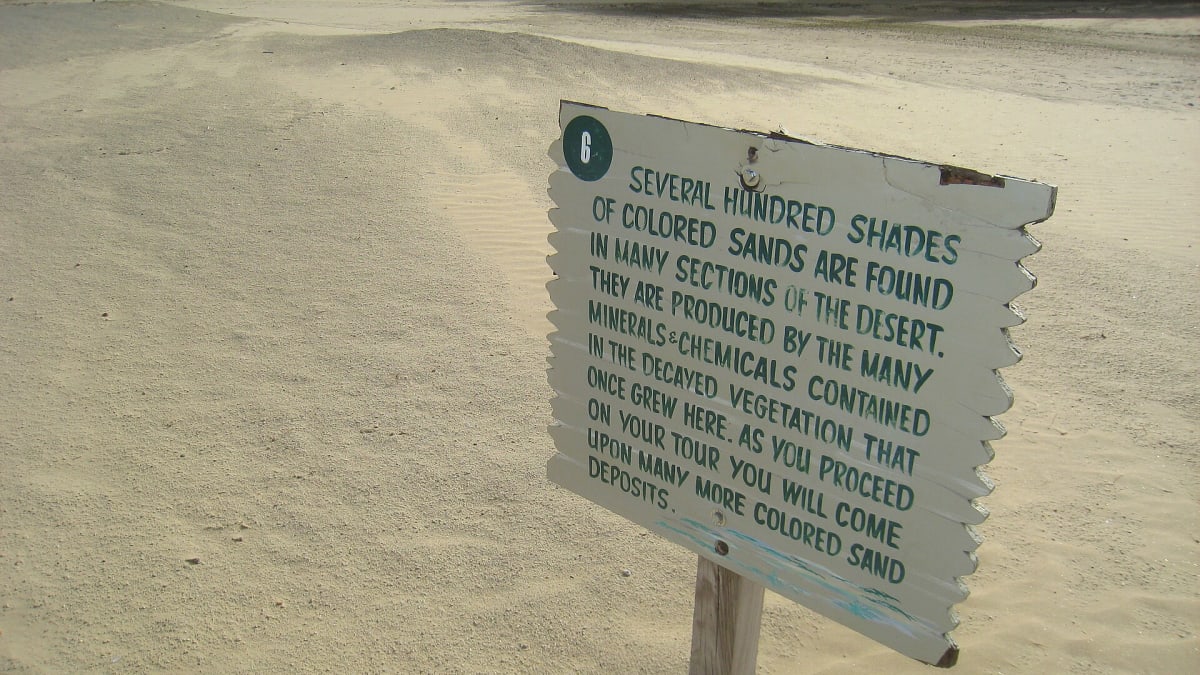
The twist is that it is not a natural desert at all. The sand is glacial silt, ground fine by the ice ages and left buried under a thin skin of topsoil. When generations of farming stripped that topsoil away, the silt beneath was exposed and began to spread, eventually swallowing an entire farm. The Desert of Maine is really a monument to erosion, turned into a lesson and a landmark.
What Travelers Love
- The genuinely strange sight of sand dunes in the middle of the Maine woods
- The story of a farm literally buried by its own eroded soil
- A restored 1930s barn and the tram tour explaining how it happened
- A quirky, old-fashioned roadside stop unlike anything else in New England
Worth Knowing
- It is not a true desert; the sand is fine glacial silt, and the site gets plenty of rain
- The property has been revived in recent years with trails, a cafe, and family activities
- It is a seasonal attraction, generally open in the warmer months
- Pair it easily with L.L.Bean and the shops in nearby Freeport
Learn about Desert of Maine
How a farm became a desert
In the 1790s the Tuttle family cleared this land and began farming it. Over the following century, intensive farming, overgrazing by sheep, and a failure to rotate crops or protect the soil steadily wore away the thin layer of topsoil.
Beneath that topsoil lay a deep bed of glacial silt, sediment left behind when the great ice sheets melted thousands of years ago. Once the protective soil was gone, the silt was exposed and began to blow and spread, burying fields, fences, and eventually farm buildings.
What had been productive farmland turned into a growing patch of bare sand. It is a textbook example of soil exhaustion and erosion, the same kind of process that produced the Dust Bowl on a far larger scale.
The roadside attraction
In 1925 a man named Henry Goldrup bought the property and, recognizing its strangeness as an asset, opened it to the public as the Desert of Maine. It became one of the country's early roadside tourist attractions in the age of the automobile.
For generations visitors came to marvel at the dunes, ride a tram around the site, and hear the story of the buried farm. A signpost tradition, spring water, and the sight of old farm equipment half-swallowed by sand added to the appeal.
In recent years new owners have revived and expanded the site, adding walking trails, a cafe, a butterfly house, mini golf, and camping, while keeping the historic barn and the core oddity that made it famous.
The science under your feet
The sand here is properly called glacial silt or rock flour, extremely fine particles produced when glaciers grind bedrock to powder. When the ice retreated, this material settled in thick beds across parts of Maine.
Because the grains are so fine and uniform, the exposed silt behaves like desert sand, forming dunes and ripples, even though the climate here is cool and wet, not arid.
The site is a living demonstration of how quickly land can change when its topsoil is lost, a small, strange classroom on erosion, soil, and the deep marks the ice ages left on Maine.
Season by season
Summer is the main season, when the attraction is fully open and the pale dunes shimmer against the surrounding green forest.
Early fall keeps the site open with cooler air and thinner crowds, a pleasant time to walk the trails and take in the contrast of sand and turning leaves.
The Desert closes for the cold months, so it is best planned as a warm-weather stop, easily combined with a shopping trip to nearby Freeport.
Closest Boutels
The closest Boutel™ stays, so you can turn this stop into an overnight. Each is a place we chose through independent editorial review, never a paid placement.
Details
Freeport, ME
Frequently asked questions
What is the Desert of Maine?
The Desert of Maine, in the town of Freeport in southern Maine, is a fascinating and quirky attraction: an expanse of exposed glacial sand that looks surprisingly like a desert amid the surrounding Maine forest. The sand, deposited by glaciers long ago and later exposed by over-farming that stripped the topsoil, spread to bury a former farm, creating dunes of fine, rippling sand. Now a popular attraction, the Desert of Maine offers tours explaining its unusual geologic and human history, along with trails, exhibits, and family activities. With its surprising sand dunes and curious history, the Desert of Maine offers a delightful destination in Maine.
Is the Desert of Maine a real desert?
The Desert of Maine is not a true desert in the climatic sense, as the region gets plenty of rain, but rather an expanse of glacial sand, deposited by ancient glaciers and later exposed and spread when over-farming stripped away the protective topsoil, allowing the sand to bury a former farm and create desert-like dunes. So while it looks strikingly like a desert with its rippling sand, it is really a fascinating example of glacial geology and the consequences of soil erosion. This unusual story of how the sand came to be is central to the appeal of the Desert of Maine in Freeport.
What can you do at the Desert of Maine?
You can take a guided tour, often by tram, to learn the geologic and human history of how the glacial sand was exposed and buried a farm, walk the trails and dunes, see the sand and exhibits, enjoy family activities like a gemstone hunt and nature trails, and explore the visitor areas. The tour explaining the curious history and the surprising dunes are the highlights, fun and educational for families. With its guided tours, sand dunes, and family activities, the Desert of Maine offers an enjoyable and quirky experience in Freeport, Maine.
When is the best time to visit the Desert of Maine?
The Desert of Maine is a seasonal attraction, typically open in the warmer months from around late spring through early fall, so those are the times to visit, with summer the peak season and pleasant weather for the outdoor tours and trails. Because it is largely outdoors, dress for the weather and bring sun protection, as the open sand can be warm and bright. Checking current hours and tour times before you go is wise. For the fullest experience with pleasant weather, aim for late spring through early fall at the Desert of Maine in Freeport, Maine.
What is near the Desert of Maine?
The Desert of Maine is in Freeport in southern Maine, a town famous for its shopping and outlets, within reach of Wolfe's Neck Woods State Park, Portland with its attractions, Sebago Lake State Park, and the southern Maine coast. That makes the Desert of Maine a fun stop to combine with Wolfe's Neck Woods State Park, Freeport, Portland, and the other attractions of southern Maine on a visit to the state.
Nearby
Eartha, the World's Largest Rotating Globe
3.5 miles away
Just off the interstate in Yarmouth, behind a glass wall you can see from the highway, a planet slowly turns.

Wolfe's Neck Woods State Park
4.3 miles away
Wolfe's Neck packs a lot of coastal Maine into an easy walk. The shore trail runs along Casco Bay through pine and hemlock woods, past rocky ledges, salt marsh, and the tidal estuary of the Harraseeke...
Peaks Island by Ferry
14 miles away
For kids, the ferry ride out to Peaks Island is half the adventure, a 17-minute crossing of Casco Bay with the Portland skyline shrinking behind you.
Umbrella Cover Museum
14 miles away
Most people who ride the ferry to Peaks Island never learn this is here.
Bug Light Park
14 miles away
For a quick, wide-open harbor view with a jewel-box lighthouse in the frame, stop at Bug Light Park in South Portland.

Portland Head Light at Fort Williams Park
16 miles away
Fort Williams Park gives families a full day wrapped around the state's most famous lighthouse.