
Crane Trust Nature and Visitor Center
10494-10704 Co Rd 34, Wood River, NE
Wood River, NE
The heart of one of the planet's great wildlife spectacles, where a river fills each spring with the calls of hundreds of thousands of sandhill cranes.
Each spring, along a stretch of the Platte River in central Nebraska, one of the great wildlife spectacles on the planet unfolds. Hundreds of thousands of sandhill cranes, the vast majority of the entire species, funnel down onto this narrow band of river to rest and feed before continuing north to their breeding grounds. For a few weeks the sky fills with their bugling calls and the sandbars turn gray with roosting birds.
The Crane Trust exists to protect this gathering and the river that makes it possible. Its nature and visitor center offers exhibits, trails, restored prairie, and, most memorably, blinds along the river where you can watch the cranes lift off at dawn or settle in at dusk in enormous, wheeling flocks, a sound and sight that people travel across the world to experience.
What Travelers Love
- Watching hundreds of thousands of sandhill cranes gather on the Platte each spring
- River blinds that put you close to the roosting birds at dawn and dusk
- Restored tallgrass prairie roamed by a herd of bison
- Trails and exhibits that explain the migration and the river
Worth Knowing
- The great crane migration peaks for a few weeks in early spring, so time a visit carefully
- Guided blind tours book up fast during migration and should be reserved ahead
- Cranes are wary, so keep quiet and stay in designated viewing areas
- Outside migration season the prairie, bison, and trails still reward a visit
Learn about Crane Trust Nature and Visitor Center
The great crane migration
Sandhill cranes are tall, gray birds with a red crown and a loud, rolling call, and each spring they migrate north from wintering grounds in the south toward nesting areas in the far north. On that long journey, an overwhelming share of the world's population converges on a single narrow reach of the Platte River in central Nebraska, drawn by shallow water and open sandbars for safe roosting and by nearby fields for feeding.
For a few weeks in early spring the concentration is staggering. The cranes fatten on waste grain and marsh foods by day, then pour back to the river at dusk in great gray rivers of birds, roosting on the sandbars overnight to stay safe from predators. At first light they rise again in a deafening chorus, a rhythm that has repeated on this river for a very long time.
The river that makes it possible
The reason the cranes gather here is the Platte itself, a wide, shallow, braided river that spreads across many channels and sandbars. That shallow, open character is exactly what roosting cranes need, water deep enough to keep predators away but shallow enough to stand in, with clear sightlines and no hiding cover along the banks.
Much of the Platte's channel has narrowed and grown over as the river's flow has been altered, which is why organizations like the Crane Trust work to keep this stretch wide and open. By clearing encroaching trees and managing the channel and the surrounding meadows, they preserve the habitat that the migration depends on.
Prairie, bison, and the whole ecosystem
The Crane Trust protects more than the river. Its lands include restored tallgrass and wet-meadow prairie, the kind of grassland that once covered much of this valley, now grazed by a resident herd of bison that helps keep the prairie healthy the way the great wild herds once did.
Trails wind through this restored country, and the visitor center's exhibits explain how the cranes, the river, the prairie, and the wildlife fit together. Whooping cranes, one of the rarest birds in the world, also pass through the region on migration, adding to the sense that this valley is a crossroads for some of North America's most remarkable birds.
Season by season
Early spring is the headline season, when the sandhill crane migration peaks and the river and sky fill with birds. This is the busiest and most sought-after time to visit, and the blind tours are the way to see it up close.
Summer and fall bring the prairie into its own, with wildflowers, grasses, birds, and the bison herd, and quieter trails for those who miss the migration. Winter is cold and still on the Platte, a time to appreciate the river's bare bones before the cranes return with the coming spring.
Closest Boutels
The closest Boutel™ stays, so you can turn this stop into an overnight. Each is a place we chose through independent editorial review, never a paid placement.
Prairie Lodge Motel
Honorable Mention1219 Old US Highway 56, Council Grove, KS
183 miles away|Learn More ›
Details
Wood River, NE
Frequently asked questions
What is the Crane Trust Nature and Visitor Center?
The Crane Trust Nature and Visitor Center, along the Platte River near Grand Island in central Nebraska, is a nature center and conservation organization dedicated to protecting the Platte River habitat and its world-famous sandhill crane migration. Each spring, hundreds of thousands of sandhill cranes gather along this stretch of the Platte in one of the greatest wildlife spectacles in North America, and the Crane Trust protects their habitat and helps visitors experience it through exhibits, trails, a herd of bison, and guided viewing during the migration. It is a premier place to witness the cranes. A remarkable window into an extraordinary natural event, it awes visitors. With its cranes and prairie, the Crane Trust offers a spectacular destination in Nebraska.
What is the sandhill crane migration on the Platte River?
The sandhill crane migration on the Platte River is one of the greatest wildlife spectacles in North America, when each spring hundreds of thousands of sandhill cranes stop along a stretch of the Platte in central Nebraska to rest and feed during their long journey north. The cranes gather in immense numbers, roosting on the river at night and feeding in the fields by day, filling the sky and the prairie with their calls. The Crane Trust protects this vital habitat and helps visitors witness the event. Experiencing this migration is unforgettable at the Crane Trust Nature and Visitor Center in Nebraska.
When is the best time to see the cranes at the Crane Trust?
The sandhill crane migration peaks in early spring, and this window is the time to witness the extraordinary gathering of cranes along the Platte, with viewing blinds and guided experiences offered during the season. Because the migration is seasonal and the exact timing shifts a bit each year, and popular guided viewings can fill up, checking the current timing and reserving ahead before you go are important. Outside the migration, the center's trails, bison, and exhibits welcome visitors. For the crane spectacle, plan an early-spring visit and reserve ahead at the Crane Trust in Nebraska.
What can you do at the Crane Trust year-round?
Beyond the spring crane migration, you can explore the visitor center's exhibits, walk prairie and river trails, see the resident herd of bison on the restored prairie, and learn about the Platte River ecosystem and conservation. The exhibits, the prairie trails, the bison herd, and the river habitat are the draws in any season, while the crane migration is the springtime highlight. The restored prairie and bison offer year-round appeal. With its habitat and wildlife, the Crane Trust offers a rewarding experience in Nebraska.
What is near the Crane Trust Nature and Visitor Center?
The Crane Trust Nature and Visitor Center is along the Platte River near Grand Island in central Nebraska, within reach of the Stuhr Museum in Grand Island, The Archway and Fort Kearny near Kearney to the west, and the Platte River valley. That makes the Crane Trust a spectacular stop to combine with the Stuhr Museum, Fort Kearny, and the other attractions of central Nebraska on a visit to the state.
Nearby
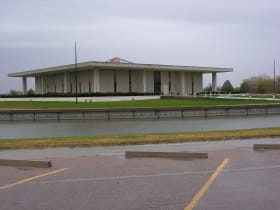
Stuhr Museum of the Prairie Pioneer
14 miles away
Stuhr Museum of the Prairie Pioneer: on the south edge of Grand Island off Highway 34/281. Admission charged.

The Archway
24 miles away
The Archway: at the east edge of Kearney, spanning Interstate 80 (exit 275). Admission charged.
Platte River and Fort Kearny State Historical Park
24 miles away
Fort Kearny State Historical Park: about 8 miles southeast of Kearney off Highway 50A. Nebraska state park permit required.