
Chloride Ghost Town
7 Santiago Rd, Winston, NM
Winston, NM
A silver-mining town at the foot of the Black Range, its old general store still stocked with the goods left behind when the boom ended, lovingly brought back from the brink.
Tucked at the mouth of a canyon in the rugged Black Range of southwestern New Mexico, the little town of Chloride sprang up in the 1880s when prospectors struck silver in the surrounding hills. For a brief, roaring decade it had stores, saloons, a newspaper, and a bustling main street, and then, when the price of silver collapsed, it emptied out and slowly faded toward oblivion.
What makes Chloride special is that it did not entirely disappear. In the twentieth century a family settled here and set about restoring the old town, and in the process reopened the Pioneer Store, which had been closed and boarded up for decades with its stock still on the shelves. Today the museum, the restored buildings, and the deep quiet make Chloride one of the most rewarding and best-cared-for ghost towns in the state.
What Travelers Love
- The Pioneer Store Museum, its shelves still stocked with goods from the town's mining days
- Restored and preserved buildings that tell the story of a silver boomtown
- The quiet, remote setting at the foot of the rugged Black Range
- A ghost town saved and cared for rather than left to crumble
Worth Knowing
- Chloride is reached by a paved but remote road off the highway near Winston, far from services
- It is a tiny place with limited hours, so it is wise to check before making the long drive
- Please respect that people live here and that the buildings are lovingly maintained; look but do not take
- The high country can be cold and snowy in winter and hot in summer, so plan for the season
Learn about Chloride Ghost Town
A silver boomtown
Chloride was born of a silver strike in the early 1880s, and like many mining towns of the era, it grew fast. Miners poured into the canyon, and the main street filled with stores, saloons, boarding houses, and a newspaper, all serving the men working the claims in the surrounding Black Range. For a time it was a lively frontier town on the edge of Apache country.
The boom did not last. When the United States moved off silver-backed money in the 1890s, the price of silver fell and the mines grew unprofitable, and Chloride, like countless other silver camps across the West, began to empty. Families drifted away, buildings were abandoned, and the town settled into a long decline, its main street growing quiet and its stores standing empty.
The Pioneer Store frozen in time
The heart of Chloride's story is its general store. When the town declined, the Pioneer Store was simply closed up and boarded shut, its shelves still stocked with hardware, dry goods, patent medicines, clothing, and all the everyday things a frontier town needed. It sat that way, sealed against the years, for decades.
When the store was finally reopened and restored, its contents were found remarkably intact, a snapshot of a mining town's daily life left exactly as it had been. Today the Pioneer Store Museum lets visitors walk among those shelves and see the real goods of the era, an unusually vivid and authentic window into the past, not a re-creation but the genuine article preserved.
A town brought back
Chloride's survival is owed to a family that moved to the near-empty town, fell in love with its history, and began the long work of restoring its buildings and researching its past. They reopened the store as a museum, restored other structures, and gathered records and artifacts, turning a fading ghost town into a small, living monument to New Mexico's mining era.
The result is a place that feels cared for rather than crumbling. Visitors can wander the quiet main street, see restored homes and shops, and learn the town's story from those who have devoted themselves to preserving it. Because people live here and maintain the buildings, Chloride asks for a respectful visit, looking and appreciating rather than treating it as an abandoned free-for-all.
The Black Range around it
Chloride sits at the edge of the Black Range, a rugged, forested mountain chain that forms the eastern rampart of the Gila country. The high, remote setting gives the town its quiet, and the surrounding hills, once combed for silver, now offer scenic back roads and access to the wild high country of southwestern New Mexico.
The drive out is part of the experience, a journey off the main highways into a corner of the state few travelers reach. Spring and fall bring the most comfortable weather, summer is warm with afternoon storms, and winter can be cold and snowy in the high country. Because Chloride is small and remote with limited hours, it is worth confirming before the long drive, then savoring the reward of a genuine, well-loved ghost town.
Closest Boutels
The closest Boutel™ stays, so you can turn this stop into an overnight. Each is a place we chose through independent editorial review, never a paid placement.
Details
Winston, NM
Frequently asked questions
What is the Chloride Ghost Town?
Chloride is a historic former silver-mining ghost town nestled in the Black Range mountains of southwestern New Mexico, near the town of Winston. Founded in the late nineteenth century during a silver boom, Chloride once had hundreds of residents and numerous businesses before the mines declined and the town faded. Today it survives as a tiny, atmospheric community with beautifully preserved and restored historic buildings, most notably the Pioneer Store Museum, filled with original goods and artifacts frozen in time. Peaceful, remote, and rich in Old West character, the Chloride ghost town offers a fascinating and authentic glimpse into New Mexico's mining past in a scenic mountain setting.
What can you see at the Chloride Ghost Town?
You can explore the preserved and restored historic buildings along the main street, most notably the remarkable Pioneer Store Museum, which is stocked with original merchandise, goods, and artifacts left from its mining-era days, offering a vivid time capsule of the past, along with other historic structures, a gallery, and interpretive information. Wandering the quiet town and imagining its boom years is part of the appeal. The atmospheric setting and authentic preservation make it special. With its historic buildings, the fascinating Pioneer Store Museum, and Old West atmosphere, the Chloride ghost town offers a memorable and authentic historical stop in southwestern New Mexico.
What is the Pioneer Store Museum at Chloride?
The Pioneer Store Museum is the centerpiece of the Chloride ghost town, a former general store that operated during the town's mining days and was later found with much of its original stock and fixtures still in place, having been boarded up for decades. Lovingly restored, it now displays the authentic goods, merchandise, tools, and artifacts of the era, creating a remarkable, genuine time capsule of frontier life. Walking through it feels like stepping back into the past. The museum's authenticity and the sense of frozen time make it a highlight of visiting Chloride and a treasure of New Mexico's mining history.
When is the best time to visit the Chloride Ghost Town?
Spring through fall offers the most pleasant weather for the drive into the Black Range and exploring the town, with the mountain setting especially lovely in the milder seasons and fall bringing color, while summer can be warm and winter cold with possible snow on the mountain roads. Because it is a small, remote place, checking the current hours of the Pioneer Store Museum and any open buildings before you go is wise. For the best combination of comfortable weather and open attractions, aim for the milder months from spring through fall at the Chloride ghost town.
What is near the Chloride Ghost Town?
The Chloride ghost town is near Winston in the Black Range mountains of southwestern New Mexico, within reach of the town of Truth or Consequences with its hot springs, Elephant Butte Lake, and the broader Gila and Black Range country, with Silver City to the southwest. That makes the Chloride ghost town a fascinating historical stop to combine with Truth or Consequences, Elephant Butte, and the other attractions of southwestern New Mexico on a visit to the state.
Nearby
Gila Hot Springs
36 miles away
The hot springs at Gila are not a resort amenity. They are rocks in a river with hot water seeping through them. You arrive, you park, you wade across, you soak.
Rockhound State Park
38 miles away
Most state parks tell you to leave everything where it lies. Rockhound does the opposite, and that is the whole reason to come.
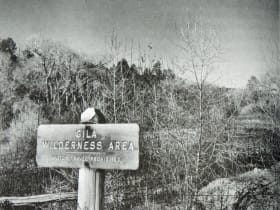
Gila Wilderness
43 miles away
The Gila supports one of the most intact riparian ecosystems in the Southwest, partly because it lacks a major dam on its upper reaches.