Biscayne Coral Reef
Coral Reef, Biscayne National Park, FL
Homestead, FL
Snorkel and dive a living reef of corals, sea fans, and tropical fish.
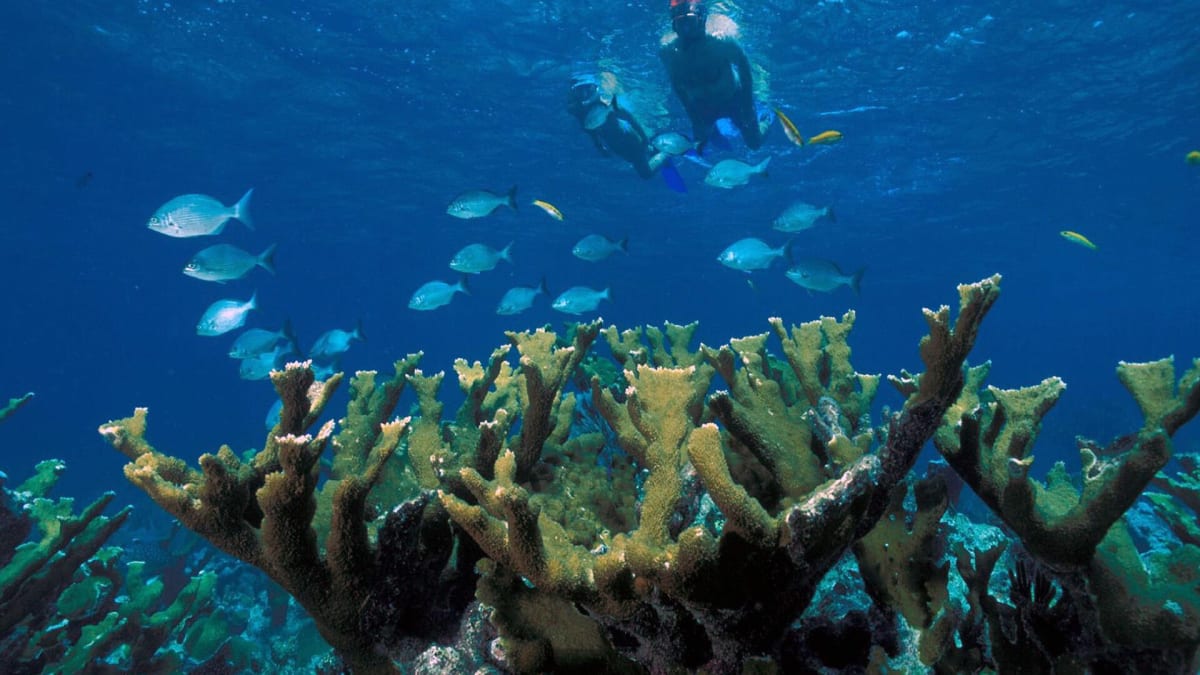
Biscayne National Park protects part of the third-largest coral reef system in the world, a living underwater realm of elkhorn and brain corals, waving sea fans, and darting tropical fish just offshore. Because roughly ninety-five percent of the park is underwater, the reef is truly its heart, and exploring it by snorkel or scuba is the essential Biscayne experience.
In the warm, clear, shallow water, snorkelers glide above a colorful world of coral heads, parrotfish, angelfish, sergeant majors, and sometimes sea turtles and rays, all part of a vibrant ecosystem. The reefs here are the northern reaches of the Florida Reef, a chain that stretches down the Keys, and they offer a window into one of the richest marine habitats in North America.
What Travelers Love
- Part of the third-largest coral reef in the world
- Snorkeling and diving over living coral
- Colorful tropical fish, sea fans, and sea turtles
- Warm, clear, shallow, sunlit water
Worth Knowing
- It is inside Biscayne National Park; most of the park is underwater
- Reached only by boat; guided tours are the easiest way
- Never touch or stand on the coral; it is fragile and alive
- Use reef-safe sunscreen and follow all park rules
Learn about Biscayne Coral Reef
A living underwater world
Coral reefs are built by tiny animals called coral polyps, which form hard skeletons that accumulate over centuries into the complex structures snorkelers see. Biscayne's reefs include branching elkhorn coral, rounded brain corals, and soft corals and sea fans that sway in the current, providing shelter and food for a huge variety of fish and other creatures.
Swimming over the reef, visitors encounter schools of colorful fish, spiny lobsters tucked in crevices, and, with luck, sea turtles or rays gliding by. The reef is a delicate, living ecosystem, sensitive to warming water, pollution, and physical damage, which is why it is protected and why visitors must treat it with great care.
Exploring the reef
Because the park is mostly water and the reefs lie offshore, reaching them requires a boat. Many visitors join guided snorkeling or diving tours, which provide gear, transportation, and knowledge of the best conditions and sites, the easiest and safest way to experience the reef. Experienced boaters and divers can also visit on their own.
To protect the fragile reef, it is essential never to touch, stand on, or collect coral, which is alive and easily damaged, and to maintain good buoyancy and distance while snorkeling or diving. Using reef-safe sunscreen, not feeding fish, and following all park rules help preserve this remarkable underwater world for the future.
Closest Boutels
The closest Boutel™ stays, so you can turn this stop into an overnight. Each is a place we chose through independent editorial review, never a paid placement.
Details
Homestead, FL
Frequently asked questions
What is the coral reef at Biscayne National Park?
The coral reef at Biscayne National Park is part of the Florida Reef, the third-largest coral reef system in the world, lying offshore in the eastern part of the park. Because roughly ninety-five percent of Biscayne is underwater, the reef is the heart of the park. It is a living underwater world of hard corals like elkhorn and brain coral, soft corals, and waving sea fans, home to colorful tropical fish, spiny lobsters, sea turtles, rays, and countless other creatures. Snorkelers and divers explore the warm, clear, shallow water above the reef, gliding through one of the richest marine habitats in North America. Exploring the reef by snorkel or scuba is the essential Biscayne experience and a window into a vibrant, fragile ecosystem worth protecting.
Can you snorkel or dive at Biscayne National Park?
Yes, snorkeling and diving are the signature activities at Biscayne National Park, since most of the park is underwater and the coral reefs are its main attraction. In the warm, clear water, snorkelers can glide above shallow reefs teeming with colorful fish and coral, while scuba divers can explore deeper reefs and sites. Because the reefs lie offshore and the park is reached by water, most visitors join guided snorkeling or diving tours, which provide equipment, boat transportation, and knowledge of conditions and good sites, making them the easiest and safest option, especially for those without their own boat. Experienced boaters and divers can also explore independently. Whatever your approach, always follow safety practices, check conditions, and treat the fragile reef with care by never touching or standing on the coral.
How do you protect the coral reef when visiting?
Protecting the coral reef is essential, because coral is a living, fragile animal that is easily damaged and slow to recover. The most important rule is to never touch, stand on, kick, or collect coral, even accidentally, since contact can kill the delicate polyps. Snorkelers and divers should maintain good buoyancy and keep a safe distance from the reef, being mindful of fins. Do not feed the fish, which disrupts the ecosystem, and do not take anything from the reef. Using reef-safe sunscreen, or covering up with rash guards instead, helps because some sunscreen chemicals harm coral. Follow all park regulations, use mooring buoys rather than anchoring on the reef if boating, and pack out all trash. By treating the reef gently and respectfully, visitors help ensure this remarkable underwater world survives for future generations.
Why is so much of Biscayne National Park underwater?
Biscayne National Park is roughly ninety-five percent water because it was created specifically to protect a marine environment: the shallow, biologically rich waters of Biscayne Bay, the mangrove shoreline, the string of islands, and the coral reefs offshore. Unlike parks centered on mountains or forests, Biscayne's treasures are largely below the surface, in its coral reefs and seagrass beds, and in the bay that serves as a nursery for marine life. The park was established in part to save this area from proposed development, including plans for industry and a causeway, that would have destroyed the reefs and bay. As a result, the park protects four connected ecosystems, the bay, the mangrove coast, the keys, and the coral reef, most of which are underwater, making boating, snorkeling, and diving the primary ways to experience it.
Nearby

Elliott Key
5.3 miles away
Elliott Key is the largest island in Biscayne National Park and the northernmost of the true Florida Keys, a green ridge of tropical hardwood forest fringed by mangroves.

Boca Chita Key
9.3 miles away
Boca Chita Key is a small island in Biscayne National Park, known for its ornamental stone lighthouse built in the 1930s by a wealthy owner, more decoration than a working navigation aid.

Biscayne Bay Mangroves
10 miles away
The mangrove shoreline of Biscayne Bay forms the green, tangled edge of Biscayne National Park along the mainland, a vital nursery for fish, birds, and other life.