

B and O Railroad Museum
916 W Pratt St, Baltimore, MD
Baltimore, MD
A magnificent roundhouse packed with historic locomotives, standing on the very ground where American railroading began.
The B and O Railroad Museum stands on hallowed ground for anyone who loves trains: the Baltimore and Ohio Railroad, chartered in 1827, was the first common-carrier railroad in America, and this campus in southwest Baltimore is where it all began. The museum preserves one of the oldest, largest, and most important collections of railroad artifacts in the world, and simply walking through it is a journey across the entire arc of American railroading.
The centerpiece is the museum's great roundhouse, a soaring twenty-two-sided brick building ringed with tracks that fan out from a central turntable, each holding a historic locomotive or car. Around it, the campus spreads across the historic Mount Clare shops, where much of the early work of building America's railroads was carried out. It is a place where the origins of an industry that reshaped a continent are made vivid and real.
What Travelers Love
- The vast circular roundhouse, a work of architecture in its own right, ringed with locomotives
- One of the oldest and most complete collections of railroad equipment in the world
- Riding a real train down a stretch of the nation's first commercial rail line
- The sheer scale of the machines, from tiny early engines to towering steam giants
Worth Knowing
- The historic train rides run on select days and seasons, so check the schedule if that is a draw
- The site is large and includes indoor and outdoor equipment, so allow a few hours
- It is a favorite with children, and there are hands-on and family-oriented exhibits
- Parking is available on site, a convenience in this part of the city
Learn about B and O Railroad Museum
The birthplace of American railroading
The Baltimore and Ohio Railroad was born of Baltimore's determination not to be left behind. In the 1820s, as canals threatened to funnel western trade toward rival ports, the city's merchants gambled on a new and largely untried technology, the railroad, to connect the port of Baltimore to the Ohio River and the growing West. The company was chartered in 1827, and the first stone was laid in 1828.
Those early years were full of experiment and improvisation. Cars were first pulled by horses, and inventor Peter Cooper built a small steam engine, the Tom Thumb, to prove that steam power could work on the line. From this ground the American railroad grew into the network that would knit the nation together, which is why the museum's location, on the site of the original shops and terminal, gives it a significance no later collection can match.
The roundhouse and the collection
The museum's roundhouse is one of the most striking industrial buildings in the country, a great circular hall with a soaring roof, built so that locomotives could be rolled onto a central turntable and rotated onto any of the many tracks radiating outward. Standing at its center, surrounded by gleaming engines under the vast ceiling, is one of the memorable sights in American museum-going.
The collection itself spans the whole history of railroading, from the earliest experimental engines and reproductions of the first cars to massive steam locomotives and modern diesels, along with cars, cabooses, and countless artifacts. Because the B and O saved so much of its own history over so long, the museum can tell the story of the railroad more completely than almost anywhere else.
Riding the first railroad
One of the museum's great draws is the chance to ride a real train down a stretch of the original Baltimore and Ohio main line, the very corridor where American railroading was born. On operating days, visitors board historic equipment for a trip along this storied route, feeling the rhythm and hearing the sounds that shaped nineteenth-century travel.
The rides run on a seasonal and special-event schedule rather than every day, so it is worth checking the calendar if the train experience is central to your visit. For families and railfans alike, actually rolling along the first commercial railroad in the country adds a dimension that no amount of static display can match.
A family day and the wider city
The museum is a longtime favorite with families. Alongside the grand machines, there are hands-on exhibits, model layouts, and programming aimed at younger visitors, and the sheer size and drama of the locomotives tend to captivate children who have never seen a steam engine up close. Plan for a few hours to take in both the indoor halls and the outdoor equipment in the rail yard.
The museum sits within easy reach of the rest of Baltimore. The Inner Harbor, with its aquarium, science center, and historic ships, is a short distance away, and the city's other neighborhoods and museums are close at hand. A morning among the locomotives pairs naturally with an afternoon on the waterfront.
Closest Boutels
The closest Boutel™ stays, so you can turn this stop into an overnight. Each is a place we chose through independent editorial review, never a paid placement.
Travelers Rest Motel
Honorable Mention3701 Old Philadelphia Pike, Intercourse, PA
59 miles away|Learn More ›
Details
Baltimore, MD
Frequently asked questions
What is the B&O Railroad Museum?
The B&O Railroad Museum in Baltimore is one of the largest and most significant railroad museums in the world, set on the site of the oldest railroad complex in America, dating to around 1829 and considered the birthplace of American railroading. It holds the largest collection of nineteenth-century locomotives in the country, along with countless railroad treasures, centered on a spectacular historic roundhouse. For train lovers and families alike, it is a must-see celebration of railroad history.
What can you see at the B&O Railroad Museum?
The centerpiece is the grand, functioning roundhouse, ringed with historic locomotives and passenger cars, where children can climb into some trains and pull levers. The collection spans nearly two centuries and includes a notable Civil War railroad exhibit, along with family-friendly interactive displays. Seasonal train rides, lasting about twenty minutes, are a popular add-on for a small fee, and the famous holiday Polar Express train is a beloved tradition, though it sells out fast.
What should I know before visiting the B&O Railroad Museum?
Plan on at least two hours to explore the roundhouse and grounds, and note that weekdays tend to be less crowded. The roundhouse and outdoor exhibits can get hot in summer, so bring water and dress accordingly. If you want a train ride, especially a seasonal one like the Polar Express, book well in advance, since popular departures sell out. Buying general admission tickets ahead of time can also save time at the entrance.
Is the B&O Railroad Museum good for families?
Very much so. Railroad enthusiasts of all ages love the historic collection, and young children are thrilled to climb aboard trains, pull levers, and ride the seasonal excursion train. The interactive exhibits and hands-on activities keep kids engaged, while adults appreciate the depth of history. It is consistently praised as a family-friendly destination, making it an easy, enjoyable outing for anyone who loves trains or wants a fun day out in Baltimore.
What is near the B&O Railroad Museum?
The museum is located just west of downtown Baltimore, within easy reach of the Inner Harbor and its attractions, including the National Aquarium and the Maryland Science Center, as well as the Camden Yards ballpark and the city's dining and neighborhoods. That central location makes it easy to combine the railroad museum with a broader day exploring Baltimore's waterfront and downtown attractions.
Nearby

Maryland Science Center
1.0 miles away
A reliable, all-weather win for curious kids right on the Inner Harbor.
National Aquarium
1.3 miles away
This is the Inner Harbor stop kids ask for. The National Aquarium on Pier 3 sends you up and then spiraling down around a giant ocean tank where sharks and rays glide past at eye level, through a real...
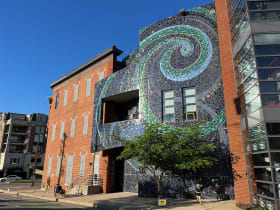
American Visionary Art Museum
1.4 miles away
Most first-time visitors head straight for the aquarium and miss the strangest, most moving museum in Baltimore.

Patapsco Valley State Park
8.2 miles away
Right at the edge of Baltimore, the Patapsco River has cut a surprisingly wild, wooded gorge, and this long ribbon park follows it for miles.