There is a difference between a place that is simply old and a place that has been carried carefully through the decades, and you feel it the moment you walk in. Historic inns and historic motels that earn their keep are not selling age as a gimmick. They are offering something a new build can never manufacture: real walls that have witnessed real years, floors worn smooth by a century of footsteps, and a story that belongs to the town as much as to the property.
Across the country these heritage stays take many forms. There are Victorian inns with wraparound porches, thick-walled adobes that have stood since before the railroad reached the desert, old stagecoach stops that once watered horses on the run between mining camps, and grand railroad hotels built to greet a train that no longer comes. Many sit on the National Register of Historic Places. All of them share a quality that travelers keep chasing long after the trip ends, which is the feeling of sleeping inside something true.
The pull of sleeping inside real history
A great historic stay does something a photograph cannot. It surrounds you. The transom windows above the doors, the pressed tin ceiling, the heart pine that only comes from trees that no longer exist at that size, the wavy old glass that bends the streetlight just slightly out of true. These are not decorations chosen from a catalog. They are the actual bones of the building, and your body registers the difference between the real thing and a reproduction long before your mind names it.
There is also the matter of company. When you stay in a historic hotel or a century-old inn, you join a long line of people who slept in that same room for reasons of their own. A drummer selling goods off a rail line. A honeymoon couple in 1911. A family driving the new highway west with everything they owned strapped to the roof. The past is not an abstraction in a place like that. It is the ceiling above your bed.
Authenticity and creaky are not the same thing, and the best historic stays feel like the past while working like the present.
That sense of continuity is exactly what draws road travelers to heritage stays in the first place. A modern room can be perfectly comfortable and still feel interchangeable, the same box in every city. A historic room is unrepeatable. It could not exist anywhere else, because the thing that made it was the place and the years, and neither of those can be shipped in.
The difference between old and well-cared-for historic
Old is easy. Any building can grow old by neglect, and plenty do. Well-cared-for historic is a discipline, a running argument between preservation and comfort that a good owner never stops having. The best historic motels and inns keep the details that matter and quietly fix the things that would otherwise ruin the night.
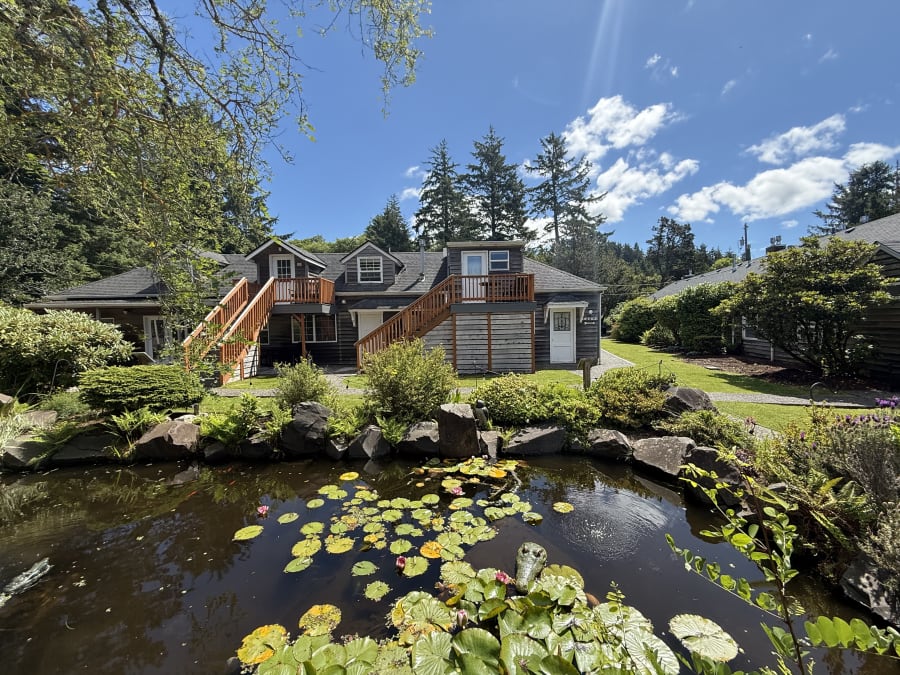
That means the original woodwork stays, the fireplace stays, the claw-foot tub and the transom and the porch all stay, but the plumbing works, the mattress is new, the wiring is up to code, and the heat comes on when you ask it to. Authenticity and creaky are not the same thing. A stay that leans on its age as an excuse for a bad night has missed the point entirely. The goal is a room that feels like 1890 and functions like the present, so the history is a gift and never a penalty.
You can usually tell within a few minutes which kind you are in. A cared-for historic property wears its age with confidence and clean lines. The floors gleam, the linens are fresh, the quirks are charming rather than tiring. A neglected old building, by contrast, asks you to be a good sport about things a paying guest should never have to endure. The story is only worth telling if the stay beneath it is genuinely good.
Where heritage stays gather, and what to expect
Historic inns and historic hotels tend to cluster wherever America built early and built well. New England is thick with Colonial and Victorian inns, white clapboard and black shutters on greens that predate the country. The Southeast holds antebellum townhouses and railroad hotels in old cotton and river towns. The Gold Rush and mining country of California and the Rockies preserved whole streets of the 1850s and 1860s, saloons and stage stops and boarding houses that outlived the boom that built them. And the Southwest keeps its adobe towns, thick-walled and cool, where some buildings have sheltered travelers since before English was the common tongue on that street.
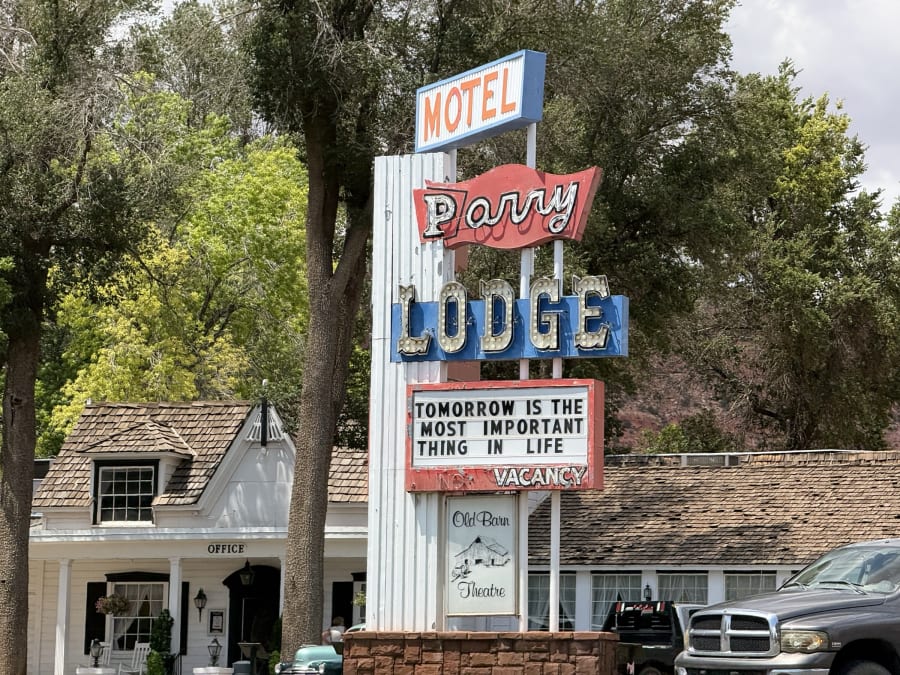
What ties these places together, more than architecture, is character over uniformity. No two rooms in a genuine historic property are quite alike. Ceilings pitch at different angles, windows land in unexpected spots, a staircase turns where you did not expect it to. Some rooms will have quirks, a step down where you look for level ground, a bathroom tucked in under a slope. This is the trade you make, and travelers who love heritage stays make it gladly, because uniformity was never what they came for.
So set your expectations correctly and you will rarely be disappointed. Expect a sense of place you cannot fake, a real story behind the front desk, and staff who usually know it and love to tell it. Expect the building to have opinions, and to reward you for meeting it on its own terms. The reward for a little flexibility is a night you will still be describing years later, which is more than most rooms can promise.
How the best of them are chosen
Age alone is never enough to make a list like this. Every stay here is vetted the same way, weighed for authentic original detail kept intact, a real and verifiable story, sensitive updates that make the room comfortable rather than merely old, and that unmistakable sense of place that a new building cannot buy or borrow. A building on the National Register earns a closer look, but the room still has to deliver the night.
The Elite Boutels featured in the sidebar are the best of this group, the historic stays that clear every bar and then some. They are the ones where the preservation is honest, the comfort is real, and the story is worth the drive on its own. If you only have one historic night to spend on a route, start there and let the rest of the guide fill in the map around it.
Questions about historic motels & inns
What makes a historic motel or inn worth staying in rather than just old?
The best heritage stays keep the details that give a building its soul, the original woodwork, the fireplaces, the wavy glass, the porches, while quietly modernizing the plumbing, wiring, and mattresses so the night is genuinely comfortable. Old by neglect is a bad stay wearing a costume. Well-cared-for historic is a room that feels like another century and functions like the present, and that combination is what earns a place a spot here.
Where are historic inns and hotels most common in the United States?
They cluster where America built early and preserved well. New England has its Colonial and Victorian inns, the Southeast keeps antebellum townhouses and old railroad hotels, the Gold Rush and mining towns of California and the Rockies saved whole 1850s and 1860s streetscapes, and the Southwest holds its thick-walled adobe towns, some of which have sheltered travelers for centuries. Nearly every region has heritage stays, but those areas have the deepest concentration.
Should I expect drawbacks when I book a historic stay?
Expect character rather than uniformity. Rooms in a genuine historic property vary in size, shape, and layout, and some carry small quirks like a step down or a bathroom tucked under a slope. A well-run heritage stay makes those quirks charming rather than frustrating, and pairs them with fresh linens, real comfort, and a story worth hearing. Travelers who love these places make that trade gladly, because sameness was never what they came for.